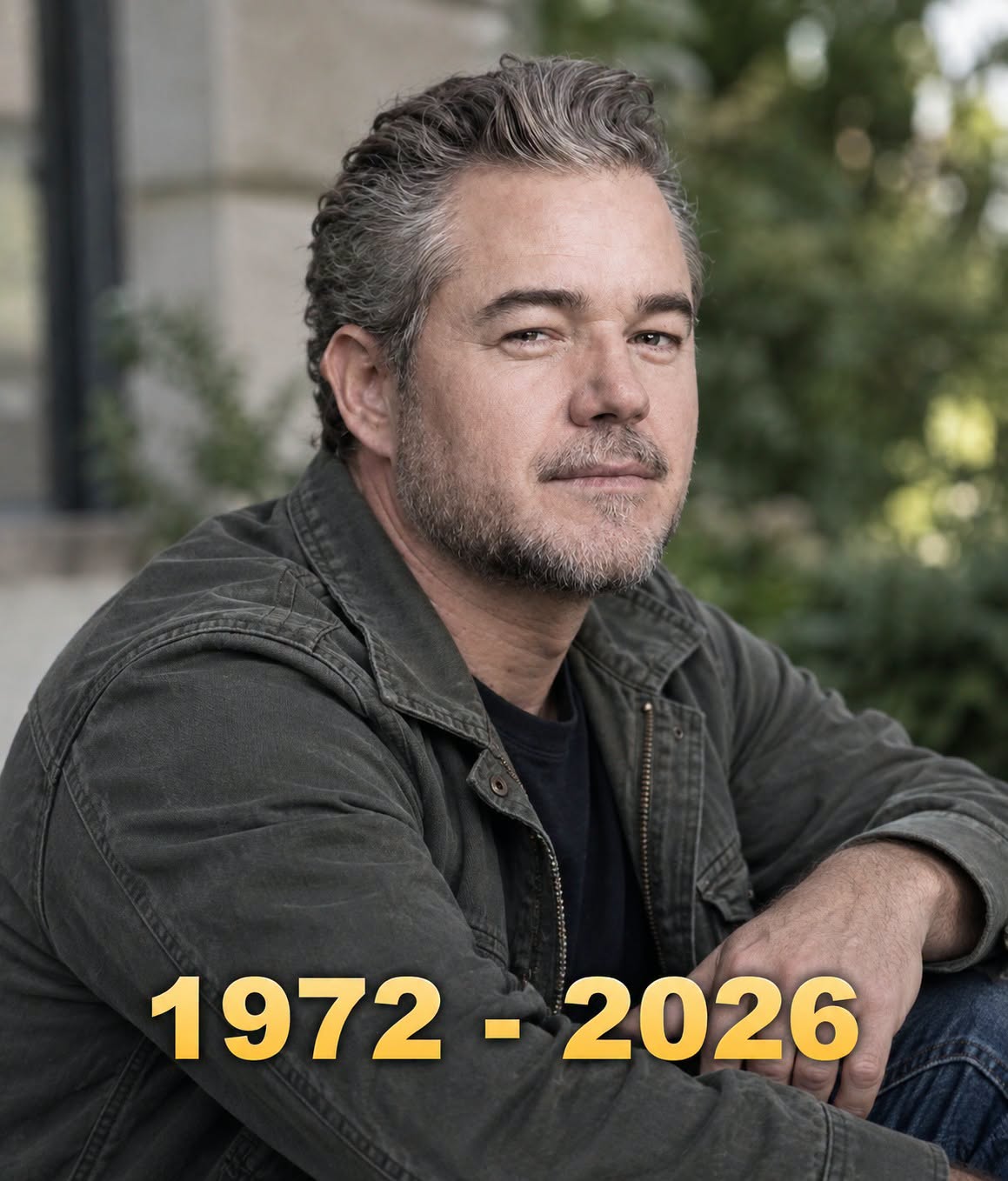
Eric Dane died on February 19, 2026, following a battle with amyotrophic lateral sclerosis, according to confirmation from his family. He was 53. For many viewers, his name will forever be connected with Dr. Mark Sloan, the charismatic plastic surgeon he portrayed on Grey’s Anatomy. The character’s charm, confidence, and memorable “McSteamy” nickname became an important part of the show’s identity and helped make Dane a familiar face to television audiences around the world.
But Dane’s career extended well beyond that one iconic role. His later portrayal of Cal Jacobs on Euphoria offered a striking contrast to the character that had first made him widely recognizable. Instead of the confident and flirtatious surgeon audiences associated with him, Dane took on a darker and more complicated role, demonstrating a different dimension of his acting range.
Those two performances represent distinct chapters in a career that reached across different generations of television viewers. One introduced him to audiences through a long-running medical drama, while the other placed him in a much more contemporary and psychologically complicated series. Together, they showed how an actor could become strongly associated with one character while continuing to explore very different kinds of performances.
Yet the news of his death inevitably shifts attention away from the fictional people he portrayed and back toward the person behind them. For viewers who spent years watching him on screen, his performances can make the loss feel strangely personal. Familiar characters remain available through reruns and streaming, but the actor who gave those characters their presence is no longer there to create something new.
ALS, or amyotrophic lateral sclerosis, is a progressive neurological disease that affects nerve cells responsible for controlling voluntary muscles. Its inclusion in accounts of Dane’s final years provides a sobering context for the illness he was facing and helps explain why his death represents not only the loss of a performer but the end of a deeply personal battle.
For those who knew him personally, the loss carries a meaning that audiences can never fully know. For audiences, however, his work provides a lasting record of the career he built. Dr. Mark Sloan remains preserved in one of television’s most recognizable medical dramas, while Cal Jacobs remains part of a very different and more challenging chapter of his screen legacy.
Returning to those performances after his death may feel different. Scenes that once seemed simply entertaining or dramatic can take on another emotional weight when viewers know that the person performing them is gone. Yet that is also part of the unusual permanence of acting: a performer can continue appearing on screen long after their final day.
Eric Dane’s legacy therefore exists in the characters he created, the stories he helped tell, and the memories audiences formed while watching him. His death at 53 ended a life and career that still had much more to give, but the work he left behind ensures that his presence will continue to be felt whenever viewers return to the performances that made him familiar.