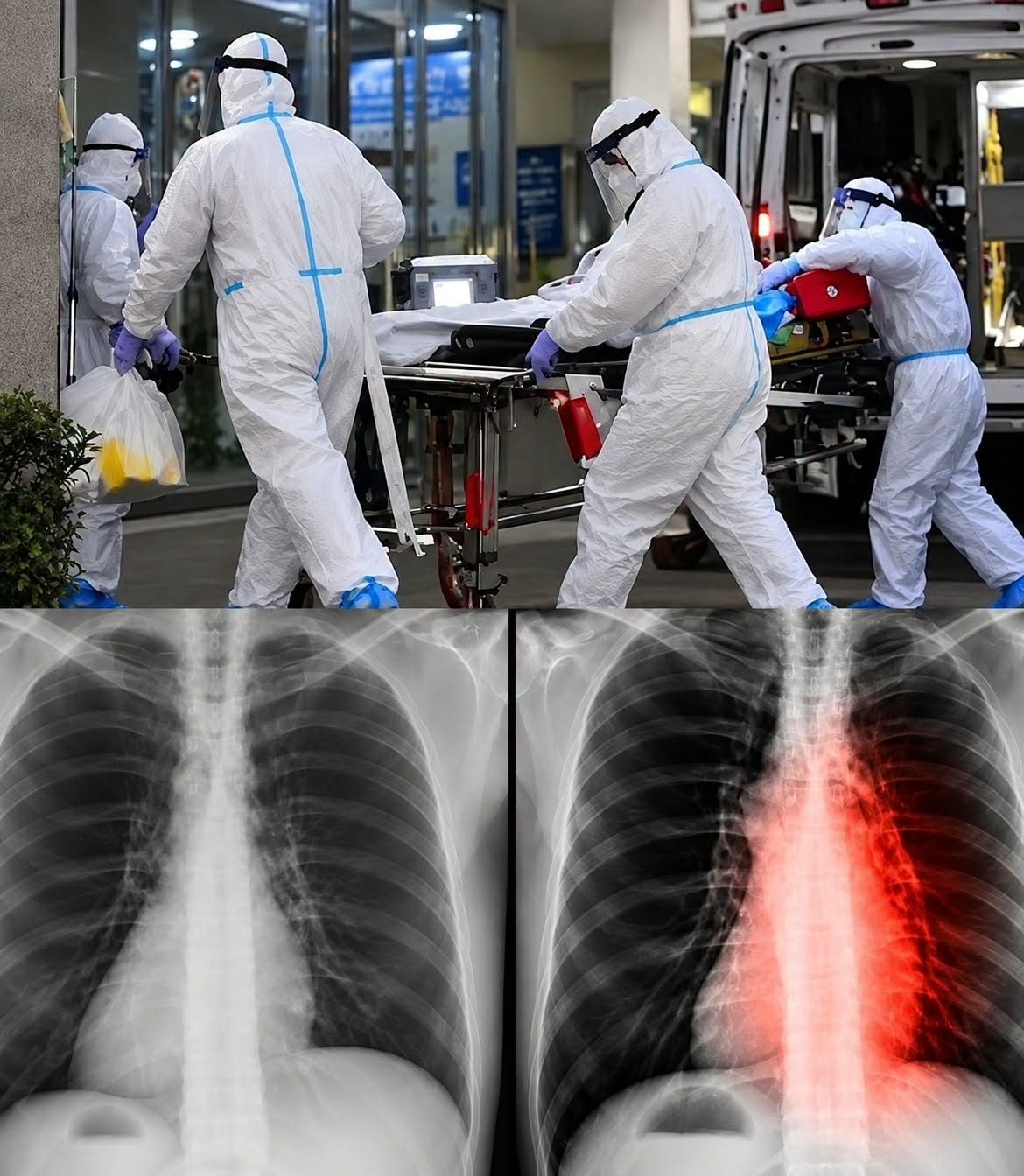
Myocarditis, or inflammation of the heart muscle, is a recognized rare adverse event that can occur after some COVID-19 vaccines, particularly following mRNA vaccination in adolescent and young adult males. Researchers have continued studying why this complication appears to affect certain people more than others and what biological mechanisms may be involved.
Scientists are examining immune responses and other biological signals that could help explain why myocarditis develops in a small number of vaccinated individuals. Identifying a particular pathway could eventually contribute to better prevention, diagnosis, or treatment. However, a laboratory finding or proposed biological mechanism does not by itself establish how frequently a complication occurs, prove that a specific mechanism is responsible in every case, or allow researchers to predict exactly who will develop myocarditis.
That distinction is important when interpreting reports about new research. A promising scientific finding can help explain what may be happening inside the body, but it does not automatically translate into a conclusion about the overall safety or risk of vaccination. The supplied account does not identify a specific study that would justify making stronger claims about frequency, individual risk, or long-term outcomes.
For people who do develop myocarditis after vaccination, outcomes can vary. Many affected patients improve with appropriate medical care and monitoring, while some may require longer follow-up to assess how completely the heart recovers. Because the condition involves the heart muscle, symptoms should not simply be ignored or attributed to a temporary reaction without evaluation.
Chest pain, shortness of breath, unusual exercise intolerance, or a racing or irregular heartbeat can warrant prompt medical assessment, particularly when symptoms are new or significant. A healthcare professional can determine whether further testing is appropriate and distinguish myocarditis from other conditions that can produce similar symptoms.
The broader comparison also matters. COVID-19 infection itself can cause cardiovascular complications, including inflammation involving the heart, so evaluating risks requires looking at both vaccination and infection rather than considering either in isolation. The balance of risks can differ according to age, sex, previous health conditions, history of infection, vaccine product, and dose or timing.
This is why individual circumstances matter when making medical decisions. Population-level findings can describe general patterns, but they cannot determine exactly what will happen to a particular person. Someone with specific health concerns, a previous cardiac condition, or questions about an upcoming vaccination should discuss those circumstances with an appropriate healthcare professional and rely on current public-health and medical guidance.
The responsible takeaway is neither panic nor dismissal. A rare adverse event should be acknowledged honestly and investigated carefully, while its rarity and the broader context should also be considered. Scientific understanding can change as new evidence becomes available, and responsible decisions depend on weighing the known benefits and risks rather than allowing either fear or reassurance to replace evidence.
In the end, the goal of continued research is not to create certainty where none exists, but to improve understanding. Better knowledge of why myocarditis occurs in a small number of people could eventually make vaccination safer and medical care more precise. Until then, the most useful approach is to recognize the rare risk, pay attention to concerning symptoms, seek appropriate medical evaluation, and make vaccination decisions using current evidence and individualized medical advice.