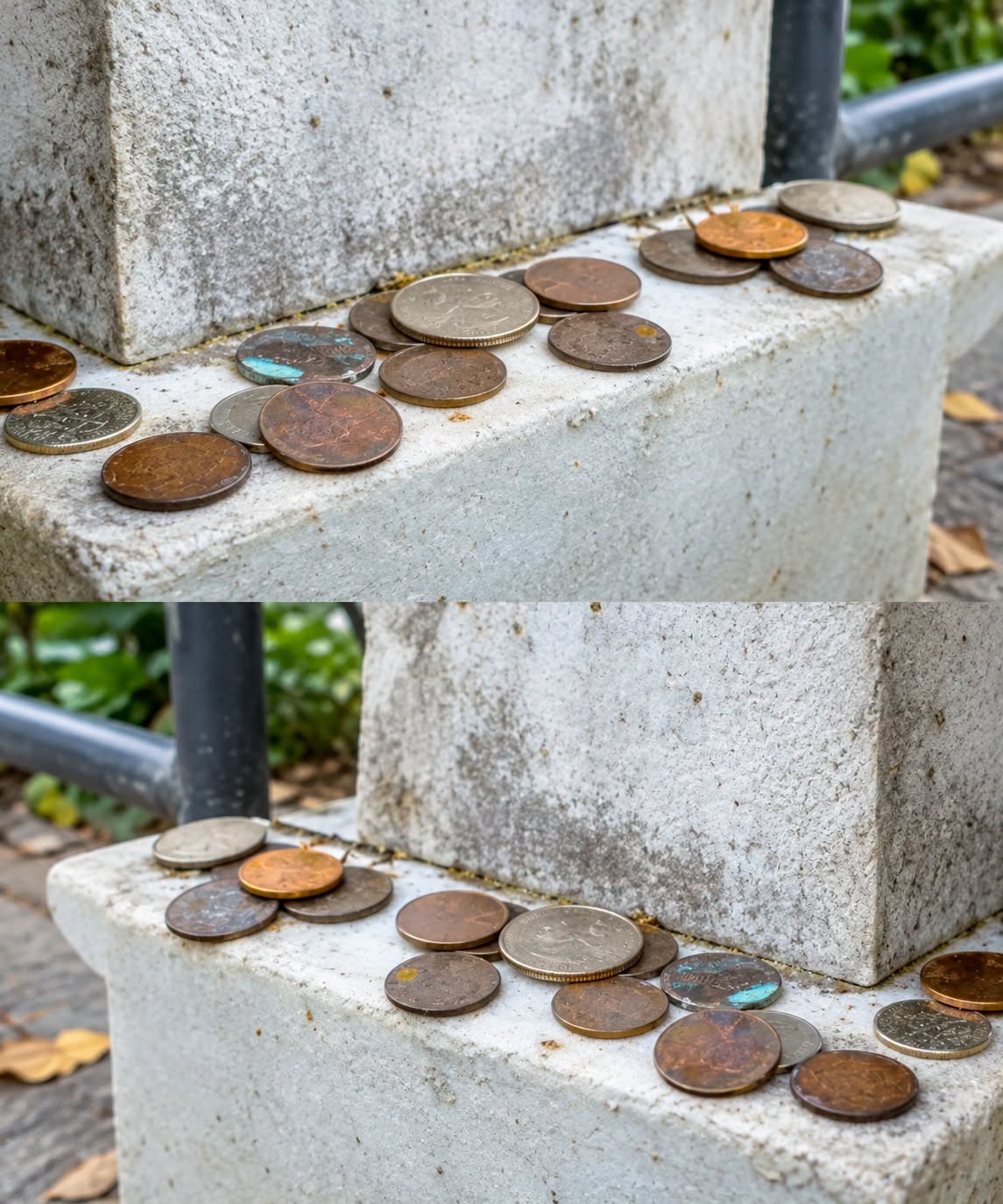
Coins left on military gravestones are a quiet gesture of remembrance, and a widely shared tradition gives each denomination a particular meaning. Though the practice can vary among families, veterans, and communities, the basic idea is simple: a small coin can communicate that someone stopped, remembered, and felt a connection to the person resting beneath the stone.
A penny traditionally says that someone visited the grave to pay their respects. It may be left by a stranger, a friend, a family member, or simply someone who wanted to acknowledge the service member’s sacrifice. A nickel carries a more personal connection, traditionally indicating that the visitor attended boot camp with the deceased. The shared experience of those early days in military service can create a bond that remains meaningful long after the years of training have passed.
A dime traditionally signifies that the visitor served with the deceased. That small coin can therefore represent a relationship formed through shared duties, difficult assignments, long days, and experiences that outsiders may never fully understand. The quarter carries an especially solemn meaning: traditionally, it indicates that the person leaving it was present when the service member died. Of all the customary meanings, this one carries perhaps the greatest emotional weight.
These meanings are customary rather than universal. Not every person who leaves a coin is following the tradition precisely, and practices can differ depending on the cemetery, military community, or individual. The coin should therefore not be treated as definitive evidence of a particular relationship. Its meaning ultimately comes from the person who leaves it and the memory they are carrying.
Still, the tradition offers a powerful way of making remembrance visible. A coin is small, inexpensive, and easy to overlook, yet its presence can represent a moment of genuine reflection. Someone came to the grave, stopped for a moment, and chose not to walk away without acknowledging the life and service represented by the headstone.
For loved ones, discovering such a tribute can bring unexpected comfort amid grief. The coin becomes evidence that the person they lost is remembered beyond the immediate circle of family and friends. Someone else knew them, served beside them, trained with them, witnessed their final moments, or simply felt grateful enough to pause and pay respects.
Whether left by a fellow veteran or a grateful stranger, the coin makes remembrance visible. It creates a quiet connection between the living and the person whose name is carved into the stone. There may be no note, photograph, or explanation—just a small piece of metal carrying a tradition understood by those familiar with it.
When you encounter one on a military gravestone, the respectful choice is to leave it undisturbed. Take a moment to reflect on the person being honored and on the relationships that may have brought someone else to that place. The gesture may be modest, but the sentiment behind it can be profound.
In a cemetery filled with names and dates, a single coin can quietly say what words sometimes cannot: this person mattered, this life was remembered, and someone took the time to come.