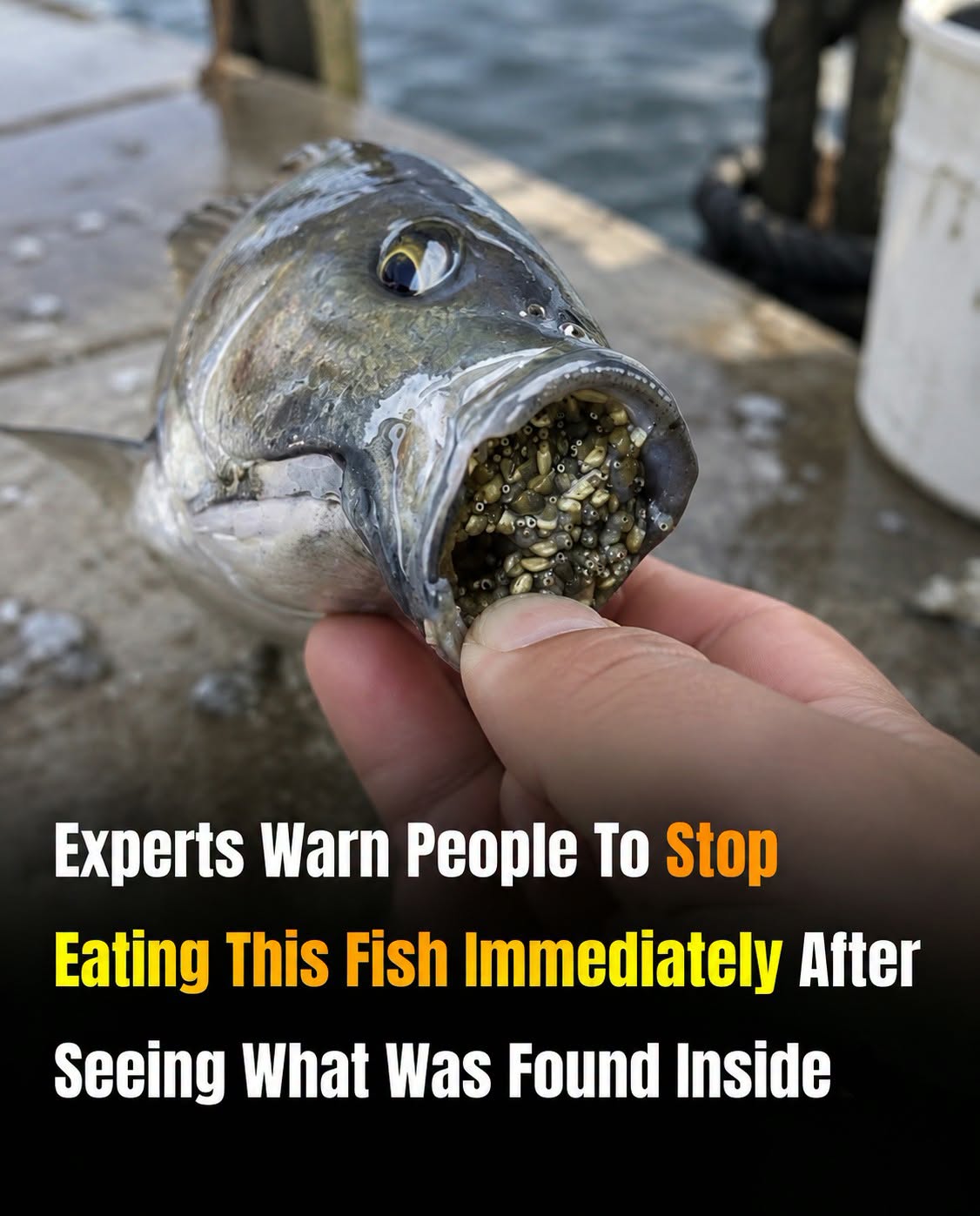
**The fish on your plate may not be what you think it is.** Tilapia built its global reputation on being cheap, mild, versatile, and endlessly convenient. For millions of families, it became an easy way to put a fillet on the table without paying the premium associated with salmon, tuna, or other popular seafood. But behind that soft white flesh, a surprisingly fierce debate continues to simmer.
Questions about farming conditions, feed quality, environmental practices, and nutritional value have followed tilapia as its popularity has exploded. Stories about overcrowded ponds, questionable feeding practices, and poor water quality have fueled suspicion, while others argue that these concerns are often exaggerated or unfairly applied to an entire species. Somewhere between those extremes lies a more complicated reality.
### Why Tilapia Became So Popular
Tilapia’s rise was driven by a simple combination: **affordability, speed, and mild flavor**.
Unlike fish with a strong ocean taste, tilapia has a relatively neutral flavor that absorbs seasonings, sauces, marinades, and spices easily. It can be baked, grilled, pan-fried, steamed, or added to tacos, rice bowls, salads, and countless other meals.
For families trying to eat more fish without spending a fortune, that versatility made tilapia an obvious choice. A frozen package could sit in the freezer for weeks, ready to become dinner with very little preparation.
And because tilapia grows relatively quickly and can be raised efficiently in aquaculture systems, producers have been able to supply enormous quantities to a global market hungry for inexpensive seafood.
That success, however, created another question:
**When a fish becomes cheap enough to eat every week, what exactly are you getting for that low price?**
### The Farming Question
The biggest controversy surrounding tilapia is not the fish itself. It is **how the fish is raised**.
Aquaculture is not automatically good or bad. Farming practices can vary dramatically depending on the country, producer, water system, stocking density, feed, sanitation procedures, and level of oversight.
A poorly managed operation can create serious concerns. Fish may be raised in conditions that place stress on the animals, water quality can become difficult to control, and waste can accumulate if systems are not properly managed.
But responsible aquaculture looks very different.
Well-managed farms can use controlled water systems, monitoring procedures, appropriate stocking levels, quality feed, disease-management practices, and strict food-safety standards. In those environments, farmed tilapia can be produced consistently and safely.
That distinction is often lost when every farmed tilapia product is treated as though it comes from the same conditions.
It doesn’t.
### What About the Feed?
Another source of controversy is what tilapia eats.
Because farmed fish do not necessarily obtain their nutrition in the same way wild fish do, their feed has a direct influence on their nutritional composition. The ingredients used in aquaculture feed can include grains, plant proteins, oils, and other formulated ingredients designed to help fish grow efficiently.
This sometimes leads to alarming claims that tilapia is “fed garbage” or that its diet somehow makes the fish toxic.
Those claims oversimplify the issue.
Feed quality matters, but the mere fact that a fish is farmed and consumes formulated feed does not make it dangerous. What matters is whether the feed meets appropriate nutritional and safety standards and whether the farm follows proper production practices.
The more meaningful question isn’t simply **“What did the fish eat?”**
It is **“Where did it come from, and how was it produced?”**
### The Nutritional Trade-Off
There is another reason tilapia deserves a more nuanced conversation.
Tilapia is a source of **lean protein**, making it useful for people looking for a relatively low-fat protein option. It also provides several vitamins and minerals and can be an easy way to incorporate seafood into a balanced diet.
But tilapia is not nutritionally interchangeable with every other fish.
One of the major differences is its relatively low amount of omega-3 fatty acids compared with oily fish such as salmon, sardines, mackerel, or trout. Those fish are particularly valued for their higher concentrations of EPA and DHA, the long-chain omega-3 fats associated with important aspects of cardiovascular and brain health.
That doesn’t make tilapia unhealthy.
It simply means that **tilapia has a different nutritional profile**.
Eating tilapia while assuming it provides the same omega-3 benefits as salmon would be misleading. But avoiding tilapia entirely because it contains less omega-3 would also be unnecessary for most people.
### So, Is Tilapia Dangerous?
The answer is much less dramatic than many viral warnings suggest.
**Tilapia is not inherently dangerous.**
The species itself is not some hidden health threat waiting to be discovered. As with many foods, safety and quality depend heavily on production, handling, storage, preparation, and sourcing.
The real concern is poor-quality production, not the mere existence of tilapia.
A responsibly produced fillet from a reputable supplier is a very different proposition from seafood coming from an operation with weak oversight and questionable hygiene practices.
That is why broad statements such as “never eat tilapia” are difficult to justify.
At the same time, treating every tilapia product as automatically perfect isn’t reasonable either.
### The Smarter Way to Eat It
Instead of asking whether tilapia is simply “good” or “bad,” a better approach is to ask three questions:
**Where did it come from?**
Choose products from reputable producers and suppliers whenever possible. Information about the country of origin and farming practices can provide useful clues about how the fish was produced.
**How often are you eating it?**
A varied diet generally offers more nutritional diversity than relying heavily on a single food. Tilapia can be one part of a seafood rotation rather than the only fish on the menu.
**What else are you eating?**
The overall meal matters. Tilapia paired with vegetables, whole grains, legumes, or other nutrient-rich foods can form a balanced meal. Rotating it with oily fish can also help provide a broader range of nutrients, including more omega-3 fatty acids.
The goal doesn’t have to be perfection.
### The Fish Isn’t the Villain
The internet loves simple warnings. A food is either a miracle or a poison. A product is either completely safe or secretly dangerous. But nutrition rarely works that way.
Tilapia is a perfect example.
It became popular because it solved a real problem: **how to make fish affordable, convenient, and approachable for ordinary families.** Its mild taste made it easy to prepare, while aquaculture made it possible to produce it at a scale that wild fisheries alone could not provide.
Those advantages are real.
So are the questions about farming practices and nutritional differences.
The sensible response is not panic. It is awareness.
Know where your seafood comes from. Pay attention to reputable sourcing. Understand that farmed fish can vary significantly in quality. And remember that one fish does not need to provide every nutritional benefit your diet requires.
**The real choice isn’t “eat tilapia or avoid it.” It’s “which tilapia, how often, and alongside what else?”**
Once the fear is stripped away, tilapia becomes what it has always been: an ordinary food with strengths, limitations, and a place in a varied diet.
**The smartest plate isn’t built around fear—it is built around balance, variety, and knowing what you’re actually eating.**