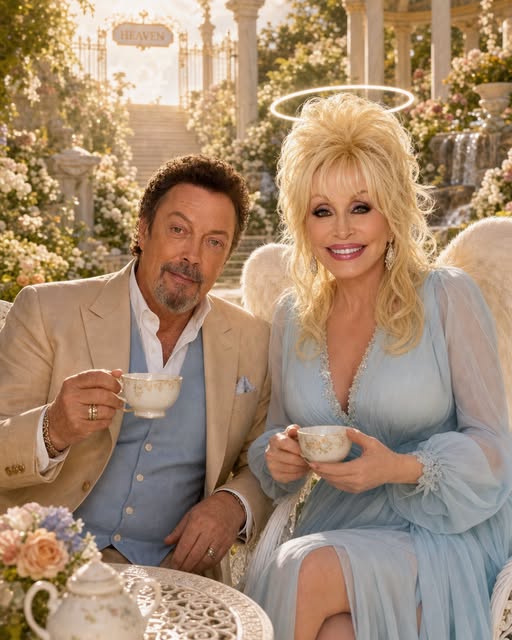
The headline hits like a punch: Tim Curry and Dolly Parton, dead on the same day, at the same age. Fans gasp, timelines explode, tributes pour in. It feels tragic, eerie, almost fated. But something is wrong. No networks break in, no families speak, no official word comes. The story spreads anyway, mutating, gathering millions of shaken eyes before anyone stops to ask the most important question: is it actually true? In the modern internet cycle, a shocking claim can travel around the world long before a single credible source has had the opportunity to confirm it.
Rumors like this thrive on shock, nostalgia, and the illusion of detail. Shared birth year, invented cause of death, a specific date, a nameless “manager” confirming the news—each piece is designed to feel just true enough that grief outruns skepticism. The more specific a false story sounds, the easier it can become to believe. A fabricated quote, a convincing photograph, or a carefully written paragraph can create the appearance of authority even when there is no verifiable source behind it.
But for public figures as famous as Tim Curry and Dolly Parton, a real death would never live only in screenshots and anonymous posts. It would be confirmed quickly by families, representatives, and major news organizations with clear, verifiable statements. A genuine announcement would leave a trail of evidence: official statements, reputable reporting, public records where appropriate, and confirmation from people or organizations with a real connection to the person involved.
That is what makes these rumors so effective. They imitate the structure of legitimate news without providing the foundation that makes news trustworthy. The headline looks professional. The wording sounds emotional. The details appear specific. There may even be a photograph attached. But none of those things prove the claim. They are simply elements that can make a story feel believable before anyone checks it.
Social media makes the problem even more difficult because repetition can create the illusion of confirmation. One account posts the rumor, another copies it, a third adds a new detail, and suddenly hundreds of posts appear to be saying the same thing. A person scrolling through the feed may assume that so many independent accounts could not possibly be wrong. But often they are not independent at all. They are repeating the same unverified claim from one original post.
The deeper harm isn’t just that people are misled; it’s that fans are yanked through real sorrow over something that never happened. Someone may genuinely cry, call a family member, or begin remembering a favorite song before discovering that the entire story was fabricated. That emotional whiplash erodes trust in genuine news when it finally arrives. If people repeatedly encounter false death reports, they may eventually hesitate even when a real tragedy is reported.
There is also a cruel irony in the way celebrity death hoaxes work. They often use genuine affection as fuel. Fans care deeply about artists who have been part of their lives for decades, so the emotional reaction is immediate. A beloved actor or singer can feel like an old friend, even when the relationship exists entirely through their work. A false announcement exploits that connection, turning admiration and nostalgia into clicks, shares, comments, and engagement.
Tim Curry and Dolly Parton are particularly recognizable names, which makes the combination itself powerful. Their careers span generations, and both have identities that audiences immediately recognize. Putting two famous figures into the same shocking headline creates an additional layer of disbelief and fascination. It feels like a strange coincidence, and that sense of coincidence can make people less likely to question the underlying claim.
But coincidence is not evidence.
Neither is a screenshot. Neither is a viral post. Neither is a comment claiming that someone “close to the family” confirmed something. Anonymous sources can sometimes be legitimate in journalism, but a random social-media account offering no identifiable evidence is not the same thing as accountable reporting. When a claim involves something as serious as a death, the standard for verification should become higher, not lower.
Honoring the legacies of artists we love means refusing to turn their lives into clickbait. Before you share, pause. Ask who is saying it, who can confirm it, and whether anyone truly accountable is attached to the claim. Search for confirmation from established news organizations and official representatives rather than relying on a chain of reposts. If credible sources are silent while only obscure accounts are reporting the story, that silence itself should make you cautious.
It is also worth remembering that being first is not the same as being right. Social platforms reward speed, reaction, and engagement. Accuracy often takes longer. A responsible source may wait for confirmation before publishing, while a rumor account can post immediately and gain thousands of views before anyone has checked the facts. By the time corrections appear, the false version may already have become the story many people remember.
That is why the most powerful tool available to ordinary readers is often the simplest one: stop.
Do not share immediately. Do not assume the number of reposts equals proof. Do not let the emotional force of a headline decide what you believe. Take a moment to look for a source that can actually be held accountable. If the claim is real, reliable confirmation will usually emerge. If it is false, your pause may prevent another person from experiencing the same unnecessary shock.
In a feed full of shocks, the most caring response is to demand the truth. Celebrity lives are already surrounded by enough speculation, rumors, and manufactured stories. They do not need to become fictional tragedies for someone else’s clicks.
And when the day eventually comes that genuine news arrives, the people who love these artists deserve something better than a viral rumor. They deserve facts, dignity, and the truth—nothing less.