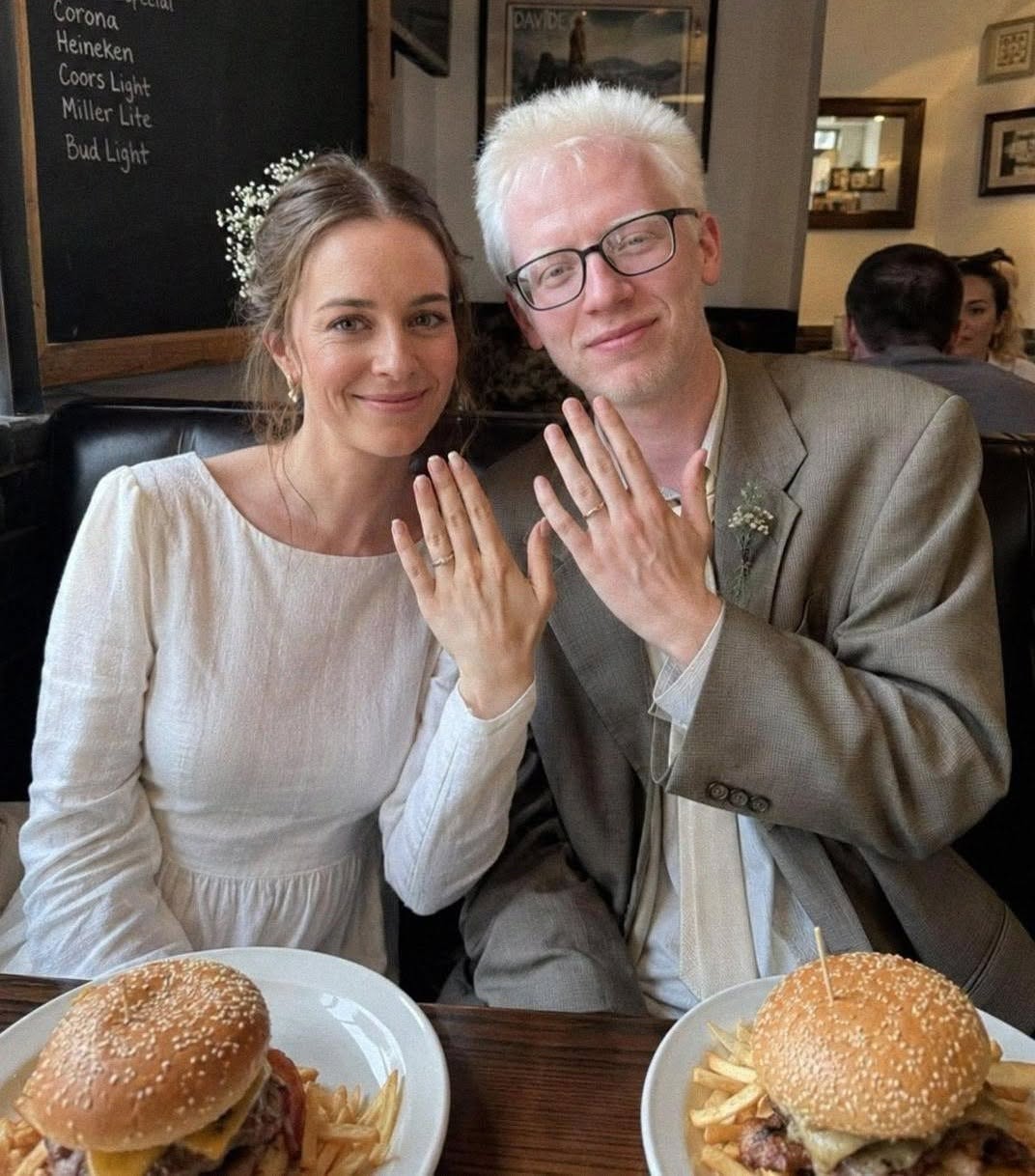
Savannah rejected the life everyone expected her to choose. Connor, a wealthy man connected to her father’s work, offered a penthouse, an expensive ring, and the kind of security her parents admired. Instead, she married Daniel, her broke best friend, and celebrated their wedding with takeout burgers. Then Daniel reached into his pocket and revealed a letter that changed what Savannah knew about her family and her own future.
The letter had been written by Savannah’s grandmother. It said her house belonged to Savannah once she turned 25, along with savings intended for taxes, repairs, and upkeep. Savannah had never seen it. Her parents had continued controlling the property, renting it out, and keeping the income while telling their daughter she lacked the judgment to manage serious assets.
Daniel had discovered the letter before the wedding but hesitated to show it. He feared Savannah would believe he was trying to turn her against her parents or that he had married her because of the inheritance. His silence was wrong, and she told him so. Yet the document also explained why her family had pushed Connor so hard: marriage to a wealthy insider could keep Savannah dependent and discourage her from questioning the property.
When she confronted her parents, they described the house as a burden they had managed for her protection. That claim sounded very different beside their celebration of Connor’s penthouse. Savannah realized that “security” had been used to mean obedience. Her mother said they wanted her safe; Savannah answered that a safe woman knows the truth about what belongs to her.
An attorney confirmed the grandmother’s instructions. The house should have transferred to Savannah at 25. Her parents initially said they were helping with paperwork while she grieved, then stopped responding to the lawyer. They had rented the home and retained the money. The records showed that Savannah had not been irresponsible; she had been deliberately kept uninformed.
Daniel took her to the old house. The porch needed paint, but the swing from her childhood remained. A neighbor remembered Savannah’s grandmother speaking proudly about her. Standing there, Savannah understood that she had never truly been forced to choose between love and security. The security had already been left to her before either man made an offer.
Her parents invited Connor to a family dinner meant to pressure her into backing down. Savannah refused to accept a conversation in which the man offering luxury received more respect than the husband who revealed the truth. Her sister Stacey finally supported her, admitting that their parents had omitted the inheritance while describing Savannah as reckless.
Savannah gave her family a clear choice: acknowledge her marriage and return control of the property, or continue defending Connor and the story they had protected. She told Connor to stop sending flowers and said his offer was a cage with a good view. Daniel, meanwhile, apologized for deciding what he thought Savannah could emotionally handle. She demanded honesty from him too.
The legal process required records, formal notices, and negotiations, but Savannah’s parents ultimately surrendered control rather than escalate the dispute. With the brass key finally in her hand, she changed the locks and planned to paint the house blue. The inheritance became more than an asset; it represented the independent future her grandmother had intended.
Savannah and Daniel later sat on the porch swing eating burgers, echoing their wedding meal. Daniel had not given her a fortune. He had eventually given her the truth, and she had used it to reclaim her own life. The fictional story’s surprise is not that the “broke” husband was secretly a millionaire. It is that wealth had belonged to Savannah all along, while the people promising to protect her were the ones keeping it away.