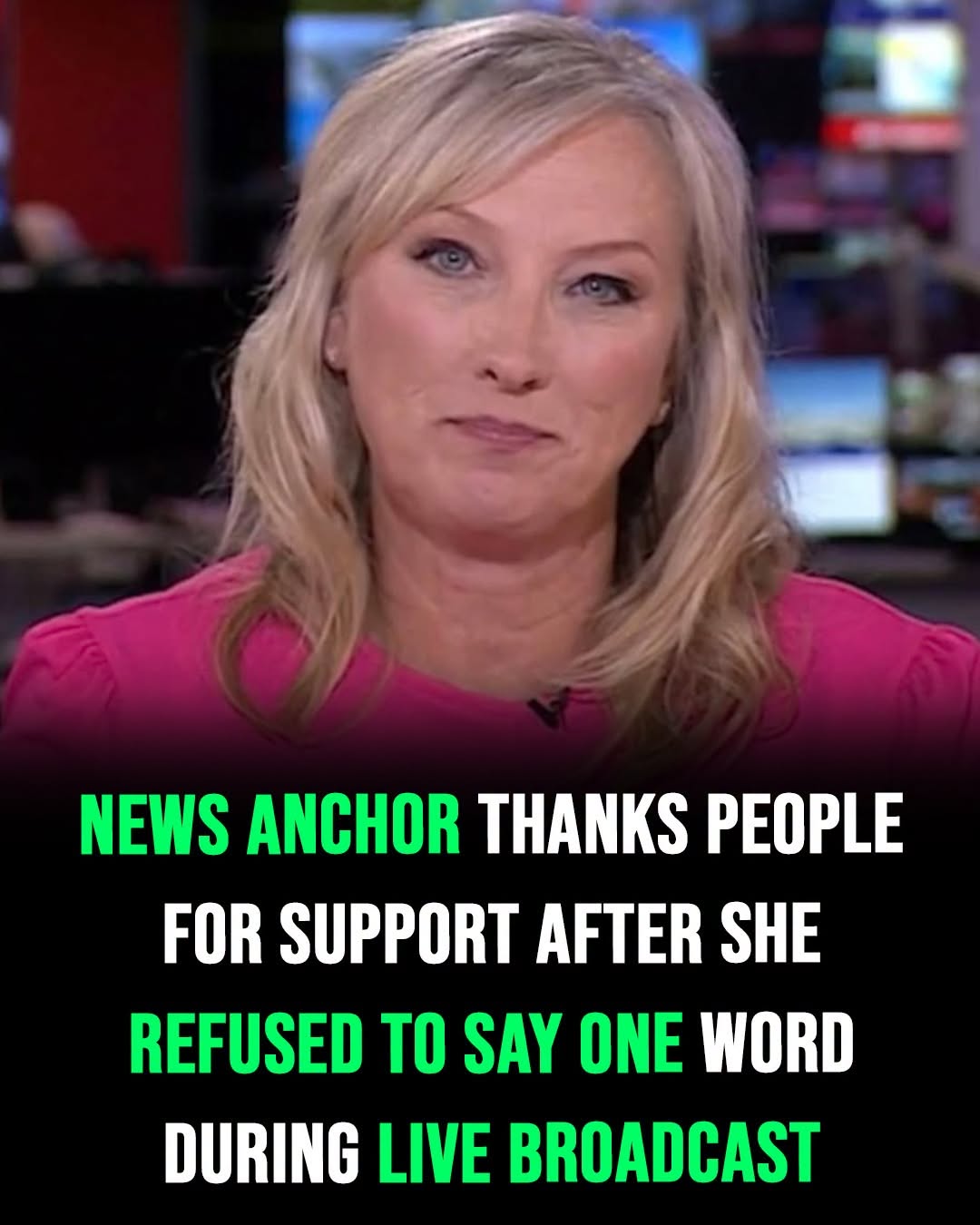
A BBC anchor was reading from the autocue during a live broadcast when she appeared to hesitate over one particular phrase. Instead of repeating the wording exactly as it appeared on the teleprompter, Martine Croxall changed it while speaking on air. The brief moment quickly attracted attention online, with viewers debating whether her decision was simply a spontaneous correction or a deliberate statement.
Croxall, a veteran BBC News presenter, has worked for the broadcaster for decades and is no stranger to live television. During the broadcast, she was discussing people considered more vulnerable to heat-related illness as temperatures across the UK continued to rise. The segment referenced research from the London School of Hygiene and Tropical Medicine and included advice for groups who may need to take additional precautions during periods of extreme heat.
As she read the sentence from the autocue, Croxall initially began using the phrase “pregnant people.” She then quickly changed the wording to “women,” emphasizing the correction as she continued speaking. The moment lasted only seconds, but it was enough to attract widespread attention once clips from the broadcast began circulating online.
Her wording immediately became the subject of a much larger debate. Supporters viewed the change as an expression of Croxall’s personal beliefs, while critics argued that presenters should follow the language prepared by the editorial team. Others saw the incident as another example of how questions surrounding sex, gender, and inclusive language have increasingly moved into mainstream public debate.
The phrase “pregnant people” is often used in inclusive language because pregnancy can also involve transgender men and some non-binary individuals. Supporters of the terminology say that it recognizes everyone who can become pregnant, regardless of gender identity. Others prefer “pregnant women,” arguing that pregnancy is fundamentally connected to biological sex and that traditional terminology should remain in common use.
The disagreement is therefore about more than one phrase on a television autocue. It reflects a much broader cultural argument about language and inclusion—one that has generated intense disagreement in Britain and other countries. Words that might once have seemed routine can now carry political, cultural, and personal significance, especially when spoken by a public figure on national television.
Social media quickly amplified the moment. Viewers shared clips, screenshots, and reactions, with people on both sides expressing strong opinions about what Croxall had done. Some praised her for refusing to use language they considered unnecessary or ideologically motivated. Others argued that changing the wording during a BBC broadcast was inappropriate and potentially distracting from the medical information being communicated.
British author J.K. Rowling was among those who publicly expressed support for Croxall, posting on X that she had found a new favorite BBC presenter. Her reaction added another layer of attention to an incident that might otherwise have remained a brief moment in a television broadcast.
Croxall herself later acknowledged the enormous reaction. In a social media post, she thanked the people who had chosen to follow her, saying it had been “quite a ride.” Her response suggested that she was aware the moment had generated considerably more attention than she could have expected when she was sitting behind the news desk.
She also appeared to recognize that there could be consequences for deviating from the prepared wording. Croxall indicated that she understood the possibility of being questioned by senior figures at the BBC and said she was prepared for that conversation if it happened. For a journalist who has spent decades working in live broadcasting, the incident demonstrated how quickly a few unscripted words can become a national discussion.
Croxall has previously expressed strong views about the distinction between biological sex and gender, making the incident particularly significant to those already familiar with her public comments. Her supporters therefore interpreted the wording change as consistent with positions she has expressed previously, rather than an accidental slip.
At the same time, the BBC’s role in the controversy is important. News presenters generally work from carefully prepared scripts and autocues, particularly when delivering information based on scientific research. Changing wording during a live broadcast can therefore raise questions about editorial consistency, even when the change involves only a single word or phrase.
The debate ultimately illustrates how complicated modern public language has become. A sentence intended to communicate health advice can suddenly become part of a much larger argument about identity, inclusion, biology, and free expression. What took only a few seconds on television generated hours of discussion online.
Whether viewers agreed with Croxall or disagreed with her, the incident demonstrated the power of live television. A presenter can follow the script almost word for word for an entire broadcast, yet one unexpected change can become the moment everyone remembers. In an era where every broadcast can be clipped and shared within minutes, even the smallest deviation from an autocue can spark a conversation far beyond the studio.