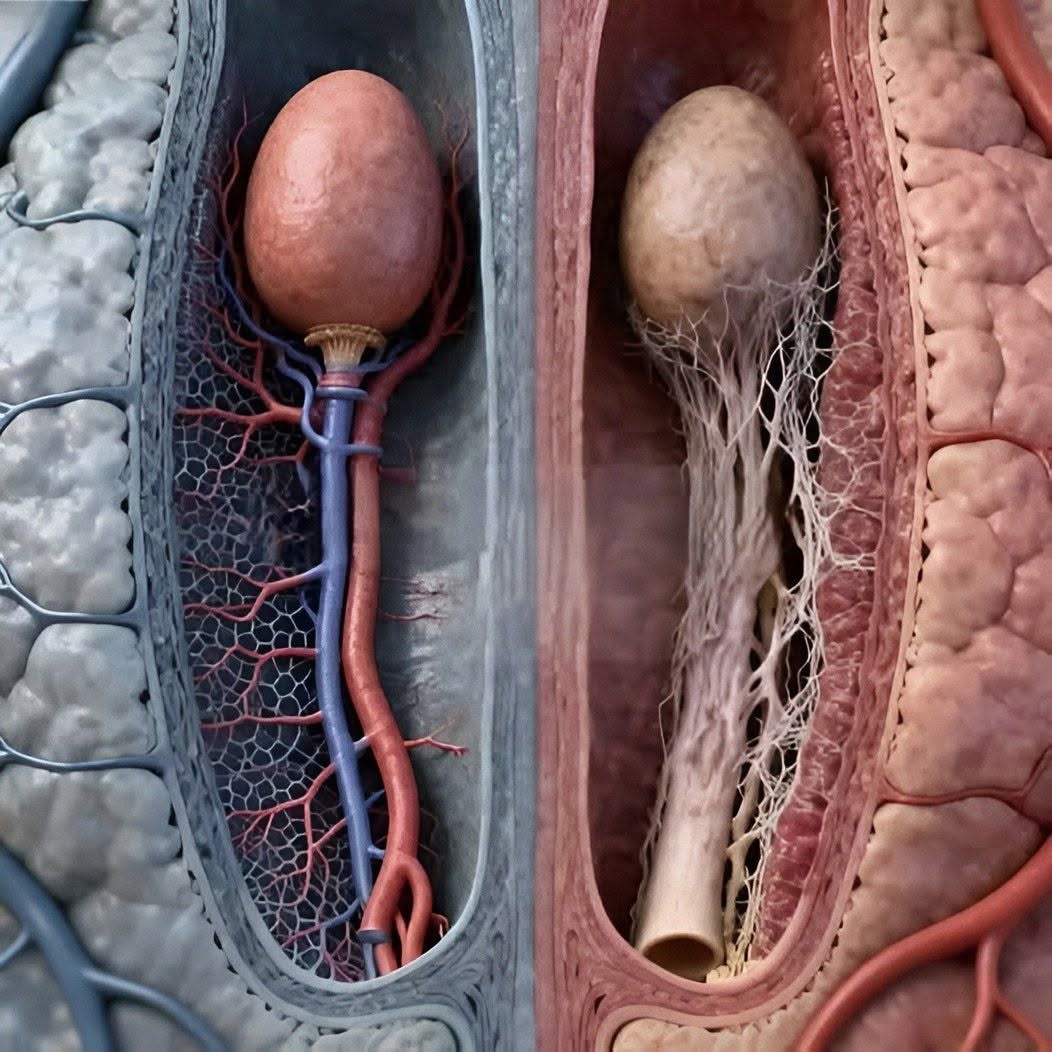
Aging affects every system in the human body, yet changes involving male sexual and reproductive health are often discussed in whispers or not discussed at all. Many men notice differences in sensation, firmness, desire, or recovery time and immediately assume something is seriously wrong. In reality, gradual changes can be a normal part of getting older. Understanding what happens inside the body can reduce unnecessary fear while also helping men recognize when a new symptom deserves professional medical attention.
One of the most important factors is circulation. Erections depend heavily on healthy blood vessels that can deliver and retain sufficient blood. Over time, arteries may become less flexible or narrower, particularly in people with high blood pressure, diabetes, high cholesterol, or a history of smoking. This can make the body respond more slowly than it did in younger years. Because blood-vessel health affects both the heart and sexual function, a persistent change may sometimes offer an early reason to discuss cardiovascular health with a doctor.
Hormones also evolve with age. Testosterone levels tend to decline gradually rather than disappearing at a specific birthday. Some men experience little noticeable effect, while others report reduced desire, lower energy, changes in mood, or loss of muscle mass. These symptoms can have many causes, so they should not be used to diagnose low testosterone without proper testing. Sleep problems, medications, depression, chronic illness, and relationship stress can produce similar changes.
The tissues and nerves involved in sexual response change as well. Connective tissue may lose some elasticity, and nerve signals can travel less efficiently. A man may require more direct stimulation or more time to become fully aroused. Recovery between sexual activity may also take longer. None of these changes means that intimacy must end. They often mean that expectations, communication, and routines need to adjust to a body that works differently than it did decades earlier.
Lifestyle can influence how quickly these changes appear. Regular physical activity supports blood flow, weight control, mood, and endurance. A balanced diet that supports heart health can also benefit the vascular system involved in sexual response. Avoiding tobacco is especially important because smoking damages blood vessels. Limiting excessive alcohol, managing diabetes, treating high blood pressure, and getting adequate sleep can all help maintain function for longer.
Honest medical conversations matter because not every change should be blamed on age. Sudden pain, a new lump, significant curvature, bleeding, swelling, loss of function that appears abruptly, or symptoms affecting urination require evaluation. Persistent erectile difficulties can also be related to medication side effects or underlying health conditions. A clinician can review the full picture and recommend safe options rather than leaving someone to rely on unregulated supplements or misleading online claims.
Emotional factors are equally real. Worrying about performance can make physical changes more pronounced, creating a cycle of anxiety and disappointment. Partners may misinterpret reduced spontaneity as a loss of attraction when the actual explanation is biological, psychological, or related to medication. Clear communication can reduce that pressure. Intimacy is broader than a single physical response, and many couples find satisfying ways to adapt when they approach the issue without blame.
Growing older is not the same as becoming broken. The male body continues to function, but its timing, sensitivity, and needs may change. Men who understand these shifts are better positioned to protect their health and seek help when necessary. The goal is not to recreate the body of youth. It is to support circulation, address treatable problems, maintain honest relationships, and live comfortably in the body one has now.