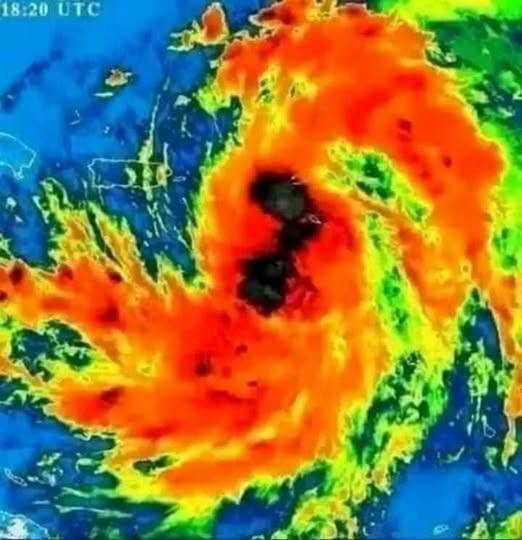
Reports that a powerful hurricane has reached Category 5 strength immediately raise fear because that designation represents the highest level on the Saffir-Simpson wind scale. The source article describes Hurricane Melissa as a rapidly intensifying Atlantic system with winds of at least 157 miles per hour. It also emphasizes that the storm’s exact path remains uncertain. Forecasts can change as new observations arrive, making official updates more important than alarming social-media graphics.
A Category 5 label refers to sustained wind speed, but wind is not the only threat. Storm surge can push seawater far inland and make evacuation routes impassable. Heavy rain may produce flash floods well away from the coastline, while waves and rip currents can remain dangerous hundreds of miles from the center. Tornadoes can also develop in outer rain bands. Communities outside the narrow forecast line should therefore avoid assuming they are safe.
Forecast cones show where the center of a tropical cyclone may travel; they do not display the complete area of potential damage. A large hurricane can bring severe conditions far beyond its eye. The cone also reflects uncertainty that grows farther into the future. Small changes in steering winds can shift the projected track, which is why meteorologists update forecasts regularly rather than declaring one location certain to be struck days in advance.
Residents in potentially affected areas should rely on their national weather service, local emergency management office, and trusted broadcasters. Viral posts may recycle old storm images, exaggerate wind speeds, or attach the wrong name to a forecast model. Before sharing a warning, people should check the date, advisory number, and issuing agency. The existence, intensity, and current position of any storm should be confirmed through official bulletins.
Preparation is most effective before roads become crowded. Families can review evacuation zones, decide where they would go, keep vehicles fueled, and gather identification, medicine, water, food, flashlights, batteries, phone chargers, and supplies for pets. Important documents can be protected in waterproof containers. Outdoor furniture, tools, and other loose objects should be secured because strong wind can turn them into dangerous debris.
Evacuation orders deserve immediate attention. Waiting until conditions visibly worsen can leave families trapped by traffic, flooding, or closed bridges. People who live in mobile homes, low-lying coastal areas, or buildings that cannot withstand major winds may face particular danger. Those who need transportation, medical equipment, or assistance should contact local authorities early. Emergency planning is more difficult once the storm’s outer bands arrive.
People outside an evacuation zone still need a safe interior location away from windows. Phones should be charged and alerts enabled. Generators must remain outdoors, far from windows and doors, because carbon monoxide can kill without warning. Floodwater should never be crossed on foot or by car; its depth and current are difficult to judge, and damaged roads may be hidden below the surface. After the storm, downed power lines and unstable structures create additional hazards.
Powerful hurricanes create an emotional strain as families face the possibility of leaving homes without knowing what will remain. Fear is understandable, but panic can lead to poor decisions. The best response is calm, verified preparation. Forecasts will continue to change as meteorologists collect better data. People in the possible path should stay informed, follow local instructions, and act early enough to protect themselves. No possession is worth risking a life when authorities say it is time to leave.
Neighbors can strengthen that preparation by checking on older residents, people living alone, and families who recently moved into the area. Plans should account for prescription refills, mobility needs, infants, and animals. A written contact plan is useful when mobile networks become overloaded. Even if the storm ultimately turns away, preparation is not wasted: supplies, evacuation knowledge, and stronger community connections remain valuable for the next emergency.