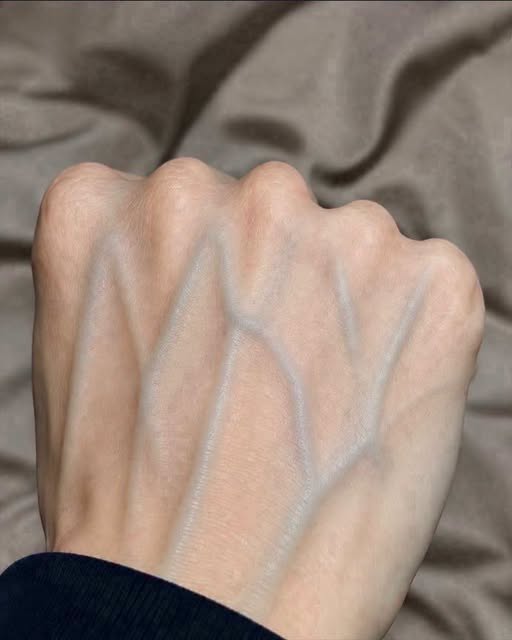
Your hands don’t look like they used to. One day, you glance down—and the veins are right there, bold and raised, almost shouting for your attention. You may suddenly wonder when they became so noticeable and why you never paid attention to them before. Is it aging? A hidden health problem? Or just your body quietly changing in ways you never noticed before? The truth is both more ordinary and more unsettling than you might expect. In many cases, prominent veins on the hands are simply a visible part of normal changes happening beneath the skin.
Noticing more visible veins on your hands can feel like a jarring reminder that your body is changing, but in most cases it reflects normal biology rather than danger. Genetics can play a major role in determining how prominent your veins naturally appear. Some people simply have veins that sit closer to the surface of the skin, making them more noticeable throughout their lives. As the years pass, natural thinning of the skin can make those structures easier to see as well. A reduction in the layer of fat beneath the skin can also remove some of the cushioning that once made veins and tendons appear less prominent.
Other changes can make your veins temporarily stand out even more. Heat can cause blood vessels near the surface of the skin to expand, making them appear fuller or darker. Exercise can have a similar effect because increased blood flow can temporarily make veins more pronounced, especially after physical activity. Even hydration levels and changes in body composition can influence how visible the structures beneath the skin appear. These fluctuations can look dramatic when you first notice them, but they do not automatically mean that something is wrong.
What matters most is not simply how visible your veins are, but how they behave and whether other symptoms appear alongside them. A gradual increase in visibility, especially when it occurs on both hands without discomfort, is often very different from a sudden change accompanied by unusual symptoms. Pain, redness, warmth, swelling, firmness, or a sudden, dramatic change in one particular area are reasons to speak with a healthcare professional. These signs do not necessarily mean something serious is happening, but they deserve proper attention rather than being ignored.
It is also important not to treat visible veins as a diagnosis by themselves. Looking at your hands cannot tell you exactly what is happening inside your body, and prominent veins alone are not enough to identify a medical condition. If something about the change concerns you, a clinician can consider your symptoms, medical history, and physical examination and decide whether further testing is appropriate. In other words, the appearance may be worth noticing, but it should always be considered alongside the bigger picture.
Supporting your circulation and overall vein health is also part of taking care of your body over time. Regular movement helps keep your circulation active, while staying adequately hydrated supports normal body function. Avoiding smoking is another important step because smoking can damage blood vessels and negatively affect cardiovascular health. These habits cannot prevent every change in the appearance of your hands, but they contribute to healthier circulation as you age.
In many cases, those noticeable hand veins are simply a quiet sign that your body is changing naturally. What may initially look alarming can turn out to be nothing more than thinner skin, genetics, changes in body composition, heat, exercise, or other ordinary factors. Still, paying attention to new or unusual symptoms is always worthwhile. Your hands can reveal small clues about the passage of time, but a visible vein does not automatically tell a frightening story. Sometimes it is simply another reminder that your body—and your story—are still unfolding.