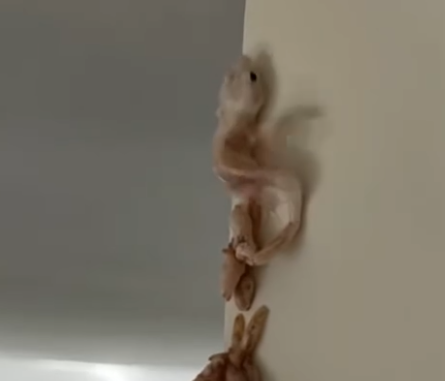
Unexpected substances appearing on interior walls can be puzzling and sometimes concerning for homeowners and renters alike. One particularly curious phenomenon is the appearance of pink foam-like material on a wall, around a crack, near a pipe opening, or along the edge of a window or door. Because the material can appear suddenly and may have an unfamiliar texture or color, it is natural to wonder where it came from and whether it indicates a larger problem hidden behind the surface.
The important thing is not to immediately assume the worst. Pink material on a wall can have several possible explanations, ranging from ordinary construction products to moisture-related growth or residue from previous repairs. Identifying where it is located, how it feels, whether it is expanding, and whether there are signs of water damage nearby can provide useful clues.
## Could It Be Expanding Foam?
One of the simplest explanations is expanding polyurethane foam used during construction or home repairs.
Expanding foam is commonly applied around windows, doors, pipes, electrical penetrations, and gaps where air or insects might enter. Depending on the manufacturer and product type, insulation or sealing materials can appear in different colors, including shades that may look pink, cream, yellow, or orange.
If the material appears to be emerging from a crack or opening, it could be older insulation that has become exposed after paint, drywall compound, or another covering deteriorated.
Construction foam usually hardens after curing and develops a lightweight, porous texture. If you recently had renovation, plumbing, electrical, insulation, or pest-control work completed, checking what products were used may quickly solve the mystery.
## Insulation May Be Another Explanation
Pink is also commonly associated with certain types of fiberglass insulation.
If drywall has been damaged, cracked, drilled, or partially removed, insulation from inside the wall cavity may become visible. Fiberglass insulation typically looks more fluffy or fibrous than expanding foam, but a small amount pushing through an opening can appear confusing when viewed without context.
Avoid unnecessarily handling exposed insulation with bare hands. Fibers can irritate the skin, eyes, and respiratory system. If you suspect insulation has become exposed, repairing the damaged wall surface may be necessary.
## Pay Attention to Moisture
A more important question is whether the mysterious material is appearing near moisture.
Look carefully around the surrounding wall. Is the paint bubbling? Does the drywall feel soft? Are there brown or yellow stains nearby? Is there a musty smell? Has the area recently experienced a plumbing leak, roof problem, condensation, or flooding?
Moisture behind a wall can create several problems, including deterioration of drywall, damaged insulation, and microbial growth. What appears to be an unusual substance may therefore be only the visible symptom of a hidden water problem.
Bathrooms, kitchens, laundry rooms, basements, and walls containing plumbing deserve particular attention because they are more likely to experience elevated moisture.
## Not Everything Pink Is Mold
People sometimes immediately assume that any unusual colored material growing or appearing in a damp environment must be mold. However, color alone is not enough to identify mold or another microorganism.
Pink or reddish discoloration in damp areas can sometimes be associated with microbial growth, including certain bacteria or yeasts, but appearance alone cannot reliably determine exactly what is present. A foam-like structure may also be completely unrelated to biological growth.
Instead of trying to diagnose an unknown substance based only on photographs or color, consider the broader environment and whether the material is changing over time.
## What Should You Do When You Find It?
Start by documenting what you see.
Take clear photographs before cleaning or disturbing the area. Photograph both the material itself and the surrounding wall so you have a record of its location and size. This can be particularly useful for renters who may need to notify a landlord or property manager.
Next, inspect the surrounding area without aggressively scraping or pulling apart the wall. Look for cracks, openings, plumbing fixtures, ventilation ducts, windows, or signs of previous repair work.
If the substance is dry, stable, and clearly appears to be construction foam coming from an old repair, the solution may be relatively straightforward. Excess cured foam can often be professionally trimmed and the surface repaired or resealed.
But if you cannot identify the material, avoid immediately touching, smelling closely, sanding, or aggressively scraping it. Disturbing an unknown substance can spread dust, fibers, spores, or other particles into the air.
## When Moisture Is Involved
If the wall is wet or repeatedly becomes damp, finding the source of the moisture should be the priority.
Cleaning the visible surface without repairing a leaking pipe, damaged roof, poorly sealed window, or condensation problem may provide only temporary improvement. The material may return because the underlying conditions remain unchanged.
Check nearby plumbing and look for water staining above and below the affected area. If the source isn’t obvious, a plumber, building professional, or other qualified contractor may need to inspect the area.
## When Professional Help Makes Sense
Professional evaluation is particularly useful when the affected area is large, continues growing, returns after cleaning, is accompanied by significant water damage, or appears to originate from deep inside the wall.
You should also be cautious if anyone in the home develops irritation or other symptoms that seem associated with the affected area. In those situations, avoid unnecessary exposure and seek appropriate professional advice.
Renters should report unexplained wall damage, leaks, or suspected moisture problems to the property owner or management rather than making major repairs themselves.
## Preventing Similar Problems
Prevention begins with controlling moisture and maintaining the building envelope.
Repair leaking pipes promptly. Keep bathrooms and kitchens adequately ventilated. Address roof leaks and damaged window seals. Monitor areas where condensation regularly develops, and don’t ignore paint that repeatedly bubbles, cracks, or peels.
It is also useful to know where insulation, plumbing, and previous repairs are located before drilling into walls. Sometimes mysterious materials appear simply because an old construction product has been accidentally exposed.
Regularly inspecting areas around sinks, showers, windows, ceilings, and exterior-facing walls can help identify small problems before they become expensive ones.
## A Strange Discovery Doesn’t Always Mean Disaster
Finding an unfamiliar pink foam-like substance on a wall can certainly look alarming, especially when it seems to have appeared without explanation. But there are many possible causes, and several are ordinary building materials rather than dangerous contaminants.
The safest approach is simple: don’t panic, don’t guess based solely on appearance, and don’t aggressively disturb something you cannot identify.
Document the material, inspect the surrounding area for moisture or damage, consider recent construction or repair work, and seek professional assistance when the source remains unclear.
Sometimes the mysterious pink substance is nothing more than exposed insulation or expanding foam. Other times, it can be the clue that leads you to a hidden leak or another maintenance problem. Either way, paying attention early gives you the best chance of solving the mystery before a small issue becomes a much larger one.