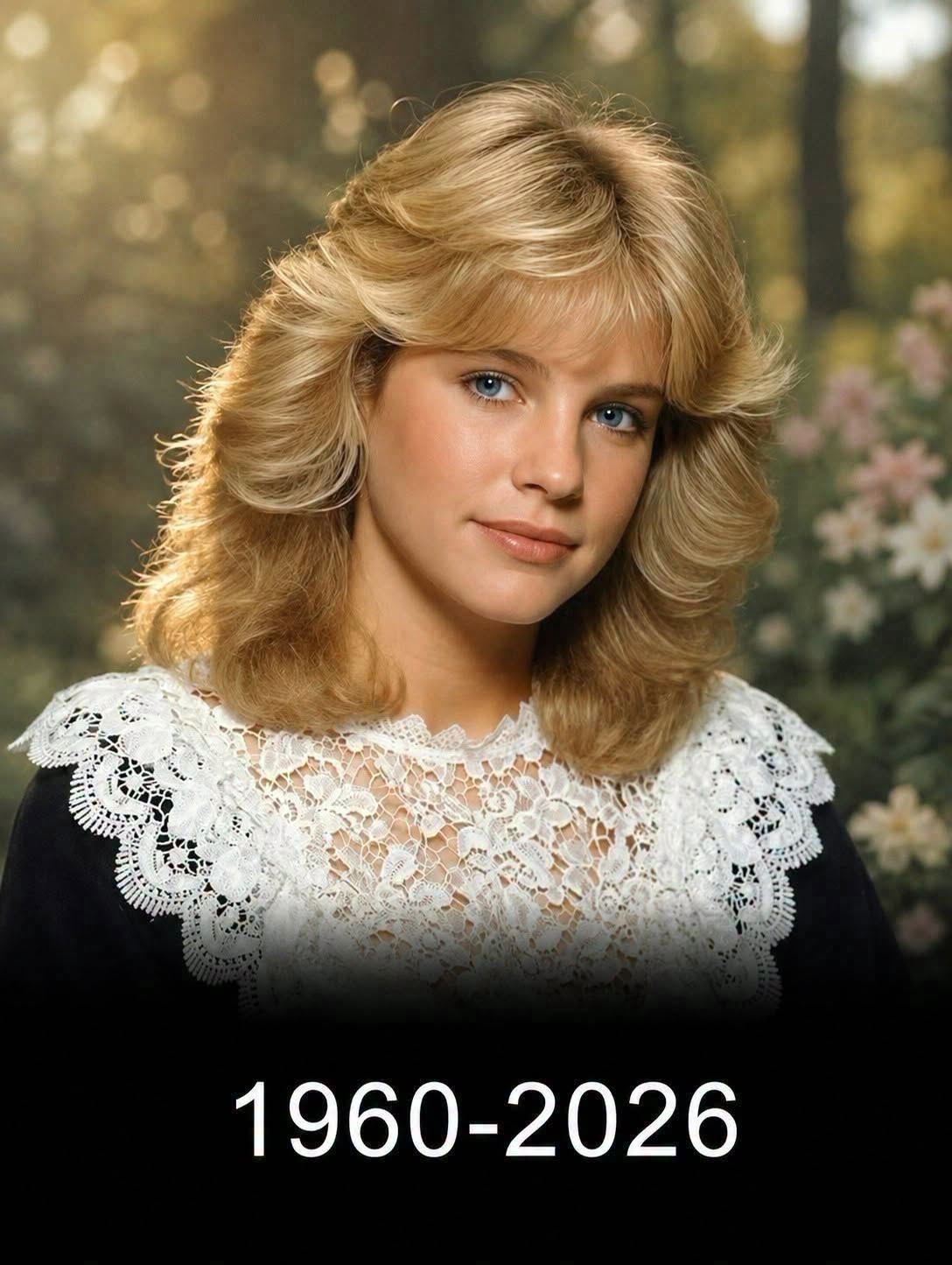
She had the kind of face people remembered immediately—but then, almost as suddenly as she had appeared, she seemed to vanish. At the height of the 1980s, Jennifer Runyon was everywhere: popular movies, recognizable television shows, made-for-TV productions, and guest appearances that suggested Hollywood had found another actress it intended to keep around for decades. Her future looked almost inevitable. More auditions, bigger roles, more premieres, more years spent beneath studio lights. And then, without the kind of scandal that usually explains a Hollywood disappearance, she quietly stepped away. No spectacular meltdown. No public feud. No career-ending controversy. Just a personal choice that seemed almost impossible in an industry built around never wanting the spotlight to move on.
Jennifer Runyon’s rise was the kind Hollywood usually refuses to let go of. With her warm screen presence and unmistakably 1980s charm, she became one of those performers audiences could recognize even when they couldn’t immediately remember where they’d seen her before. She moved comfortably between movies and television, building a résumé that placed her alongside some of the era’s most familiar names.
For many viewers, one of her most memorable appearances came in Ghostbusters, where she played the student involved in Bill Murray’s character’s hilariously questionable psychic experiment. It wasn’t the largest role in the movie, but Ghostbusters became a cultural phenomenon, and even brief appearances in films that iconic can remain attached to an actor for the rest of their career.
Television gave audiences even more opportunities to know her. Runyon appeared in popular series including Charles in Charge and worked across numerous other television productions during an era when network television could make a performer’s face familiar to millions of households almost overnight.
She had what so many young actors spend years chasing: momentum.
Once Hollywood begins calling, conventional wisdom says you keep answering. You take the next meeting. You audition for the next pilot. You accept another movie because you never know whether the opportunity will return. Careers are fragile, and actors are constantly reminded that someone younger, newer, or more fashionable is waiting just outside the casting room.
Runyon understood that world.
But behind the scenes, another question was becoming increasingly important: What exactly was all of that success supposed to provide?
The industry had one answer—visibility, bigger roles, better billing, magazine covers, money, and the possibility of becoming even more famous.
Runyon began imagining another.
It was a version of success measured in birthdays rather than box-office numbers. School events rather than premieres. Quiet evenings at home rather than exhausting production schedules. Family dinners where nobody suddenly announced that she needed to be on set before sunrise.
Those things rarely appear glamorous when compared with Hollywood.
But they were real.
As her personal life changed, Runyon increasingly chose marriage, motherhood, and family over the endless pursuit of the next role. Rather than allowing acting to determine the structure of everything else, she began allowing everything else to determine how much acting she wanted to do.
That distinction mattered.
She didn’t necessarily have to announce some dramatic retirement from Hollywood. She simply stopped treating every opportunity as something she was obligated to chase. The auditions became less important. The pressure to remain constantly visible lost some of its power.
Occasional roles could still happen.
But now they happened on her terms.
For an actress working during that period, the decision carried additional weight. Hollywood had long imposed particularly unforgiving expectations on women. Young actresses were frequently encouraged to treat every year as a countdown, as though their careers came with invisible expiration dates.
Turn thirty and the available roles might change.
Get married and people might question your commitment.
Have children and suddenly everyone wanted to know whether you could “balance” motherhood and work—a question rarely asked of male stars with the same intensity.
Runyon stepped away from that race.
Instead of spending years desperately trying to prove that she remained young enough, relevant enough, beautiful enough, or commercially valuable enough for an industry constantly searching for the next face, she redirected her attention toward a life that didn’t require casting directors to approve of her.
That choice could easily have been misunderstood as failure.
Hollywood has a strange habit of treating absence as tragedy. When an actor stops appearing regularly, audiences immediately ask, “Whatever happened to her?”
The question often assumes something went wrong.
Was she fired?
Did she lose her looks?
Did she become difficult?
Did she have some secret breakdown?
Sometimes, however, the answer is much simpler.
Sometimes someone simply wanted something else.
Runyon’s story becomes far more interesting when viewed through that lens. The woman audiences thought had disappeared had actually moved toward a different version of fulfillment. The cameras became less important because the life happening when they were turned off had become more important.
Marriage and motherhood brought responsibilities that couldn’t always be rearranged around production schedules. Raising children meant being present for thousands of moments that would never earn applause from an audience: ordinary breakfasts, homework, illnesses, celebrations, conversations, school events, and nights spent at home.
There is no IMDb credit for those moments.
No review.
No Nielsen rating.
No opening-weekend total.
Yet for the person living them, they can matter more than anything printed on a movie poster.
That doesn’t mean Runyon completely erased acting from her identity. Over the years, she has occasionally returned to the screen and remained connected to the entertainment world. But those appearances no longer seemed driven by the frantic need to maintain celebrity at any cost.
She could choose.
And perhaps that was the real luxury.
Many performers spend decades trying to reach the point where they have enough power to say no. Runyon discovered that saying no was itself a kind of power.
No to another audition if it didn’t fit.
No to sacrificing every family moment for another production.
No to the idea that disappearing from television meant disappearing as a person.
And no to an industry that had spent generations teaching actresses that their value depended on remaining visible.
Years later, audiences can watch Ghostbusters or old television episodes and suddenly recognize that familiar face again. The reaction is often immediate: “Whatever happened to her?”
But perhaps that isn’t the right question.
Nothing necessarily “happened” to Jennifer Runyon in the tragic sense people expect from stories about former Hollywood stars. There was no requirement that every promising actress continue climbing until the industry eventually pushed her down.
She simply chose another direction.
And that makes her story unusual.
Hollywood narratives often celebrate relentless ambition—the person who sacrifices everything, survives rejection, works endless hours, and finally stands beneath the lights accepting an award.
Runyon’s story offers another possibility.
What if success isn’t always about staying?
What if walking away from opportunities everyone else desperately wants can sometimes be an achievement of its own?
She had experienced the sets, the recognizable roles, the excitement of popular television, and the strange permanence that comes from appearing in a movie people continue watching decades later.
Then she chose ordinary life.
Not because she couldn’t continue, but because continuing was no longer the only thing that mattered.
In an industry that frequently told women their time was running out, Jennifer Runyon refused to let Hollywood decide what her timeline should look like. She allowed herself to grow older without treating age as a professional emergency. She allowed family to matter without apologizing for it. And she left enough space for acting to remain something she could return to rather than something that owned every hour of her life.
So perhaps her story isn’t a “whatever happened to her?” mystery at all.
It isn’t a tragedy about a promising actress who disappeared before reaching her potential.
It’s something Hollywood produces far less often: a story about someone who realized that fame and fulfillment weren’t necessarily the same thing.
Jennifer Runyon had already seen what life looked like in front of the camera.
Then she chose birthdays, family dinners, marriage, motherhood, and mornings that didn’t begin with a 4 a.m. call sheet.
The spotlight moved elsewhere.
The world kept watching other stars.
And Runyon built a life largely outside the frame.
Maybe that is the ending people overlook because Hollywood rarely teaches us to recognize it as success.
The star didn’t disappear.
She simply went home.
And in a business where almost everyone is fighting desperately for one more moment beneath the lights, Jennifer Runyon did something surprisingly rare: she chose a life that belonged to her.