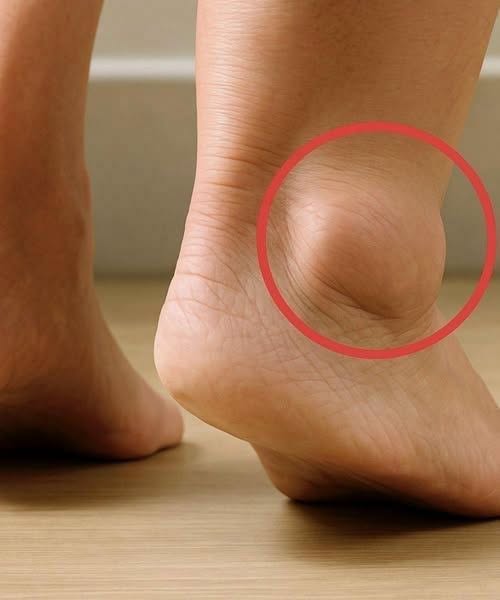
Many people dismiss swollen feet as an unavoidable part of getting older.
After a long day of standing, walking, or sitting, a little puffiness may seem harmless. Tight shoes, warm weather, or a salty meal are often blamed, and in many cases, the swelling does improve after a night’s rest.
However, when swelling becomes frequent, persistent, or suddenly worsens, it may be your body’s way of signaling that something needs attention.
Swelling in the feet and ankles, known medically as peripheral edema, occurs when excess fluid builds up in the tissues. This can happen for many reasons, ranging from temporary lifestyle factors to underlying medical conditions that require treatment.
One common cause is chronic venous insufficiency.
Normally, veins in the legs use small valves to help push blood back toward the heart. When these valves become weakened or damaged, blood can pool in the lower legs, increasing pressure inside the veins and allowing fluid to leak into nearby tissues.
Heart conditions can also contribute to swelling.
If the heart cannot pump blood efficiently, fluid may begin accumulating in the feet, ankles, and legs. In some cases, swelling is accompanied by shortness of breath, fatigue, or difficulty lying flat—symptoms that should be evaluated promptly.
The kidneys play an equally important role.
Healthy kidneys regulate the body’s fluid balance by filtering waste and excess water from the bloodstream. When kidney function declines, fluid may build up throughout the body, often first appearing as swelling in the feet, ankles, or around the eyes.
Liver disease is another possible cause.
When the liver becomes damaged, it may produce lower levels of proteins that help keep fluid inside blood vessels. As a result, fluid can leak into surrounding tissues and contribute to swelling in the legs and feet.
Certain medications may also cause fluid retention.
Some blood pressure medications, anti-inflammatory drugs, corticosteroids, hormone therapies, and diabetes medications list swelling as a potential side effect. Anyone who notices new swelling after starting a medication should discuss it with their healthcare provider rather than stopping the medication on their own.
Lifestyle habits can make swelling worse.
Spending long hours sitting at a desk, traveling on lengthy flights, standing in one place for extended periods, carrying excess body weight, or eating large amounts of sodium can all contribute to fluid accumulation.
Fortunately, several simple daily habits may help reduce mild swelling.
Taking short walks throughout the day encourages the calf muscles to pump blood back toward the heart. Even gentle ankle circles and foot flexes while sitting can improve circulation.
Elevating your feet above heart level for short periods may also help excess fluid drain from the lower legs.
Many people also benefit from properly fitted compression socks, which apply gentle pressure to support circulation and reduce fluid buildup. These should be selected with guidance from a healthcare professional, particularly for people with certain circulation disorders.
Maintaining a balanced diet with moderate sodium intake and staying adequately hydrated also support healthy fluid balance. Although it may seem counterintuitive, drinking enough water helps the body regulate fluids more effectively.
While mild swelling after prolonged standing is often temporary, some situations require prompt medical attention.
Sudden swelling in one leg, swelling accompanied by chest pain, shortness of breath, severe pain, redness, warmth, or rapid weight gain should be evaluated immediately, as these symptoms may indicate a serious medical condition.
Persistent swelling that lasts for several days or continues returning should also be discussed with a healthcare professional. Early evaluation may identify treatable conditions before they become more serious.
Swollen feet are not always a cause for alarm, but they should never be ignored when they become persistent, unexplained, or are accompanied by other symptoms. Paying attention to these changes—and seeking medical advice when appropriate—can help identify underlying health problems early, allowing treatment to begin before complications develop.