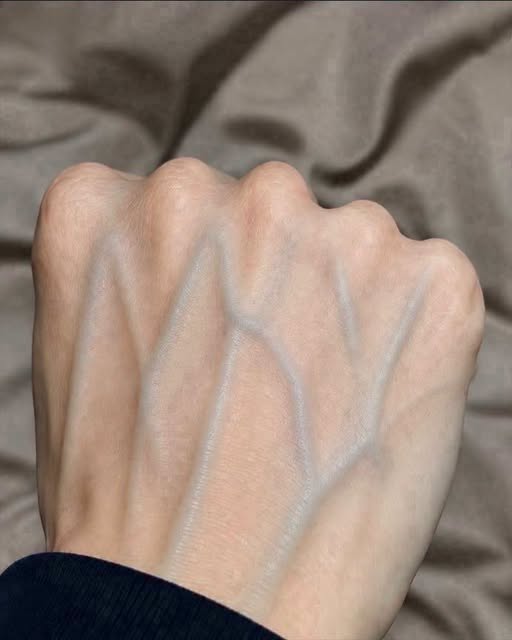
Noticing your veins suddenly standing out can feel like a quiet alarm going off beneath your skin. One day your hands, arms, or legs look perfectly ordinary. The next, blue and green lines seem more pronounced than ever before, leaving you wondering what changed. Was it the weight you’ve recently lost? The extra hours you’ve spent at the gym? Or is your body trying to warn you that something more serious is happening? It’s a question that causes understandable anxiety, especially when the change seems to appear overnight. The reassuring truth is that visible veins are often completely harmless—but in certain situations, they can also signal a medical condition that deserves attention.
Our veins have always been there, carrying blood back toward the heart every second of every day. Most of the time, we barely notice them because they’re hidden beneath layers of skin and body fat. But small changes in your body can suddenly make them appear much more prominent without anything dangerous occurring. Understanding why that happens is the first step toward separating normal body changes from symptoms that shouldn’t be ignored.
One of the most common reasons veins become more noticeable is a reduction in body fat. Whether weight loss comes from healthier eating, regular exercise, illness, or simply natural body changes, less fat beneath the skin leaves veins with less tissue covering them. They haven’t necessarily grown larger—they’re simply easier to see. Many people first notice this after reaching a fitness goal or losing several pounds, particularly on their arms, hands, legs, or shoulders.
Building muscle can produce a similar effect. As muscles grow and become more defined, they gently push veins closer to the skin’s surface while increasing blood flow to working tissues. This is especially common among athletes, weightlifters, and individuals who regularly perform strength training. During or immediately after exercise, veins often become even more prominent because the body is delivering oxygen-rich blood where it’s needed most. In many cases, those enlarged veins gradually become less noticeable once the body has cooled down and recovered.
Heat is another surprisingly common explanation. On warm summer days, after a hot shower, or while relaxing in a sauna, blood vessels naturally widen to help release excess body heat. That temporary expansion makes veins appear larger and more visible than usual. Once your body temperature returns to normal, the veins often shrink back to their typical appearance. This natural response is part of your body’s remarkable ability to regulate temperature and maintain internal balance.
Hydration levels can also influence how veins appear. Changes in fluid balance affect blood volume and circulation, sometimes making veins temporarily stand out more than they normally would. Likewise, spending long periods standing, lifting heavy objects, or engaging in strenuous physical activity may briefly increase pressure inside the veins, making them easier to see until circulation returns to its usual state.
Genetics play an equally important role. Some people are simply born with veins that lie closer to the surface of the skin. Others naturally have lighter complexions or thinner skin that allows blood vessels to show more clearly. If your parents or siblings have very noticeable veins, there’s a good chance your appearance reflects inherited traits rather than a medical problem. What looks unusual to you may simply be your body’s natural design becoming more apparent over time.
Aging also changes the way veins look. As we grow older, skin gradually becomes thinner and loses some of its elasticity. Collagen and fat beneath the skin naturally decrease, making structures that were always present easier to see. This is why veins on the backs of the hands or forearms often become more visible with age. Although the appearance may be surprising, it is usually considered a normal part of the aging process rather than a sign of illness.
Even emotional stress can have temporary effects on circulation. During periods of heightened emotion or intense physical exertion, your heart pumps harder, blood pressure may briefly rise, and veins can become more pronounced. Once the stressful moment passes, the appearance usually returns to normal without causing any lasting problems.
While many causes of visible veins are completely harmless, appearance alone does not tell the whole story. What matters most is not simply whether you can see the veins, but how they feel and whether other symptoms are developing alongside them. Healthy veins that become more noticeable because of fitness, weight loss, or warm weather generally remain painless and function normally.
Certain changes, however, deserve closer attention. Veins that become swollen, twisted, or rope-like may indicate varicose veins, a condition in which weakened valves allow blood to pool instead of flowing efficiently back toward the heart. Although varicose veins are often more of a quality-of-life issue than a medical emergency, they can sometimes lead to discomfort, aching, heaviness, itching, or swelling that should be evaluated by a healthcare professional.
Pain is one of the body’s most important warning signals. If a newly prominent vein becomes tender to the touch, feels unusually warm, appears red, or is accompanied by swelling in the surrounding area, medical evaluation is important. These symptoms may indicate inflammation or another condition requiring prompt assessment. Likewise, sudden swelling affecting an entire arm or leg, especially when accompanied by pain or skin discoloration, should never be ignored.
Changes in skin color can also provide valuable clues. Skin that becomes unusually pale, bluish, reddish, or develops persistent sores that heal slowly may reflect underlying circulation problems rather than simple cosmetic changes. These signs deserve professional attention, particularly if they continue worsening or are accompanied by numbness, weakness, or increasing discomfort.
People with certain health conditions should be especially attentive to new vascular symptoms. Diabetes, cardiovascular disease, clotting disorders, and chronic circulation problems can all influence vein health. If you already have one of these conditions, any significant change in the appearance or sensation of your veins should be discussed with your healthcare provider rather than dismissed as an inevitable part of aging.
The good news is that most people who suddenly notice more visible veins are experiencing normal physical changes rather than dangerous disease. Bodies evolve throughout life. Weight fluctuates. Muscles develop. Skin changes. Seasons affect circulation. In many cases, more noticeable veins simply reflect those natural transitions rather than a serious medical concern.
What truly matters is paying attention to the complete picture rather than focusing on appearance alone. Ask yourself whether the veins are painful, whether swelling is present, whether the surrounding skin looks different, or whether the change appeared alongside other unusual symptoms. Patterns often provide more useful information than isolated observations.
Most importantly, trust your instincts without letting fear take over. If something feels genuinely new, unusual, or concerning, seeking medical advice is not an overreaction—it is a responsible step toward protecting your health. A healthcare professional can evaluate your symptoms, answer your questions, and determine whether further testing or treatment is necessary. Often, the result is reassurance. Occasionally, early evaluation identifies a problem while it is still highly treatable.
Your body communicates in subtle ways every day. Visible veins are sometimes nothing more than a reflection of strength, fitness, aging, or genetics. Other times, they may be one piece of a larger health puzzle that deserves attention. Learning the difference begins with observation rather than panic, awareness rather than denial, and confidence that seeking professional guidance is always wiser than ignoring symptoms or relying solely on online speculation.
In the end, the goal is not to fear every change you notice in the mirror. It is to understand your body well enough to recognize when something is simply different—and when it may be asking for help. Listening carefully, respecting those signals, and responding thoughtfully are some of the most valuable habits you can develop for protecting your long-term health.