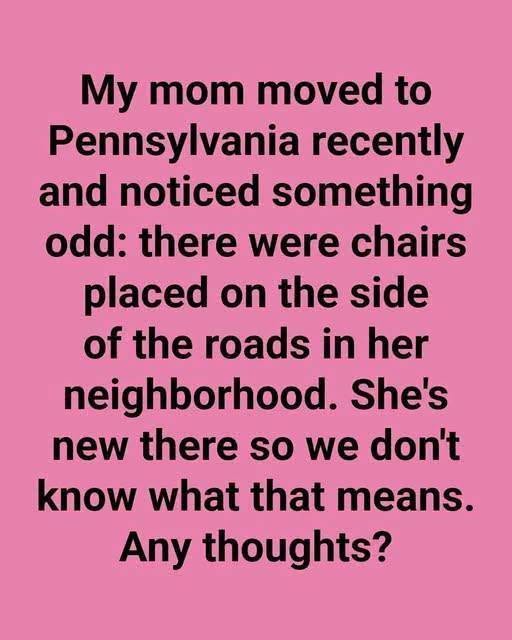
A single plastic chair sitting in the middle of a snow-covered street might seem completely ordinary, but in Pittsburgh it has the power to spark heated arguments—or strengthen the bonds between neighbors. Every winter, after powerful snowstorms blanket the city, familiar streets become a landscape of towering snowbanks, icy sidewalks, and buried vehicles. What outsiders often dismiss as abandoned furniture is, to many longtime residents, a symbol of hours spent shoveling, scraping ice, and battling freezing temperatures. In a city shaped by harsh winters, that simple chair represents far more than a place to park—it represents effort, respect, and an unwritten tradition that has survived for generations.
When a major snowfall hits Pittsburgh, digging out a parked car is no small task. Residents often spend hours clearing heavy snow by hand, breaking through frozen ice, and creating enough space to move their vehicles safely. The work is physically exhausting, especially during bitterly cold mornings when every shovel full feels heavier than the last. After finally freeing a parking spot through sheer determination, many people place a chair, traffic cone, bucket, or another everyday object in the space as a quiet signal that they earned it. It is less about claiming ownership of public property and more about asking neighbors to recognize the effort that went into creating that space.
Legally, those objects do not reserve parking spaces, and city officials have often reminded residents that public streets belong to everyone. Even so, the custom continues because it is rooted less in law than in mutual understanding. Many Pittsburgh residents see the chair as an unwritten agreement between neighbors—a simple acknowledgment that someone spent hours working in freezing conditions and deserves a little consideration before losing that hard-earned spot the moment they drive away. For those who have experienced countless snowy winters, respecting the chair feels like respecting the person behind it.
To newcomers and visitors, however, the tradition can be confusing or even frustrating. They see an empty public parking space blocked by an old lawn chair or a worn-out cooler and assume someone is trying to claim something that doesn’t belong to them. Without knowing the history behind the practice, the objects appear to be little more than clutter scattered across the street. That difference in perspective has led to countless debates, neighborhood disagreements, and even the occasional confrontation between people who view the same chair in completely different ways.
For longtime residents, though, the chair carries emotional weight that goes beyond parking. It reflects the challenges of living through long, unforgiving winters where every cleared driveway and parking space requires patience, strength, and perseverance. It also represents the idea that communities function best when neighbors recognize one another’s efforts, even when no formal rule requires them to do so. In many neighborhoods, respecting someone’s parking chair has become an act of courtesy rather than obligation—a small gesture that helps preserve goodwill during the most difficult weeks of winter.
Of course, not everyone believes the tradition should continue. Some argue that public streets should remain available to anyone, regardless of who shoveled the snow. Others believe the custom creates unnecessary conflict and encourages people to treat public spaces like private property. Every winter, the debate returns alongside the snow, with residents divided over whether the chairs symbolize community respect or outdated entitlement. Despite the disagreements, the tradition refuses to disappear, passed from one snowy season to the next as naturally as the storms themselves.
Year after year, when the first major snowfall covers Pittsburgh, the familiar chairs quietly reappear along residential streets. They may be made of plastic, metal, or even old wooden furniture, but together they tell a story far bigger than the objects themselves. They speak of neighbors waking before dawn to shovel frozen sidewalks, of families helping one another dig out cars, and of communities trying to balance fairness with compassion. To outsiders, they may still look like random pieces of furniture left in the road. To many Pittsburgh residents, however, they remain enduring symbols of resilience, shared hardship, and the simple belief that hard work deserves at least a little respect when winter is at its worst.