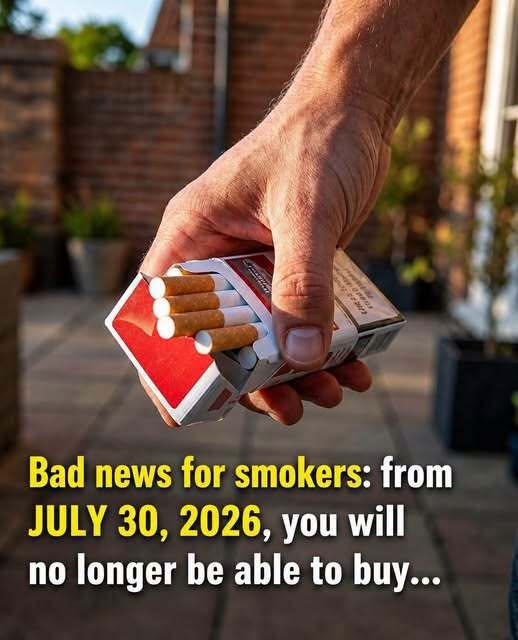
As cigarette prices continue to climb in France, many smokers are feeling the impact every time they reach the checkout. For some, the steadily increasing cost has become a reason to cut back or quit altogether, while others view it as another strain on already tight household budgets. Behind the price printed on every packet is a tax policy designed not only to generate public revenue but also to influence smoking behavior through higher costs.
The retail price of tobacco products in France follows a regulated system rather than being determined solely by market competition. Tobacco manufacturers submit proposed retail prices for their products, taking into account production expenses, transportation, packaging, distribution, and business considerations. Once the relevant authorities approve those prices, they become standardized nationwide, meaning consumers generally pay the same official price regardless of whether they purchase cigarettes in a major city or a smaller town.
Although manufacturers and retailers receive a share of the final sale price, a substantial portion consists of government taxes. Excise duties and value-added tax (VAT) account for much of the amount consumers ultimately pay, making taxation one of the primary factors behind the high retail cost of cigarettes. This structure reflects a long-standing public health approach that seeks to discourage tobacco use while generating revenue that can help support public services, including healthcare.
Over the past several years, French authorities have gradually increased tobacco taxes as part of broader efforts to reduce smoking rates. By making cigarettes progressively more expensive, policymakers aim to encourage smokers to reduce consumption or quit entirely, particularly among younger people who may be more sensitive to price increases. Public health experts have often identified higher tobacco prices as one of several measures that can contribute to lower smoking rates, although individual responses vary.
For smokers, these regular price increases can have significant financial consequences over time, especially for those who purchase cigarettes daily. At the same time, the policy continues to generate debate. Supporters argue that higher prices help improve public health by reducing tobacco consumption, while critics contend that the increases place a heavier financial burden on people who continue to smoke and may encourage cross-border purchases or illicit tobacco sales.
Ultimately, the price of a pack of cigarettes in France reflects more than manufacturing costs alone. It represents the intersection of taxation, public health policy, economic priorities, and consumer behavior. As tobacco prices continue to evolve, the discussion is likely to remain focused on balancing government revenue, efforts to reduce smoking-related illness, and the financial impact these policies have on individuals who continue to use tobacco products.