Most of us glance at our hands countless times throughout the day without giving them a second thought. Our fingernails are often seen as nothing more than something to trim, paint, or maintain for appearance, yet they can reveal far more than many people realize. Beneath their simple appearance, nails often reflect changes happening inside the body, quietly recording periods of illness, nutritional imbalance, stress, and other health-related events. Paying closer attention to subtle differences in your nails may help you notice changes worth discussing with a healthcare professional before they become more obvious elsewhere in the body.
The human body constantly communicates through a wide variety of signals, but many of those messages are easy to overlook. Cosmetic routines often encourage people to file away ridges, cover discoloration with polish, or focus only on appearance rather than underlying health. While nail changes are not a reliable way to diagnose medical conditions on their own, they can sometimes provide useful clues. Instead of viewing nails purely as cosmetic features, it’s helpful to think of them as one small part of the body’s larger picture—structures that occasionally reflect what’s happening beneath the surface.
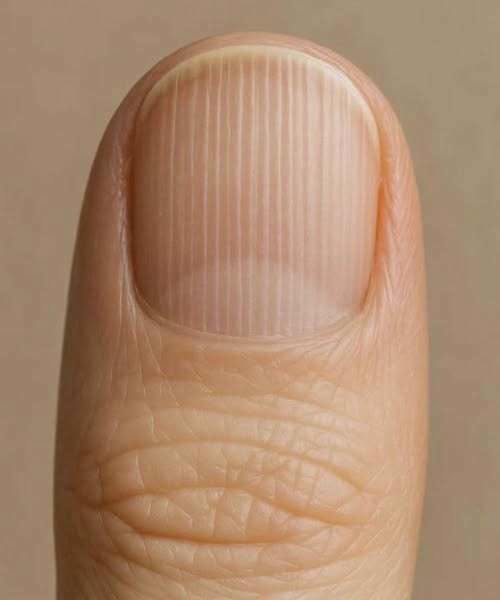
One of the most common changes people notice is the appearance of vertical ridges running from the base of the nail toward the tip. In many cases, these longitudinal ridges are a normal part of aging and become more noticeable over time as nail growth naturally changes. However, in some situations, more pronounced ridging may also occur alongside nutritional deficiencies or other health concerns. Healthy nail growth depends on an adequate supply of nutrients, including iron, certain B vitamins, protein, and other essential minerals. When the body lacks important nutrients, it naturally prioritizes vital organs and essential functions, while tissues such as hair and nails may show subtle changes. Although vertical ridges alone are usually harmless, they can sometimes serve as a reminder to consider whether overall nutrition and general health are being adequately supported.
Horizontal grooves, commonly known as **Beau’s lines**, represent a different type of nail change altogether. Unlike vertical ridges, these shallow depressions typically develop when nail growth temporarily slows or stops because the body has experienced a significant physical stress. Severe illness, major surgery, high fever, certain medications, serious injuries, or other substantial physiological challenges can interrupt the normal production of the nail. Once growth resumes, a visible groove remains behind. Because fingernails grow gradually over several months, Beau’s lines can sometimes provide a rough timeline indicating when that stressful event occurred. They serve as a physical reminder that the body temporarily redirected its energy toward recovery before returning to normal growth.
The appearance of these lines does not necessarily indicate that an active medical problem is still present. In many cases, they simply reflect a past event from which the body has already recovered. Nevertheless, noticing changes like these can encourage people to reflect on recent illnesses, prolonged stress, significant life events, or nutritional habits that may have affected their overall well-being. Looking at nails in this broader context can shift attention away from purely cosmetic concerns and toward a more thoughtful awareness of general health.
At the same time, it is important not to draw conclusions based solely on nail appearance. Nail changes should always be interpreted alongside other symptoms and evaluated within the context of an individual’s overall health. Sudden or severe nail abnormalities—such as significant discoloration, persistent pitting, unusual thickening, separation from the nail bed, or changes accompanied by fatigue, weight loss, or other concerning symptoms—deserve evaluation by a qualified healthcare professional. A physician can determine whether additional testing, such as blood work or other examinations, is appropriate. Self-diagnosing based only on nail appearance can easily lead to unnecessary worry or missed medical conditions.
Supporting healthy nails begins with supporting the body as a whole. Because nails grow from living tissue beneath the skin, their condition depends heavily on overall nutrition. Eating a balanced diet that includes lean proteins, fruits, vegetables, whole grains, healthy fats, and essential vitamins and minerals provides the building blocks needed for normal nail growth. Staying well hydrated is also important, as dehydration may contribute to dry, brittle nails in some people. In addition, limiting prolonged exposure to harsh cleaning chemicals and wearing protective gloves during household chores can help reduce external damage that weakens the nails over time.
Good nail care also includes gentle grooming habits. Avoiding excessive buffing, minimizing unnecessary trauma, keeping nails clean and properly trimmed, and using moisturizing creams or oils around the nails and cuticles may help maintain their strength and flexibility. While cosmetic products can improve appearance, they should never replace attention to overall health, since healthy nails are built from the inside out rather than created by surface treatments alone.
Ultimately, fingernails serve purposes that extend far beyond helping us pick up objects or type on a keyboard. They continually grow, quietly reflecting aspects of our body’s ongoing maintenance and recovery processes. Although they cannot provide definitive medical answers by themselves, they can occasionally offer valuable clues that encourage greater awareness of our health. By taking the time to notice meaningful changes, maintaining healthy lifestyle habits, and seeking professional advice when something appears unusual, we become more attentive to the body’s natural signals. The next time you look at your hands, remember that your nails are more than simple cosmetic features—they are small but fascinating indicators of the remarkable ways your body adapts, heals, and communicates throughout your life.