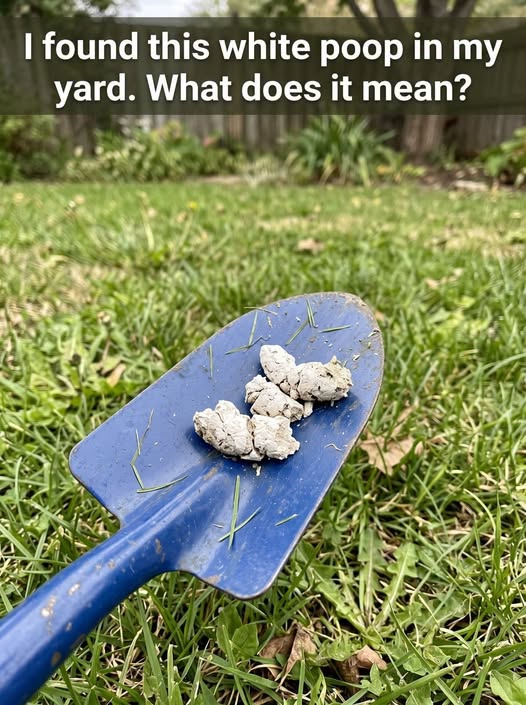
The first time you notice it, your heart sinks. During what should have been an ordinary walk, your dog squats, and instead of the familiar brown stool, you’re staring at something pale, dry, or even chalky white. Your mind immediately races through endless possibilities. Did they eat something unusual? Could it be a harmless dietary change, or is it a sign of a serious health problem? Suddenly, every trip outside becomes an anxious inspection, and every small change in your dog’s behavior feels impossible to ignore.
While seeing white or pale-colored stool can certainly be alarming, it doesn’t always mean there’s an emergency. In many cases, the cause is surprisingly simple. Dogs that regularly chew on large bones or consume treats rich in bone meal can take in excessive amounts of calcium. When that happens, the stool may become dry, hard, and chalky white. This is especially common among dogs fed raw diets that contain large quantities of edible bone. If your dog otherwise appears healthy, reducing bone intake and providing a more balanced diet may allow stool color and consistency to return to normal within a few days.
Certain commercial treats and specialty foods can also contribute to changes in stool color. Some products contain added calcium, mineral supplements, or bone-derived ingredients that influence both the appearance and texture of your dog’s waste. Reading ingredient labels carefully and monitoring any dietary changes can help identify whether a new food or treat is responsible. If the color change began shortly after introducing something different into your dog’s diet, discussing those products with your veterinarian may help determine whether an adjustment is needed.
Hydration also plays an important role. Dogs consuming excessive calcium without adequate water intake may develop stools that are not only pale but also unusually hard and difficult to pass. Ensuring constant access to fresh water and providing a balanced diet appropriate for your dog’s age, breed, and activity level can often help support healthy digestion and more normal bowel movements.
However, not every case of pale or white stool is related to diet. In some situations, unusually light-colored feces may indicate that insufficient bile is reaching the intestines. Bile, produced by the liver and stored in the gallbladder, helps give stool its normal brown color while playing an essential role in digestion. Conditions affecting the liver, gallbladder, bile ducts, or pancreas can interfere with this process, leading to stool that appears gray, pale, or almost white. Although these conditions are less common than dietary causes, they require prompt veterinary evaluation.
Parasites may also contribute to abnormal stool appearance in some cases. Certain intestinal infections can alter digestion and stool consistency, while severe infestations may produce additional symptoms such as diarrhea, weight loss, bloating, or poor coat condition. Routine fecal examinations performed by your veterinarian can help detect parasites that may not be visible to the naked eye and allow treatment to begin before more serious complications develop.
Medications are another possible factor. Some drugs, supplements, or digestive treatments can temporarily affect stool color or consistency as the body adjusts. If your dog recently started a new medication and you notice unusual changes, contact your veterinarian rather than stopping the medication on your own. They can determine whether the change is an expected side effect or whether further evaluation is necessary.
Equally important is paying attention to your dog’s overall condition. A single episode of pale stool in an otherwise healthy, energetic dog may not indicate a serious problem. But if the unusual color continues for more than a day or two—or is accompanied by vomiting, diarrhea, lethargy, abdominal pain, loss of appetite, fever, jaundice, or unexplained weight loss—it should not be ignored. These additional signs may point to an underlying medical condition that requires professional diagnosis and treatment.
If you decide to contact your veterinarian, gathering as much information as possible can be extremely helpful. Take note of when the color change began, any recent changes in diet, treats, medications, or supplements, and whether your dog may have chewed on bones or unusual objects. Bringing a fresh stool sample to the appointment can also assist with diagnostic testing if your veterinarian recommends it.
Ultimately, your dog’s stool provides valuable insight into their digestive health. While white or chalky stool is often caused by something as simple as excess calcium from bones, it can occasionally signal conditions affecting the liver, gallbladder, or digestive system that deserve prompt attention. Trusting your instincts, observing changes carefully, and seeking veterinary advice when something doesn’t seem right are some of the most important steps any pet owner can take. After all, no one knows your dog’s normal behavior better than you—and sometimes noticing one unusual change is exactly what helps protect their health.