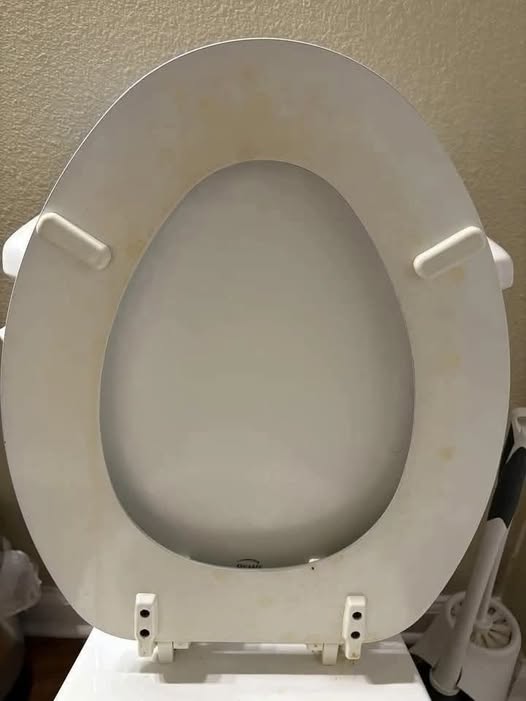
That stubborn yellow ring around your toilet seat is more than just an eyesore. It can make an otherwise clean bathroom feel neglected, no matter how much time you’ve spent scrubbing. Many people know the feeling of giving the toilet one more quick wipe before guests arrive, hoping the discoloration somehow disappears. You reach for bleach, scrub harder, and wonder why the stains seem determined to stay. The good news is that they usually aren’t permanent. With the right approach and a little patience, even years of buildup can often be removed.
The first step is understanding what you’re actually cleaning. Yellow stains don’t usually come from a single source. Instead, they develop gradually as minerals from hard water, urine residue, soap scum, mildew, and everyday dirt combine over time. Each layer adds to the discoloration, making ordinary cleaning products seem less effective. Once you recognize what causes the stains, choosing the right cleaning method becomes much easier.
For newer stains, a simple combination of baking soda and white vinegar can often produce impressive results. Sprinkle baking soda generously over the stained areas before slowly adding vinegar. The gentle fizzing reaction helps loosen surface buildup while the baking soda acts as a mild abrasive. Allow the mixture to sit for fifteen to twenty minutes before scrubbing with a toilet brush or non-abrasive sponge. In many cases, this natural method is enough to restore much of the surface’s original appearance.
Older, more stubborn stains may require a stronger solution. Hydrogen peroxide is often recommended because it helps break down discoloration while also disinfecting the surface. Soak paper towels with hydrogen peroxide and lay them directly over the stained areas, allowing them to remain in place for thirty minutes to an hour. This gives the solution time to penetrate the buildup before scrubbing. For particularly difficult stains, repeating the process several times may gradually lift discoloration that ordinary cleaners fail to remove.
Many homeowners also swear by melamine foam cleaning sponges, commonly known as Magic Erasers. These sponges work through gentle abrasion rather than harsh chemicals, making them especially effective on plastic toilet seats that have developed stubborn surface stains. Using light pressure, they can often remove marks that have resisted multiple cleaning attempts. As with any abrasive cleaner, it’s a good idea to test a small, inconspicuous area first to ensure it won’t damage the finish.
Of course, cleaning the visible parts of the toilet is only part of the job. Some of the dirtiest areas are the ones most people rarely inspect. The hinges where the seat attaches, the underside of the seat, the bolts securing it in place, and the narrow gaps around the base often collect dust, moisture, bacteria, and grime over months or even years. These hidden areas can contribute to unpleasant odors and make the entire bathroom feel less clean, even if the bowl itself is spotless.
A small toothbrush or detail-cleaning brush can make a huge difference when tackling these hard-to-reach spaces. Combined with an all-purpose bathroom cleaner or disinfectant, it allows you to remove dirt trapped inside tiny crevices that larger brushes simply can’t reach. Taking just a few extra minutes to clean these overlooked areas often has a surprisingly noticeable impact on the overall appearance and freshness of the bathroom.
Don’t forget the surrounding floor, baseboards, and walls near the toilet either. Tiny splashes, dust, and moisture naturally accumulate around the base over time, particularly in busy households. Wiping these surfaces regularly with a disinfecting cleaner helps eliminate hidden grime and keeps the entire area looking brighter. Even replacing old caulking around the base, if necessary, can dramatically improve the room’s appearance.
Prevention is often easier than deep cleaning. A quick weekly routine—wiping down the seat, disinfecting the handle, brushing the bowl, and cleaning around the base—helps prevent stains from becoming deeply embedded. Addressing small amounts of buildup before they harden can save hours of scrubbing later. Regular maintenance also helps reduce odors and keeps the bathroom consistently fresh.
In some cases, however, no amount of cleaning will completely restore an older toilet seat. Plastic can become permanently stained or discolored after years of use, especially when exposed to harsh cleaning chemicals or mineral-rich water. Fortunately, replacement seats are relatively inexpensive and easy to install, making them a practical option if cleaning no longer delivers satisfying results.
A clean bathroom isn’t about perfection—it’s about creating a space that feels fresh, comfortable, and well cared for. Knowing which products to use, understanding what causes stubborn stains, and maintaining a simple weekly cleaning routine can transform one of the most dreaded household chores into something much more manageable. Sometimes the smallest improvements, like finally removing that stubborn yellow stain, make the biggest difference in how your home feels every day.