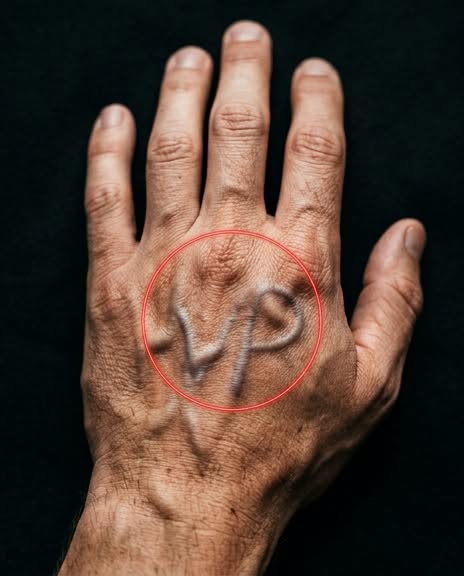
Seeing your veins suddenly become more noticeable can be surprising—and for many people, a little unsettling. One day your hands, arms, or legs appear completely normal, and the next, veins seem larger, darker, or more visible than ever before. It’s natural to wonder whether this is simply a normal part of aging, the result of weight loss or exercise, or a warning sign that something more serious may be happening inside your body. While visible veins are often harmless, understanding why they appear can help ease unnecessary worry and make it easier to recognize when medical attention may be needed.
In many cases, prominent veins are a perfectly normal result of changes in the body. People with lower body fat naturally have less tissue covering their veins, making them easier to see beneath the skin. Individuals who have recently lost weight may notice the same effect, even if nothing else about their health has changed. Athletes and people who exercise regularly often develop more noticeable veins because increased muscle definition and improved circulation push blood vessels closer to the skin’s surface. For these individuals, visible veins are usually considered a normal physical characteristic rather than a medical concern.
Temperature can also play an important role in how visible your veins become. During warm weather or after spending time in a hot shower, sauna, or outdoors, blood vessels naturally expand to help the body release excess heat. As the veins widen, they may temporarily appear larger and more noticeable than usual. Likewise, after physical activity, your muscles demand more oxygen-rich blood, causing veins to enlarge while your circulation increases. Once your body cools down and returns to a resting state, those veins often become much less noticeable again.
Hormonal changes may also influence the appearance of veins. Pregnancy, menopause, puberty, and certain hormonal medications can affect blood flow and the elasticity of blood vessels. Some people notice that their veins become more prominent during these periods before gradually returning to their usual appearance. These changes are often temporary and reflect the body’s normal response to shifting hormone levels rather than a serious underlying condition.
As people grow older, changes in the skin itself often make veins easier to see. Over time, the skin naturally becomes thinner and loses some of the collagen and fatty tissue that once covered blood vessels. Because of this, veins that have always existed beneath the surface gradually become more visible, particularly on the hands, forearms, feet, and lower legs. Although this change may seem sudden, it is often a normal part of the aging process and does not necessarily indicate poor health or circulation problems.
Despite these common explanations, there are situations in which newly visible veins deserve closer attention. If veins become dramatically enlarged without any obvious reason, or if the change is accompanied by pain, tenderness, swelling, warmth, or redness, it could signal an underlying circulation problem that should not be ignored. Twisted, bulging veins may indicate varicose veins, while painful, inflamed veins could point to a condition known as superficial thrombophlebitis. Although many vein conditions are treatable, early evaluation can help prevent complications and provide appropriate treatment when necessary.
The location of visible veins can also provide important clues. Veins that suddenly become very noticeable across the chest, abdomen, or other unusual areas are less common and may require medical assessment, particularly if they appear together with swelling, unexplained weight loss, shortness of breath, or persistent discomfort. These symptoms do not automatically mean something serious is wrong, but they should be evaluated by a healthcare professional to determine the underlying cause.
If you are unsure whether changes in your veins are normal, paying attention to other symptoms can be helpful. Ask yourself whether the veins appeared after exercise, weight loss, or exposure to heat, or whether they developed unexpectedly without any clear explanation. Also consider whether they are painful, swollen, or associated with changes in skin color. These details can help your healthcare provider determine whether the changes are part of normal body processes or whether additional testing may be appropriate.
Most importantly, remember that visible veins alone are often nothing to fear. For many people, they simply reflect healthy circulation, physical fitness, natural aging, or changes in body composition. However, if their appearance changes rapidly, becomes uncomfortable, or is accompanied by other concerning symptoms, seeking medical advice is the safest course of action. A healthcare professional can evaluate your symptoms, provide reassurance when everything is normal, and identify any conditions that may benefit from early treatment. Understanding your body—and responding thoughtfully to changes—is one of the best ways to protect your long-term health.