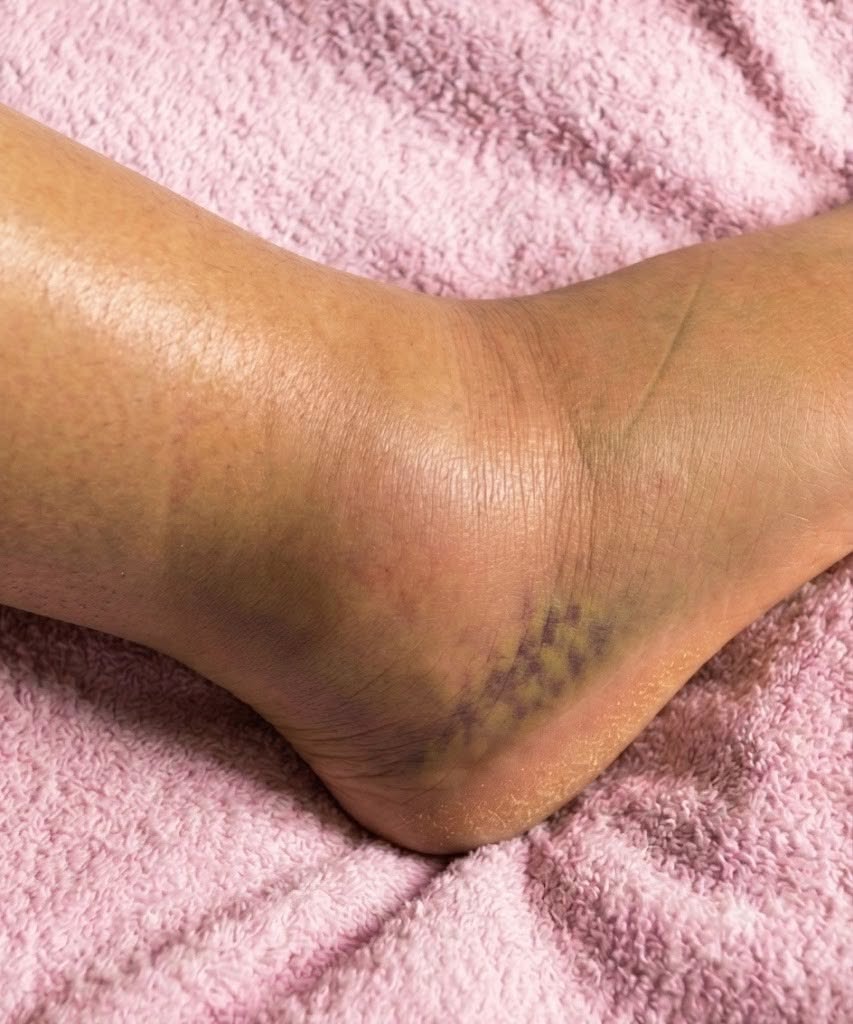
Many people notice swelling around their ankles or lower legs after a long day and assume it is nothing more than fatigue. In many cases, that may be true. However, persistent or unusual swelling can sometimes be an important warning sign that something deeper is affecting the body’s ability to regulate fluids or maintain healthy circulation. Understanding when swollen legs are harmless and when they may require medical attention can make a significant difference to your overall health.
Swelling in the legs and ankles, known medically as edema, occurs when excess fluid collects in the body’s tissues. Temporary swelling may develop after standing or sitting for long periods, during hot weather, or even after strenuous activity. While these situations are often harmless, swelling that lasts, repeatedly returns, or worsens over time should not be ignored. Persistent edema can sometimes indicate an underlying medical condition that deserves proper evaluation by a healthcare professional.
One common cause of ongoing leg swelling is poor circulation. When veins have difficulty returning blood from the legs back to the heart, fluid may begin accumulating in the lower limbs. This can leave the legs feeling heavy, tight, or tired, especially after long periods of standing. Age, inactivity, obesity, and prolonged sitting can all contribute to circulation problems that gradually become more noticeable over time.
Diet can also play an important role in fluid retention. Consuming large amounts of sodium causes the body to hold onto extra water, leading to swelling in the ankles, feet, and lower legs. Many processed foods, canned products, fast food meals, and packaged snacks contain surprisingly high levels of salt. Reducing sodium intake, drinking enough water, and maintaining a balanced diet can often help improve mild fluid retention in otherwise healthy individuals.
Another frequent cause of swollen legs is chronic venous insufficiency, often associated with varicose veins. Healthy veins contain valves that help move blood upward toward the heart. When those valves weaken, blood can collect in the legs instead of flowing efficiently. This may cause enlarged, twisted veins along with aching, heaviness, swelling, itching, or discomfort that becomes worse after standing for extended periods.
In some cases, swelling in both legs may be linked to medical conditions affecting major organs. Heart failure can reduce the heart’s ability to pump blood effectively, allowing fluid to accumulate in the legs and feet. Kidney disease may interfere with the body’s ability to remove excess fluid and waste products, while liver disease can alter protein levels that help regulate fluid balance throughout the body. When swelling occurs alongside symptoms such as shortness of breath, unusual fatigue, chest discomfort, abdominal swelling, or swelling around the eyes, prompt medical evaluation is important.
One of the most urgent causes of sudden leg swelling is a condition known as deep vein thrombosis, or DVT. This occurs when a blood clot forms in a deep vein, usually in one leg. Unlike many other causes of swelling, DVT often affects only one leg and may be accompanied by pain, warmth, redness, or tenderness. Because a clot can travel to the lungs and cause a life-threatening pulmonary embolism, anyone experiencing these symptoms should seek emergency medical care immediately.
Certain medications may also contribute to swelling. Some blood pressure medicines, anti-inflammatory drugs, hormone therapies, and other prescription medications can cause fluid retention as a side effect. Pregnancy, hormonal changes, and injuries to the leg or ankle may also temporarily increase swelling. If swelling develops soon after starting a new medication or following an injury, discussing the symptoms with a healthcare provider is advisable.
It is helpful to pay attention to patterns. Swelling that improves overnight after elevating the legs may be less concerning than swelling that persists despite rest. If one leg is significantly larger than the other, if the skin becomes discolored or painful, or if swelling continues to recur without an obvious explanation, medical evaluation is recommended. Early diagnosis can often identify treatable conditions before they become more serious.
Although swollen legs are not always a sign of a dangerous illness, they should never be dismissed automatically. Your body often provides early clues when something is not functioning as it should. Recognizing those signals and seeking appropriate medical advice when symptoms persist can help identify circulation problems, heart disease, kidney disorders, liver conditions, or blood clots before complications develop. Paying attention to changes in your body is one of the most important steps you can take toward protecting your long-term health.