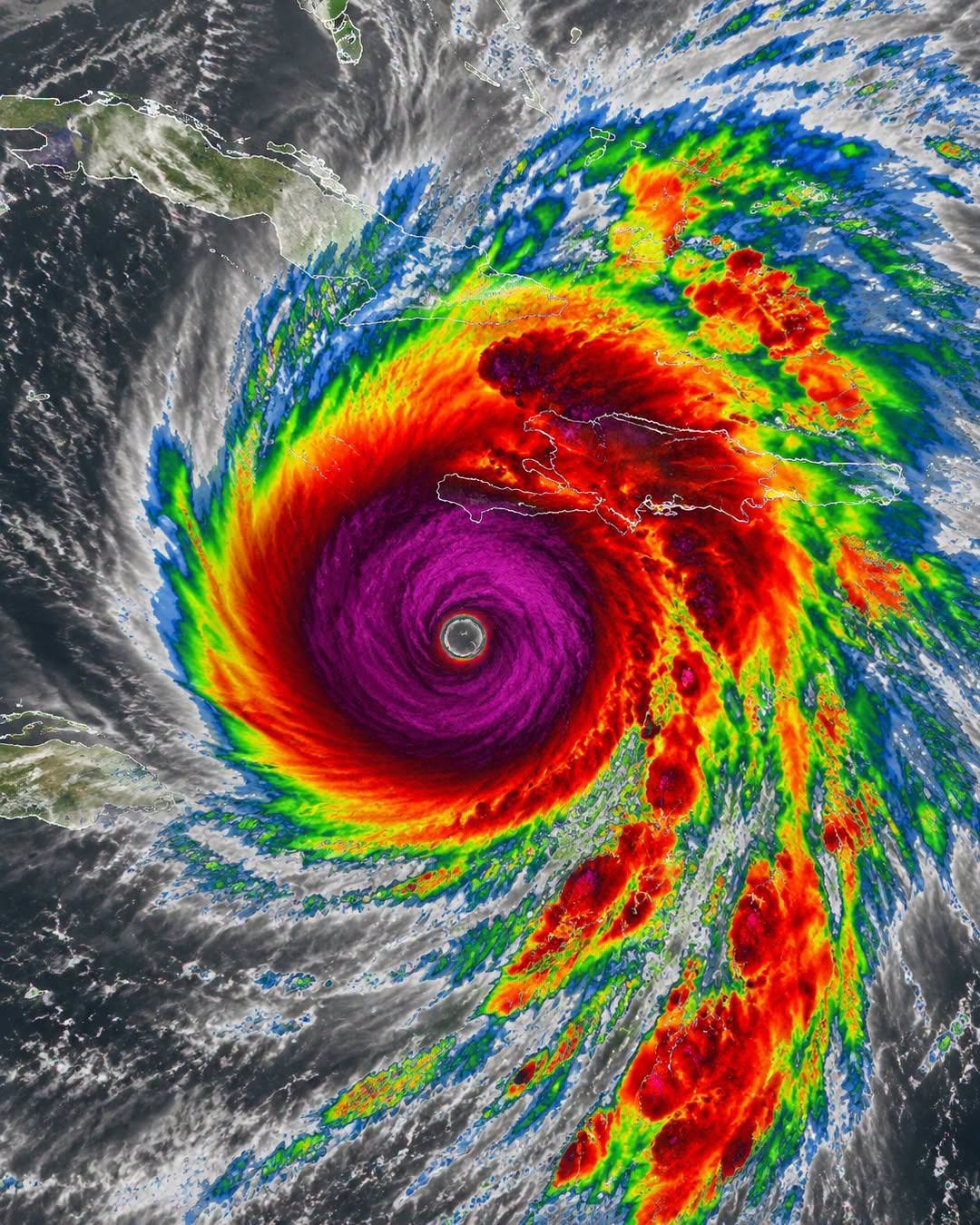
The headlines can sometimes make it feel as though the world is changing faster than we can process. Severe weather threatens communities, tragic accidents leave families grieving, and international tensions dominate the news cycle. While these events may seem unrelated, they all serve as reminders that life can change unexpectedly. Staying informed, preparing for emergencies, and supporting one another are far more productive responses than giving in to fear.
Across many parts of the world, meteorologists continue to monitor powerful storm systems that have the potential to bring destructive winds, heavy rainfall, flooding, and dangerous storm surges. Advances in forecasting have made it possible to provide earlier warnings than ever before, giving families valuable time to prepare. Emergency officials encourage residents in areas at risk to pay close attention to local forecasts, review evacuation routes, assemble emergency supplies, and follow official guidance if evacuation orders are issued.
Preparing for severe weather does not require panic—it requires planning. A well-stocked emergency kit should include drinking water, non-perishable food, flashlights, extra batteries, medications, first-aid supplies, important documents stored in waterproof containers, portable phone chargers, and supplies for pets if needed. Families should also establish a communication plan so everyone knows where to meet and how to stay in contact if normal communication networks become disrupted.
Natural disasters remind us that communities are strongest when neighbors help one another. Checking on elderly residents, assisting individuals with disabilities, sharing accurate information, and volunteering during recovery efforts often make an enormous difference. While emergency responders play a vital role, community resilience frequently begins with ordinary people helping those around them before, during, and after a crisis.
At the same time, tragic accidents continue to remind us how fragile everyday life can be. Whether involving schools, highways, workplaces, or public spaces, serious transportation accidents affect entire communities. Beyond the immediate physical injuries, these events often leave lasting emotional impacts on survivors, families, first responders, teachers, classmates, and neighbors. Recovery extends far beyond repairing damaged vehicles or infrastructure; it involves counseling, community support, and time for healing.
When tragedies occur, first responders—including firefighters, police officers, emergency medical personnel, nurses, and physicians—often work under extraordinarily difficult conditions. Their rapid response helps save lives, provide medical care, and support families during some of the most difficult moments they will ever experience. Communities frequently come together afterward through memorials, charitable support, and long-term recovery programs that help those affected rebuild their lives.
Beyond local events, international developments also influence the sense of uncertainty many people feel. Diplomatic relationships between nations can affect global security, trade, energy markets, and economic stability. Negotiations involving countries such as the United States and Iran often receive significant attention because of their potential regional and international consequences. While disagreements between governments may generate concern, diplomatic discussions, international cooperation, and ongoing negotiations remain important tools for reducing tensions and avoiding conflict.
Because international situations evolve quickly, it is helpful to rely on information from established news organizations and official government statements rather than rumors circulating on social media. Sensational headlines often emphasize worst-case scenarios, while responsible reporting typically provides important context about ongoing diplomatic efforts, policy decisions, and developments as they occur.
Modern technology allows information to spread almost instantly, but it also allows misinformation to travel just as quickly. During emergencies, verifying information before sharing it is one of the most valuable contributions anyone can make. Official weather services, emergency management agencies, local authorities, and reputable news organizations remain the most reliable sources for updates during rapidly changing situations.
Although constant exposure to alarming news can increase stress and anxiety, staying informed does not require consuming every headline. Mental health experts often recommend balancing awareness with healthy boundaries by limiting continuous news consumption, taking breaks from social media, spending time outdoors, maintaining regular routines, and focusing on practical actions that are within your control.
Preparedness extends beyond emergency supplies. It also includes maintaining adequate insurance coverage, keeping emergency contacts updated, learning basic first aid and CPR, creating family communication plans, and understanding local emergency procedures. These simple preparations provide reassurance regardless of whether the challenge comes from severe weather, power outages, transportation disruptions, or other unexpected events.
Communities that recover most effectively from crises often share one important characteristic: strong social connections. Neighbors who know one another are more likely to check on vulnerable residents, share resources, exchange accurate information, and provide emotional support during difficult times. Building those relationships before emergencies occur strengthens everyone’s ability to respond when challenges arise.
History repeatedly demonstrates that while disasters and tragedies test communities, they also reveal extraordinary compassion, resilience, and generosity. Volunteers organize relief efforts, healthcare workers provide lifesaving care, utility crews restore essential services, teachers support grieving students, and countless individuals step forward to help complete strangers. These acts of kindness often receive far less attention than the disasters themselves, yet they play an equally important role in recovery.
Ultimately, uncertainty is an unavoidable part of life. We cannot prevent every storm, accident, or international disagreement, but we can choose how we prepare and how we respond. Remaining informed through reliable sources, planning ahead for emergencies, supporting our communities, and approaching challenges with calm rather than panic allows us to navigate difficult times more effectively.
The world will continue to face natural disasters, unexpected tragedies, and complex global issues. By focusing on preparation, accurate information, and compassion for one another, we strengthen not only our own resilience but also the resilience of the communities around us. In uncertain times, knowledge, planning, and cooperation remain some of the most powerful tools we have.