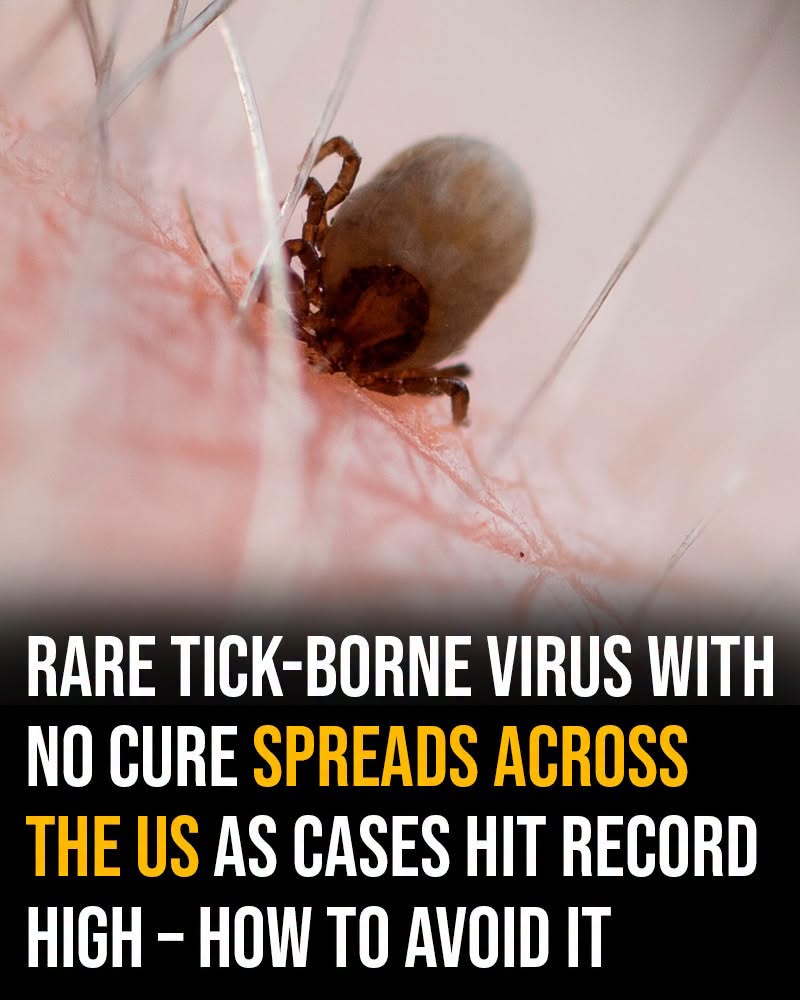
Health experts across the United States are urging the public to pay closer attention to an uncommon but potentially serious tick-borne illness that has been appearing more frequently in recent years. While most people associate tick bites with Lyme disease, another virus is quietly attracting the attention of infectious disease specialists because of its ability to affect the brain and nervous system. Although infections remain rare, the number of reported cases has steadily increased, prompting renewed efforts to educate the public about prevention and early recognition.
The virus, known as **Powassan virus**, is transmitted through the bite of infected ticks. Unlike some other tick-borne illnesses, which may require many hours before transmission occurs, researchers have found that Powassan virus may be passed to a person relatively quickly after an infected tick attaches. This shorter transmission window highlights the importance of avoiding tick bites whenever possible rather than relying solely on removing ticks after outdoor activities.
One of the challenges with Powassan virus is that many infected people never develop symptoms. Those who do become ill may not notice anything unusual for days or even weeks after the bite. When symptoms appear, they often begin with fever, headache, fatigue, muscle weakness, nausea, or vomiting. Because these early signs resemble many common viral illnesses, the infection can be difficult to recognize during its initial stages.
In more severe cases, however, the virus can spread to the brain or the tissues surrounding it, leading to serious neurological complications. Individuals may experience confusion, difficulty speaking, loss of coordination, seizures, or decreased consciousness. These symptoms require immediate medical attention, as inflammation of the brain can become life-threatening without prompt supportive treatment.
Unlike bacterial infections such as Lyme disease, Powassan virus cannot be treated with antibiotics. At present, there is no specific antiviral medication approved to eliminate the virus. Medical care focuses on supporting the patient while the body’s immune system fights the infection. Hospital treatment may include intravenous fluids, medications to reduce swelling in the brain, breathing support if necessary, and careful monitoring by specialists.
Although most tick bites do not result in Powassan virus infection, health officials continue monitoring the situation because the virus has been identified in several regions where ticks are becoming increasingly common. Environmental factors, changing wildlife populations, and expanding tick habitats have all contributed to growing concern among researchers studying tick-borne diseases.
Doctors emphasize that awareness should not be confused with panic. Millions of people safely enjoy hiking, camping, gardening, and other outdoor activities every year. The key is taking practical precautions that greatly reduce the likelihood of tick bites. Wearing long sleeves and long pants in wooded or grassy areas, applying EPA-approved insect repellents, staying on cleared trails, and avoiding tall vegetation can all lower the risk of exposure.
After spending time outdoors, performing a thorough tick check is one of the most effective preventive measures. Carefully examining the scalp, behind the ears, under the arms, around the waist, behind the knees, and other hidden areas can help detect ticks before they remain attached for extended periods. Showering soon after returning indoors may also help remove unattached ticks before they have an opportunity to bite.
Parents are encouraged to check children carefully after outdoor play, while pet owners should remember that dogs and other animals can carry ticks into the home. Regular veterinary-approved tick prevention products can reduce this risk and help protect both pets and family members.
Medical experts also recommend seeking medical advice if unusual symptoms develop after a known tick bite or after spending time in areas where ticks are common. Although Powassan virus remains uncommon, early evaluation allows healthcare providers to rule out other tick-borne illnesses and monitor patients appropriately if neurological symptoms begin to appear.
Researchers continue working to better understand the virus, improve diagnostic testing, and explore future treatment options. Public health agencies also maintain surveillance programs to track new cases and educate communities about effective prevention strategies as tick populations continue to expand into new geographic regions.
Ultimately, the most effective defense against Powassan virus remains prevention. Simple habits such as using insect repellent, wearing protective clothing, checking for ticks, and removing them promptly can dramatically reduce the risk of tick-borne illnesses. By staying informed and taking sensible precautions, people can continue enjoying the outdoors while protecting themselves and their families from a disease that, although rare, deserves careful attention.