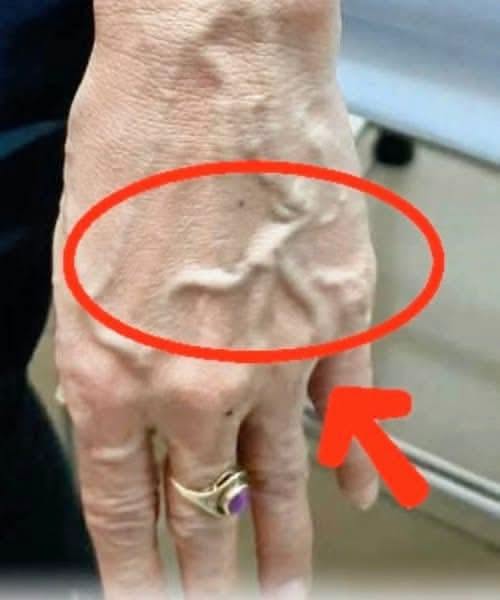
You notice thick, twisting blue veins becoming more visible across your legs and assume they are simply a cosmetic issue, a consequence of aging, exercise, or standing for too long. Many people dismiss these changes without giving them much thought. However, although varicose veins are often harmless, they can sometimes indicate that the veins are no longer moving blood as efficiently as they should. Understanding what causes them and recognizing when they require medical attention can help prevent future complications and protect your long-term vascular health.
Your veins play a critical role in returning oxygen-depleted blood from the body back to the heart. Because much of this blood must travel upward from the legs against gravity, the veins rely on tiny one-way valves that prevent blood from flowing backward. Every time your leg muscles contract while walking or moving, they help push blood upward through these vessels. When the valves become weakened or damaged, blood can begin to collect inside the veins instead of flowing normally, causing them to enlarge, twist, and become visible beneath the skin.
Not every visible vein is a cause for concern. After vigorous exercise or during hot weather, veins may temporarily appear larger because increased blood flow and muscle activity naturally expand them. In contrast, varicose veins develop when the vein walls lose strength and the valves no longer close properly. Age, family history, pregnancy, obesity, prolonged standing, and hormonal changes are among the most common factors that increase the likelihood of developing this condition.
Although many people consider varicose veins to be only a cosmetic problem, they may also be a sign of chronic venous insufficiency, a condition in which blood has difficulty returning efficiently to the heart. As pressure inside the veins continues to rise, symptoms such as aching legs, heaviness, throbbing, swelling around the ankles, or nighttime leg cramps may develop. Some individuals also notice itching, skin irritation, or a feeling of warmth around the affected veins.
As the condition progresses, changes in the surrounding skin may become more noticeable. The skin near the ankles may darken, become thicker, or feel tighter than usual. In more advanced cases, long-standing poor circulation can contribute to the development of venous ulcers, which are slow-healing wounds that require specialized medical care. While these complications are not common in everyone with varicose veins, they demonstrate why persistent symptoms should not be ignored.
Another important concern is the possibility of blood clots. Varicose veins themselves do not automatically lead to dangerous clots, but people with chronic venous disease may have a slightly increased risk of certain clotting conditions. If you suddenly develop significant swelling in one leg, severe pain, redness, warmth, or tenderness—particularly if these symptoms appear suddenly—you should seek immediate medical attention. These signs could indicate deep vein thrombosis (DVT), a condition that requires urgent evaluation because a clot can potentially travel to the lungs and cause a pulmonary embolism.
Fortunately, diagnosing vein problems is usually straightforward. Doctors often use a painless duplex ultrasound examination to assess blood flow and determine whether the valves inside the veins are functioning properly. Depending on the severity of the condition, treatment may include compression stockings, regular exercise, weight management, leg elevation, or minimally invasive procedures such as sclerotherapy, endovenous laser treatment, or radiofrequency ablation. These modern treatments are highly effective for many patients and often require little recovery time.
Preventing varicose veins—or slowing their progression—largely focuses on supporting healthy circulation. Regular walking and physical activity help the calf muscles pump blood back toward the heart. Avoid sitting or standing in the same position for prolonged periods, maintain a healthy body weight, elevate your legs whenever possible after long days, and avoid smoking, which damages blood vessels throughout the body. Wearing comfortable clothing that does not restrict circulation may also be beneficial.
Your body often provides early clues when something isn’t functioning properly. While varicose veins are common and frequently harmless, persistent pain, swelling, skin changes, or sudden worsening symptoms should be evaluated by a healthcare professional. Paying attention to these warning signs and seeking medical advice when necessary can help preserve healthy circulation, reduce the risk of complications, and keep your legs healthy and comfortable for years to come.