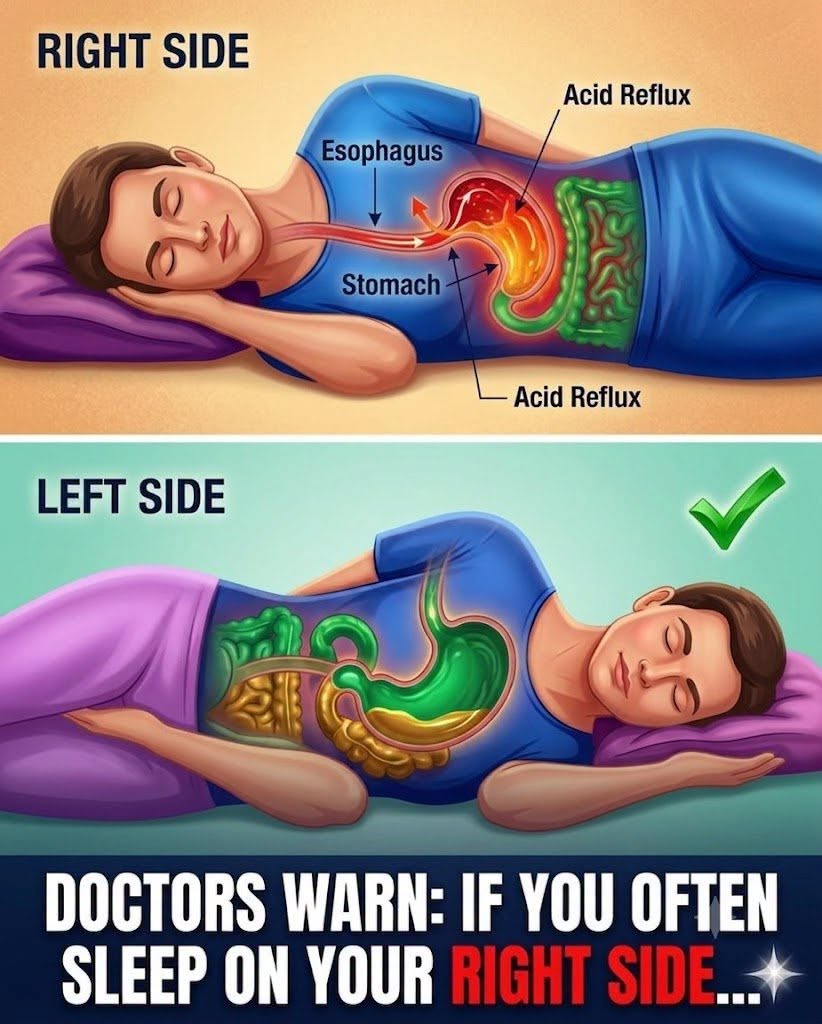
Although changing your sleeping position and adjusting your evening routine can make a meaningful difference, it is equally important to recognize when acid reflux is signaling a more serious medical condition. If your symptoms occur several times a week, regularly wake you from sleep, or continue despite lifestyle changes and over-the-counter remedies, it is time to seek professional medical advice. Persistent reflux can develop into gastroesophageal reflux disease (GERD), a condition that may lead to complications such as inflammation of the esophagus, narrowing of the esophageal passage, or changes in the lining of the esophagus that increase the risk of more serious health problems. Early evaluation and proper treatment can help prevent long-term damage while greatly improving your quality of life.
Small adjustments practiced consistently often produce the greatest results. Maintaining a healthy weight reduces pressure on the stomach, while avoiding tight-fitting clothing around the waist can minimize unnecessary compression that encourages acid to move upward. Reducing alcohol consumption, quitting smoking, and limiting large amounts of caffeine can further strengthen the lower esophageal sphincter, making it more effective at keeping stomach contents where they belong. Even something as simple as taking a short walk after dinner instead of lying on the couch can support digestion and lower the likelihood of nighttime discomfort.
Quality sleep and digestive health are deeply connected. Every night of uninterrupted rest allows your body to repair tissues, regulate hormones, strengthen your immune system, and prepare for the demands of the following day. When reflux repeatedly interrupts that process, the consequences extend far beyond a burning chest. Chronic sleep disruption can contribute to fatigue, reduced concentration, irritability, and lower overall well-being. By making thoughtful adjustments to your bedtime routine, you are not only protecting your esophagus—you are investing in your heart, brain, and long-term health.
Ultimately, relief from nighttime acid reflux rarely depends on a single miracle cure. Instead, it comes from combining several simple habits that work together: finishing dinner earlier, identifying trigger foods, sleeping on your left side, elevating your upper body if needed, and maintaining a healthy lifestyle. These practical strategies allow gravity and your body’s natural anatomy to work in your favor rather than against you. While medication remains important for many individuals under medical guidance, the small decisions you make every evening may have an even greater impact than you realize. Tonight, before you turn out the lights, remember that the position you choose to sleep in could determine whether you wake feeling refreshed—or spend another night battling the familiar burn of acid reflux.