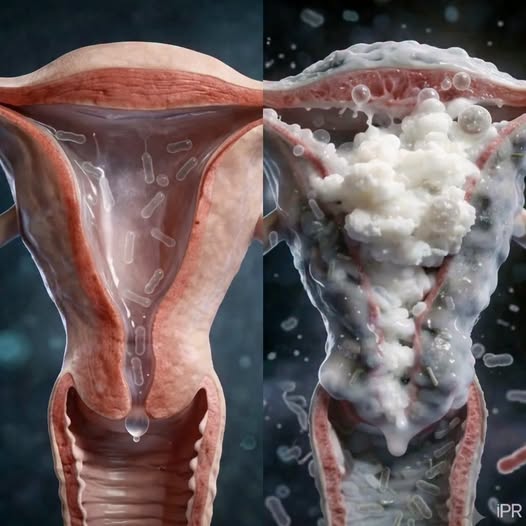
You may feel as though you know every habit your partner has. You recognize the way he leaves his shoes by the door, forgets to replace the toothpaste cap, skips the occasional shower after a long day, or insists he is perfectly healthy despite never visiting a doctor. These routines often seem harmless—just ordinary quirks that become part of everyday life together. But sometimes the smallest habits can have consequences that extend beyond simple inconvenience. Certain everyday behaviors, especially those related to hygiene, general health, and communication, can influence not only his own well-being but yours as well. What looks like a minor issue today can slowly contribute to recurring discomfort, frustration, or unnecessary health concerns if it is never addressed. Recognizing those patterns isn’t about criticizing your partner; it’s about understanding that shared health begins with shared responsibility.
The truth is that intimate well-being is rarely disrupted by one dramatic event. Much more often, it is shaped by dozens of small daily choices that accumulate over weeks, months, and years. Personal hygiene, nutrition, stress management, sleep habits, and willingness to seek medical advice all contribute to overall health, and because intimate relationships involve close physical contact, those choices can affect both partners. Many couples assume that if there were a significant problem, obvious symptoms would immediately appear. In reality, some issues develop gradually, making them easier to ignore until they begin affecting comfort, confidence, or quality of life. By the time someone realizes something has changed, the underlying habits may have been present for a long time.
One of the most overlooked areas is simple personal hygiene. It may sound too obvious to deserve attention, yet healthcare professionals consistently emphasize that regular bathing, clean clothing, proper handwashing, and basic grooming remain important for reducing unnecessary exposure to bacteria and skin irritants. Life gets busy, people work long hours, exercise regularly, or simply become exhausted after demanding days. Skipping a shower once in a while or delaying laundry occasionally is understandable. However, when poor hygiene becomes routine rather than the exception, it can increase the likelihood of skin irritation, unpleasant odors, and, in some cases, contribute to infections or discomfort for either partner. Maintaining cleanliness isn’t about perfection or appearance—it reflects consideration for both personal health and the person sharing your life.
Clothing choices can play a role as well. Sweaty gym clothes left unwashed, damp towels reused repeatedly, or underwear that isn’t changed regularly can create environments where bacteria and fungi thrive. These issues are often preventable through simple habits that require only a little consistency. While many people dismiss these details as insignificant, good hygiene practices remain one of the easiest ways couples can help protect each other’s comfort and overall well-being.
Nutrition is another factor that quietly influences overall health. Everything we eat affects our bodies in some way, including energy levels, immune function, digestion, body odor, and even the health of our skin. Diets dominated by highly processed foods, excessive alcohol, or tobacco use can contribute to broader health concerns over time. Although food choices alone rarely determine intimate health, they are part of the larger picture. A balanced diet rich in fruits, vegetables, lean proteins, whole grains, and adequate hydration supports healthier body systems, while consistently poor eating habits may indirectly affect how someone feels physically and emotionally.
Hydration also deserves attention. Many people underestimate the importance of drinking enough water throughout the day. Proper hydration supports numerous body functions, including healthy skin, circulation, and urinary health. When someone is chronically dehydrated, fatigue increases, concentration decreases, and overall wellness may suffer. These small lifestyle habits often seem unrelated until they begin influencing everyday comfort and quality of life.
Sleep is equally important but frequently sacrificed. Long work hours, constant screen time, irregular schedules, and stress can leave people chronically sleep-deprived. Insufficient sleep doesn’t simply cause tiredness. It can weaken immune function, increase irritability, reduce patience, and make healthy decision-making more difficult. When one partner consistently operates while exhausted, the effects often extend into the relationship itself. Communication becomes shorter, misunderstandings become more common, and emotional availability declines. Over time, emotional strain can affect physical closeness as well.
Stress may be one of the most powerful yet least visible influences on relationships. Modern life places enormous demands on many people, from financial pressure and demanding careers to family responsibilities and personal worries. Chronic stress affects hormone levels, mood, attention, and behavior. Someone carrying constant stress may become emotionally distant without intending to. They may overlook their partner’s concerns, react more defensively, or simply lack the emotional energy to engage fully in the relationship. While stress itself is unavoidable, learning healthy ways to manage it—through exercise, hobbies, relaxation, counseling, or open conversations—can benefit both partners.
Perhaps one of the most concerning habits is avoiding routine healthcare. Many people, particularly men, postpone annual checkups or ignore symptoms because they assume problems will eventually disappear on their own. Some view seeking medical care as unnecessary unless a situation becomes severe. Unfortunately, delaying medical attention can allow manageable conditions to become more complicated over time. Routine preventive care, recommended screenings, and discussing unusual symptoms with a healthcare professional are valuable parts of maintaining long-term health. Taking care of yourself also demonstrates care for the people closest to you.
Daily grooming products can occasionally contribute to discomfort as well. Strongly scented soaps, body sprays, detergents, deodorants, lotions, or other personal care products may irritate sensitive skin in some individuals. Everyone’s skin reacts differently to fragrances and ingredients, and what feels perfectly comfortable for one person may trigger irritation in another. If recurring discomfort appears after introducing a new product, choosing fragrance-free or gentler alternatives may be worth discussing with a healthcare professional.
Exercise habits also deserve balance. Regular physical activity supports cardiovascular health, mood, weight management, and overall wellness. However, exercise should be accompanied by proper hygiene, hydration, and clean clothing. Remaining in sweaty workout clothes for extended periods or neglecting to shower after intense exercise can increase skin irritation or create unpleasant conditions for both partners. Fortunately, these are simple habits that are easy to improve.
Another often-overlooked aspect is communication itself. Many couples hesitate to discuss intimate health because they fear embarrassment, hurting each other’s feelings, or creating conflict. Yet avoiding the conversation rarely solves the underlying issue. Speaking honestly, respectfully, and without blame allows both partners to address concerns before they become larger problems. Listening carefully is just as important as speaking. A partner who responds with understanding rather than defensiveness creates an environment where both people feel comfortable discussing sensitive topics.
Respect plays an equally important role. Good relationships thrive when both people recognize that their personal habits influence one another. Small efforts—maintaining good hygiene, eating well, getting enough sleep, managing stress, attending routine medical appointments, and remaining open to honest conversations—demonstrate consideration that extends far beyond physical health. These habits strengthen trust, comfort, and emotional security within the relationship.
Ultimately, intimate well-being is not determined by one person’s actions alone. It reflects the combined choices both partners make every day. No relationship requires perfection, and everyone develops habits that could use improvement from time to time. What matters most is a willingness to listen, learn, adapt, and care for one another with mutual respect. When couples approach health as a shared responsibility rather than an individual burden, they create a stronger foundation not only for physical wellness but also for deeper trust, greater intimacy, and a healthier relationship that can thrive for years to come.