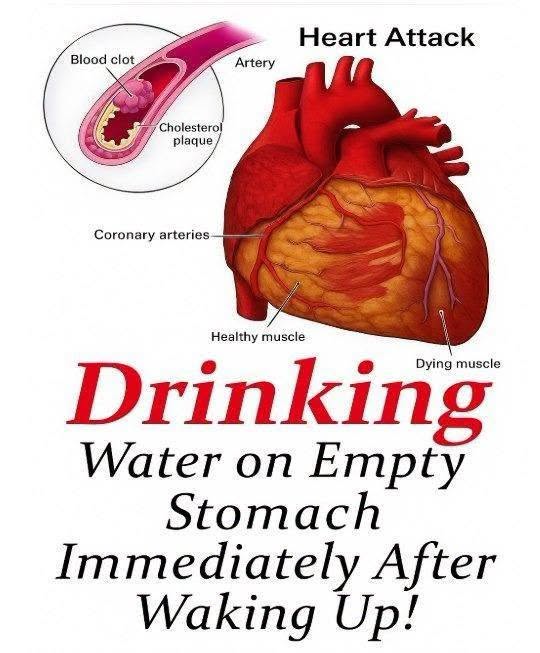
Every morning, countless people wake up, head straight to the kitchen, and drink a glass of water believing they are doing something extraordinary for their health. The habit has been promoted endlessly across social media, wellness blogs, and health forums, often accompanied by claims that it jumpstarts metabolism, flushes toxins from the body, and creates the perfect foundation for a healthier life. While staying hydrated is undeniably important, many of the dramatic claims surrounding morning water consumption deserve a closer examination. The reality is far less sensational but far more grounded in science.
Water remains one of the most essential substances for human life. It makes up a significant portion of the body, supports countless biological processes, helps regulate temperature, transports nutrients, lubricates joints, and allows organs to function properly. Because of its importance, numerous health trends have emerged promising to optimize hydration through specific routines and schedules. Among the most popular is the idea that drinking large amounts of water immediately after waking provides unique health benefits that cannot be achieved at other times of the day. Although the concept sounds convincing, scientific evidence paints a more balanced picture.
A major part of the morning-water narrative revolves around the concept of “detoxification.” Many people are led to believe that their bodies accumulate harmful toxins overnight and that drinking water first thing in the morning somehow flushes these substances out more effectively. However, the human body already possesses highly efficient systems designed specifically for this purpose. The kidneys continuously filter waste from the blood, while the liver processes and neutralizes potentially harmful compounds around the clock. These organs do not depend on a morning glass of water to begin functioning. They are constantly working, whether you drink water at sunrise, midday, or late in the evening.
When examined from a physiological standpoint, the body’s cleansing mechanisms operate continuously and independently. Hydration certainly supports these systems, but there is little evidence suggesting that consuming water at a specific hour dramatically enhances their performance. What matters most is maintaining adequate hydration throughout the day rather than relying on a single ritual to perform all the work. The body responds primarily to fluid balance, electrolyte levels, and overall hydration status—not to the exact timing of your first drink.
Some popular wellness approaches, including various forms of “Japanese Water Therapy,” encourage consuming multiple glasses of water on an empty stomach immediately after waking. While these practices may help some individuals establish healthier hydration habits, the more dramatic health claims associated with them often rely on personal testimonials rather than strong scientific research. Drinking water can certainly make you feel refreshed and energized in the morning, particularly after several hours without fluid intake during sleep, but that does not necessarily mean it possesses unique detoxifying powers.
There are, however, a few practical benefits associated with drinking water before meals. Research suggests that consuming water prior to eating may help create a temporary feeling of fullness, which can contribute to reduced calorie intake during the meal that follows. This effect can support weight-management efforts for some individuals. Importantly, though, this benefit is linked to the relationship between water and food consumption rather than the specific time displayed on the clock. Whether the meal occurs at breakfast, lunch, or dinner, the mechanism remains largely the same.
At the same time, not everyone responds identically to large amounts of water first thing in the morning. Some people experience digestive discomfort, mild nausea, or a feeling of heaviness when consuming substantial quantities before eating. Others find the habit refreshing and energizing. These differences highlight an important reality: health practices should be adapted to individual needs rather than treated as universal rules that apply equally to everyone.
Another issue often overlooked in hydration discussions is the tendency to promote excessive consumption. Many online recommendations encourage rigid hydration goals without considering individual circumstances. In reality, fluid requirements vary significantly depending on factors such as age, body size, physical activity, climate, diet, and overall health. A person working outdoors in hot weather will naturally require more fluids than someone spending the day in a climate-controlled office. Because of this variation, generalized hydration rules should be viewed as guidelines rather than strict requirements.
The widely known “eight glasses a day” recommendation remains a simple benchmark that can help many people maintain adequate hydration, but it is not a universally precise scientific standard. Some individuals need more, while others require less. What matters most is paying attention to the body’s signals, including thirst, urine color, energy levels, and overall well-being. In rare cases, excessive water intake can even lead to electrolyte imbalances that place unnecessary stress on the body.
Perhaps the most valuable lesson is that long-term consistency matters far more than any single morning ritual. Good health is rarely built through isolated habits performed at one specific time of day. Instead, it develops through sustainable patterns repeated consistently over months and years. Maintaining regular hydration, eating a balanced diet, exercising regularly, getting adequate sleep, and managing stress all contribute far more to overall wellness than the exact moment you drink your first glass of water.
This does not mean you should abandon your morning glass of water if you enjoy it. Many people find it helps them feel alert, refreshed, and ready to begin the day. The key difference is understanding why you are doing it. Rather than viewing it as a magical detox solution or a metabolic reset button, it can simply be appreciated as one healthy habit among many that support overall hydration and well-being.
Ultimately, the healthiest approach is often the simplest. Drink water regularly throughout the day, respond to your body’s needs, and focus on maintaining balanced habits rather than chasing dramatic promises. Your kidneys, liver, and other organs are already performing their jobs with remarkable efficiency. They do not require a special morning ritual to function properly. True wellness comes not from a single glass of water at sunrise but from the consistent choices you make every day that support your body’s natural ability to care for itself.