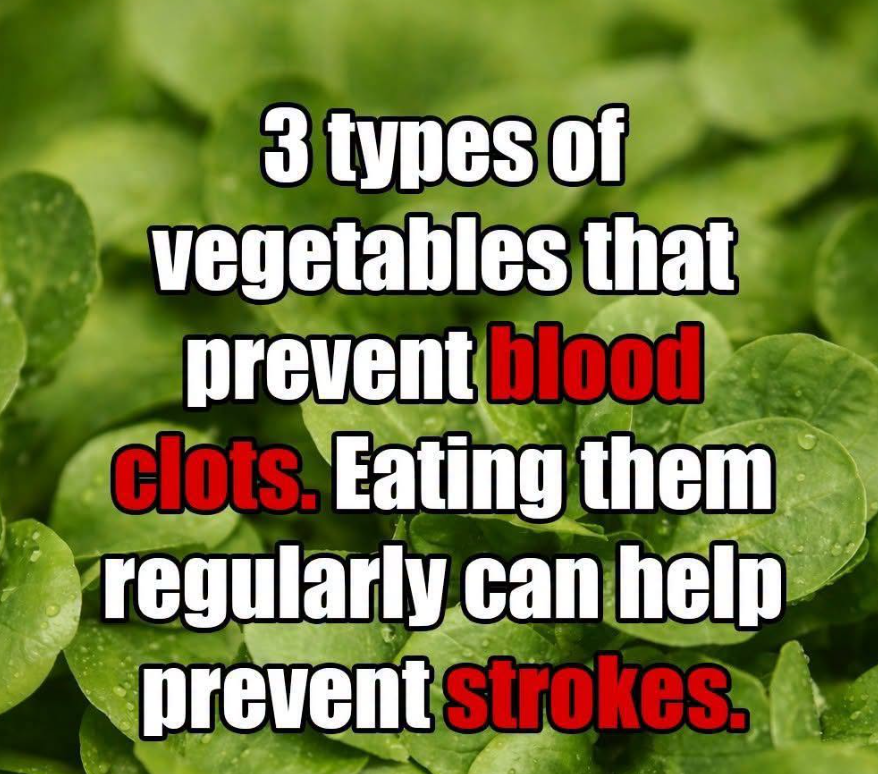
A stroke can change a life in an instant. One moment everything feels normal; the next, a person may lose the ability to speak, move, or perform even the simplest daily tasks. The consequences can be devastating, affecting not only physical health but also emotional well-being and independence. While modern medicine has made significant advances in treating strokes, prevention remains one of the most powerful tools available. Surprisingly, some of that protection may begin with the everyday choices we make at the dinner table.
Health experts consistently emphasize that reducing stroke risk requires a combination of healthy habits. Maintaining normal blood pressure, controlling cholesterol and blood sugar levels, avoiding smoking, limiting alcohol consumption, staying physically active, and attending regular medical checkups all play critical roles. Diet is another important piece of the puzzle, as certain foods can support healthier blood vessels and better circulation over time.
Among the vegetables frequently highlighted for their nutritional benefits is asparagus. This vegetable contains valuable nutrients such as folate, selenium, fiber, and various antioxidants. These compounds help support cardiovascular health by promoting healthy blood vessel function and aiding the body’s natural processes for managing fats and metabolic waste products. Regular consumption of fiber-rich vegetables like asparagus may contribute to improved circulation and overall vascular wellness.
Another plant often discussed in traditional nutrition practices is Houttuynia cordata. Rich in vitamins, minerals, and naturally occurring compounds, it has long been valued in some cultures for its potential role in supporting circulation and metabolic balance. Some studies suggest that components found in this plant may help support healthy lipid metabolism and contribute to maintaining normal cholesterol levels as part of a balanced diet.
Onions are also widely recognized for their potential cardiovascular benefits. They contain sulfur-based compounds and antioxidants that may help support healthy blood flow and vascular function. Research has suggested that these naturally occurring substances can contribute to maintaining healthy cholesterol levels, supporting normal blood pressure, and helping the body manage inflammatory processes that affect the circulatory system.
The importance of these vegetables lies not in any miraculous cure but in their ability to contribute to an overall heart-healthy lifestyle. No single food can completely prevent a stroke, and no vegetable can replace medical treatment or professional advice. However, consistently choosing nutrient-dense foods can help create an internal environment that supports long-term vascular health.
Nutrition experts stress that dietary improvements work best when combined with other protective measures. Regular exercise helps maintain healthy blood flow, while adequate hydration supports circulation throughout the body. Managing stress, getting sufficient sleep, and following medical recommendations for existing conditions such as hypertension or diabetes are equally important factors in reducing stroke risk.
Ultimately, stroke prevention is built upon thousands of small daily decisions rather than a single dramatic change. The foods we place on our plates each day become part of a larger strategy for protecting the brain, heart, and blood vessels. Vegetables like asparagus, onions, and other nutrient-rich choices may seem ordinary, but over time they contribute to habits that support better health and resilience.
While medical science remains the first line of defense against stroke, healthy eating provides an additional layer of support that anyone can begin today. These simple vegetables may not attract much attention in the grocery store, but they serve as quiet reminders that some of the most powerful investments in our health begin with everyday choices made in our own kitchens.