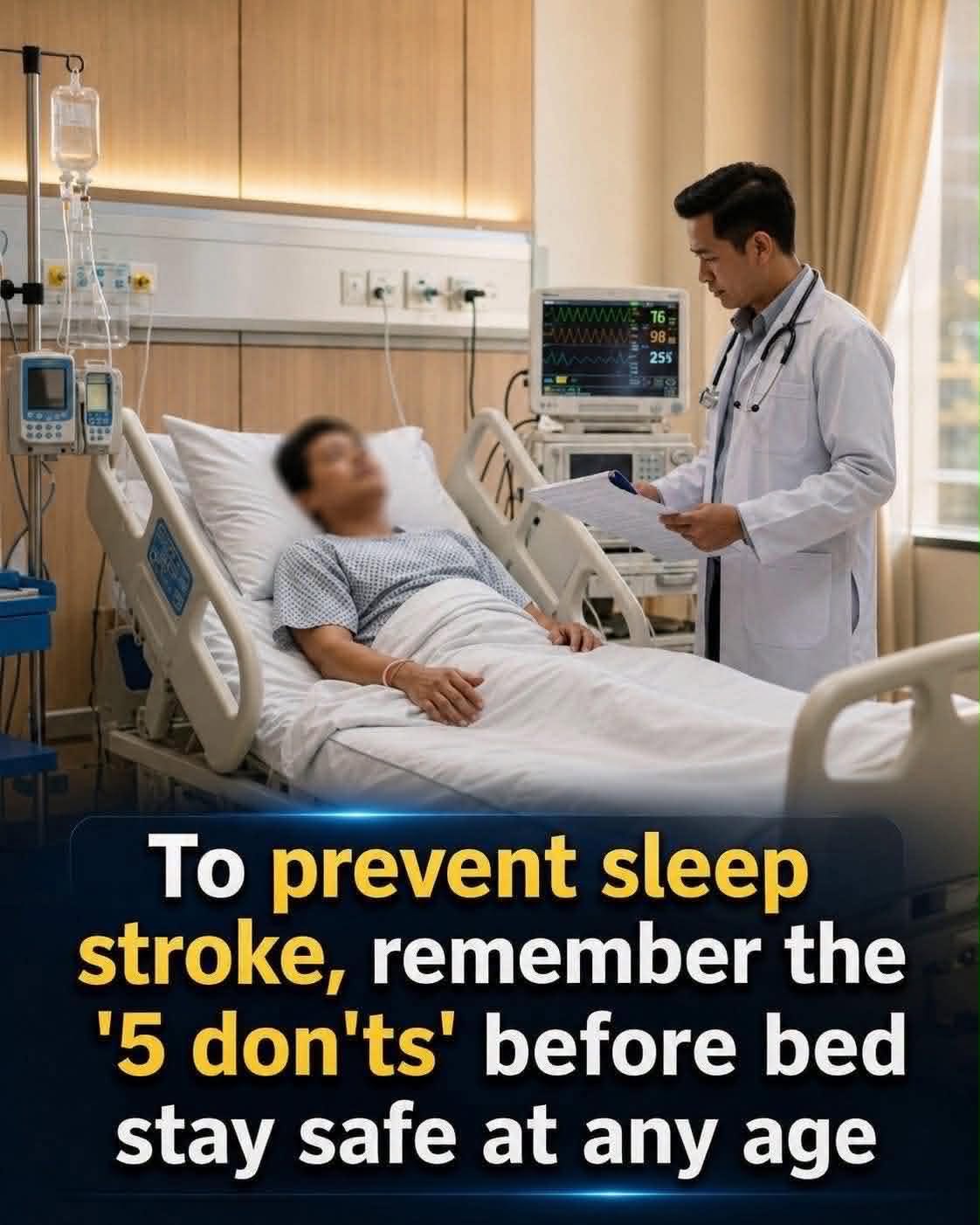
Most people go to bed believing their bodies are simply resting and recovering from the day. However, medical experts warn that certain everyday habits may increase the risk of serious health problems during sleep, including strokes that occur without warning. Known as “wake-up strokes,” these events happen while a person is asleep, leaving them to discover the symptoms only after waking up. Because treatment is most effective when administered quickly, these cases can be especially dangerous.
A stroke occurs when blood flow to part of the brain is interrupted, depriving brain tissue of oxygen and nutrients. When this happens, brain cells begin to die within minutes. Depending on the severity and location of the blockage, a stroke can affect movement, speech, memory, vision, and many other essential functions. Immediate medical attention is critical because every passing minute can influence the extent of recovery.
Health professionals estimate that a significant percentage of ischemic strokes occur during sleep. Researchers believe this may be linked to natural changes that take place in the body overnight. Blood pressure, heart rate, circulation, and clotting mechanisms all shift while we sleep. For individuals who already have underlying risk factors such as high blood pressure, diabetes, obesity, or cardiovascular disease, these changes may increase vulnerability during the night and early morning hours.
One of the most important tools for recognizing a stroke is the B.E. F.A.S.T. method. This stands for Balance problems, Eye or vision changes, Facial drooping, Arm weakness, Speech difficulties, and Time to call emergency services. If any of these symptoms appear suddenly, immediate medical assistance should be sought. Quick treatment can dramatically improve outcomes and reduce the risk of permanent disability.
Beyond recognizing warning signs, lifestyle choices also play an important role in overall cardiovascular health. Experts frequently emphasize the importance of maintaining healthy blood pressure, controlling blood sugar levels, exercising regularly, and getting quality sleep. Evening habits may contribute to these goals more than many people realize.
For example, eating large meals shortly before bedtime can place additional strain on the digestive and cardiovascular systems. Heavy late-night meals may contribute to acid reflux, poor sleep quality, and blood sugar fluctuations. Many specialists recommend allowing several hours between dinner and sleep whenever possible. Light physical activity, such as a short walk after eating, may also support digestion and help regulate blood sugar levels.
Another commonly discussed habit involves bathing immediately after meals. While warm showers and baths are generally safe for most people, some experts suggest waiting until digestion is underway before exposing the body to prolonged heat. Digestion naturally directs blood flow toward the stomach and intestines, while hot water can influence circulation throughout the body. Allowing some time between eating and bathing may help avoid unnecessary discomfort.
Ultimately, preventing stroke involves a combination of awareness, healthy habits, and proper medical care. Maintaining a balanced diet, staying physically active, managing chronic conditions, avoiding excessive alcohol consumption, and prioritizing quality sleep all contribute to reducing risk. While no lifestyle choice can eliminate the possibility entirely, understanding how the body functions during sleep can help people make informed decisions that support long-term health and well-being.
The key message is simple: paying attention to both daytime and nighttime habits can make a meaningful difference. Small changes made consistently over time may help protect the heart, blood vessels, and brain, reducing the likelihood of serious medical emergencies and improving overall quality of life.