For millions of non-citizens living in the United States, the fear is no longer limited to immigration checkpoints, court hearings, or encounters with law enforcement. Increasingly, concern is shifting toward a place once viewed as neutral and routine: the banking system. Families who work, pay taxes, save money, and support relatives abroad are now confronting the possibility that ordinary financial activity could attract heightened scrutiny under new enforcement priorities. What once seemed like standard banking behavior may now be interpreted as a warning sign, leaving many immigrants uncertain about their financial future.
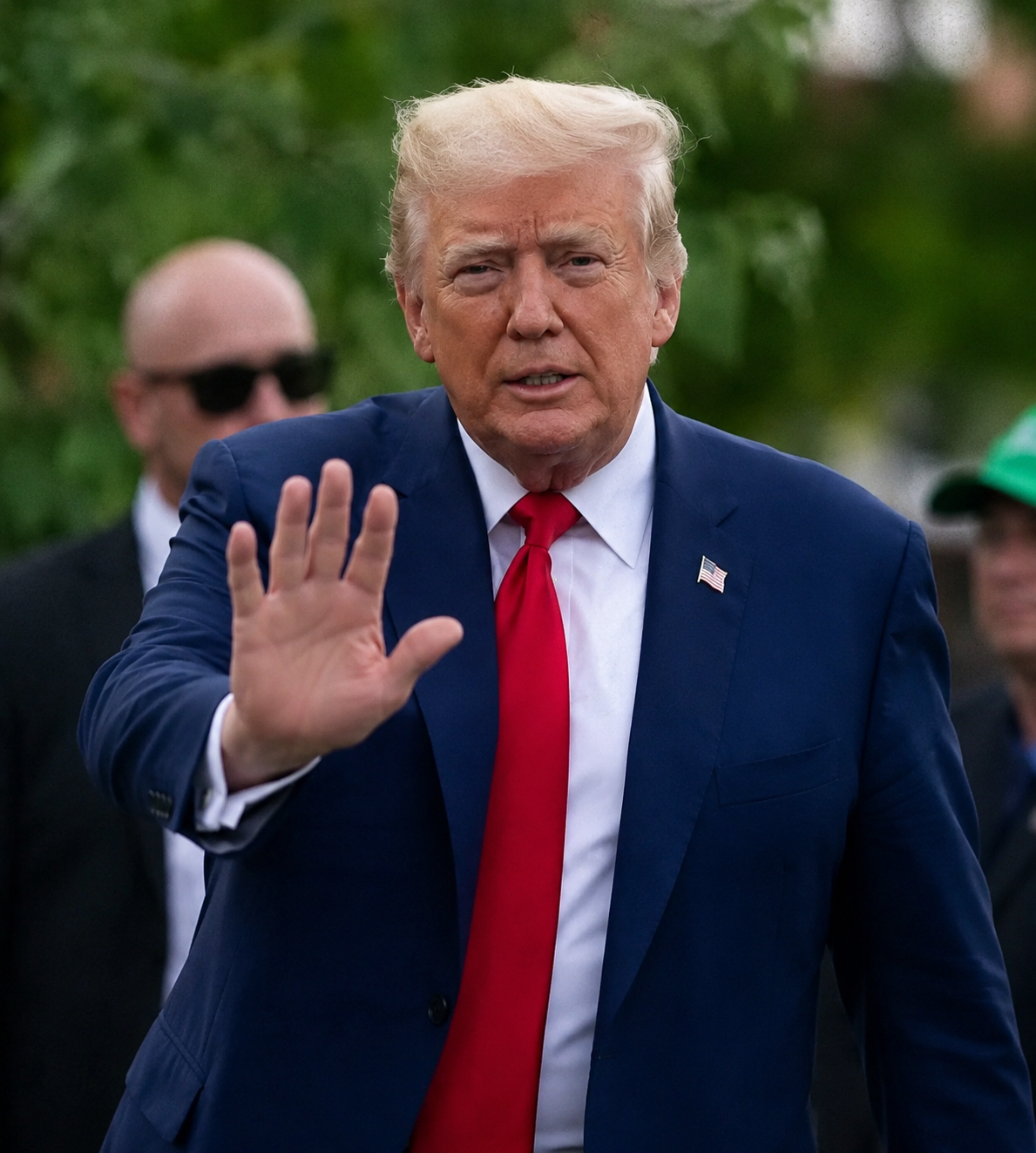
According to critics, recent directives associated with former President Donald Trump’s immigration and enforcement agenda have expanded the intersection between financial oversight and immigration policy. Measures intended to identify fraud, money laundering, and criminal financial activity are increasingly being viewed through an immigration lens, creating anxiety among communities that rely heavily on access to banks, credit unions, and money transfer services.
At the center of the debate is the use of provisions within the Bank Secrecy Act, a federal law originally designed to combat financial crimes such as money laundering, tax evasion, and terrorist financing. Supporters argue that stronger enforcement helps identify suspicious activity and protect the integrity of the financial system. Critics, however, contend that the broad application of these tools risks casting suspicion on large groups of people who have committed no crime.
Particular concern surrounds the treatment of common financial indicators often associated with immigrant communities. Individual Taxpayer Identification Numbers, commonly known as ITINs, are used by many non-citizens who are not eligible for Social Security numbers but who still file taxes and comply with federal tax obligations. Consular identification cards, frequently used by immigrants to establish identity, have also come under increased scrutiny in certain contexts. In addition, patterns such as frequent cash deposits or withdrawals—often common among workers paid in cash or those supporting family members overseas—may draw additional attention from financial institutions attempting to comply with regulatory expectations.
For many immigrants, these practices are not signs of wrongdoing but ordinary aspects of daily life. Small business owners, seasonal laborers, domestic workers, and other individuals who participate in the economy may rely on cash transactions for practical reasons. Many work hard to remain compliant with tax laws and banking regulations while supporting relatives both inside and outside the United States. The fear among advocacy groups is that these individuals could become unintended targets of heightened scrutiny simply because their financial behavior differs from more traditional banking patterns.
The consequences of such scrutiny can be significant. Financial institutions facing regulatory pressure often adopt conservative risk-management strategies. In some cases, banks may close accounts, restrict services, delay transactions, or decline new customers if they believe maintaining those relationships could expose them to compliance concerns. These decisions are frequently made behind the scenes, leaving affected customers with limited information about why services were denied or interrupted.
Critics argue that this creates a situation in which lawful residents, workers, and taxpayers may find themselves effectively excluded from parts of the financial system despite following the rules. Access to basic banking services is increasingly essential for everyday life, affecting everything from receiving wages and paying bills to obtaining credit, renting housing, and building financial security. Losing that access can have far-reaching consequences for individuals and families.
The debate unfolds against a broader backdrop of immigration enforcement efforts, including detention policies, deportation operations, and ongoing political battles over border security. Supporters of tougher measures argue that stronger oversight is necessary to identify fraud, enforce immigration laws, and prevent criminal organizations from exploiting financial institutions. They contend that regulators and banks have a responsibility to investigate suspicious activity regardless of a person’s citizenship status.
Opponents, however, see a troubling contradiction. They point out that while some areas of financial regulation have been relaxed to encourage investment and economic growth, increased scrutiny is being directed toward vulnerable immigrant populations. In their view, the result is a system that appears welcoming to capital and financial markets while becoming increasingly restrictive toward certain groups of people seeking stability and opportunity.
The controversy raises fundamental questions about privacy, fairness, and the purpose of financial regulation. Should banking institutions play a larger role in immigration enforcement? How can regulators distinguish between legitimate financial crime and ordinary economic behavior within immigrant communities? And how can governments balance national security concerns with the need to ensure equal access to financial services?
For many non-citizens, these questions are no longer abstract policy debates. They influence everyday decisions about where to work, how to save money, and whether financial institutions can still be trusted as neutral providers of essential services. As enforcement priorities evolve, the uncertainty surrounding these issues continues to grow.
For some observers, the most striking aspect of the debate is how the concept of a border itself appears to be changing. Traditionally, borders were viewed as physical lines separating nations. Today, critics argue that barriers can also emerge within institutions that people depend upon every day. Whether those concerns ultimately prove justified remains a matter of intense political and legal debate. What is clear, however, is that the conversation now extends far beyond immigration checkpoints and border crossings. Increasingly, it reaches into banks, workplaces, and communities where questions about belonging, security, and opportunity continue to shape the lives of millions.