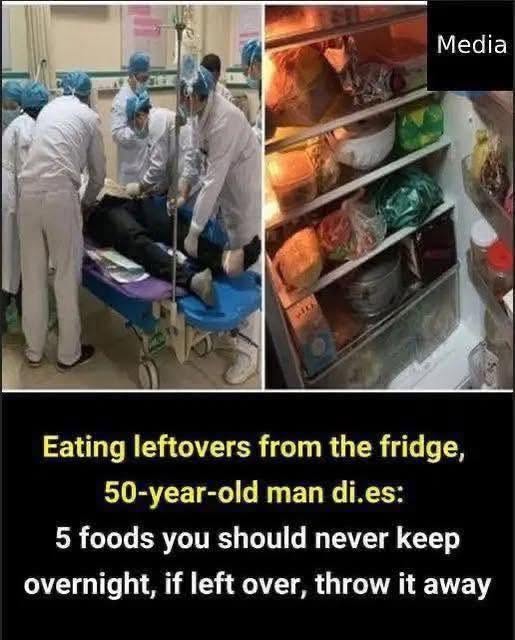
The biggest surprises about food safety often begin long after dinner is over. Many foods that seem perfectly harmless when freshly prepared can change during storage, especially when they are left out too long or repeatedly reheated. Most people assume that placing leftovers in the refrigerator automatically keeps them safe, but certain ingredients can undergo subtle changes that may affect both their quality and, in some cases, their safety. Understanding which foods require extra care can help protect your health and prevent unnecessary risks.
Some commonly consumed foods become problematic not because they are dangerous when cooked, but because improper storage and reheating can alter their composition. Mushrooms and wood ear fungus are often cited as foods best enjoyed shortly after preparation. Their protein structures and naturally occurring compounds may break down over time, particularly when they are repeatedly reheated or stored for extended periods. This can lead to digestive discomfort in some individuals and reduce the overall quality of the dish.
Leafy vegetables such as spinach, lettuce, bok choy, and similar greens also deserve attention. These vegetables naturally contain nitrates, which are generally harmless. However, when cooked greens are left at room temperature for too long or stored improperly, certain conditions may encourage the conversion of nitrates into nitrites. While occasional exposure is unlikely to cause harm, consuming poorly stored vegetables regularly is not considered a good practice and may raise health concerns over time.
Egg-based dishes require proper handling as well. Soft-boiled eggs, scrambled eggs, and omelets can lose flavor, texture, and nutritional value when reheated multiple times. While refrigeration helps preserve them, repeated heating can affect their quality and make them less enjoyable to eat. In addition, improper storage increases the risk of bacterial contamination.
Rice and other starchy foods are among the leftovers that require particular caution. If cooked rice is left at room temperature for extended periods before refrigeration, bacteria such as Bacillus cereus can multiply and produce toxins that are not always destroyed by reheating. This means that warming the rice again may not fully eliminate the risk. Proper cooling and prompt refrigeration are essential to keeping these foods safe.
Soups, stews, and similar dishes can also become unsafe when left unrefrigerated for too long. Because they often contain a mixture of meats, vegetables, and liquids, they provide an environment where bacteria can grow rapidly if temperature control is neglected. Dividing large portions into smaller containers and refrigerating them quickly helps reduce this risk significantly.
The safest approach is straightforward and effective. Prepare reasonable portions whenever possible, allow leftovers to cool promptly, store them in the refrigerator without delay, and consume them within a safe time frame. Reheat foods thoroughly, but avoid repeatedly warming the same dish multiple times. Most importantly, if a food smells unusual, looks questionable, or has been stored longer than recommended, it is usually better to discard it than risk foodborne illness.
Good food habits are not just about avoiding waste—they are about protecting your health. A meal can always be replaced, but your well-being is far more valuable. By storing leftovers properly and knowing which foods require extra caution, you can enjoy your meals safely while reducing unnecessary health risks.