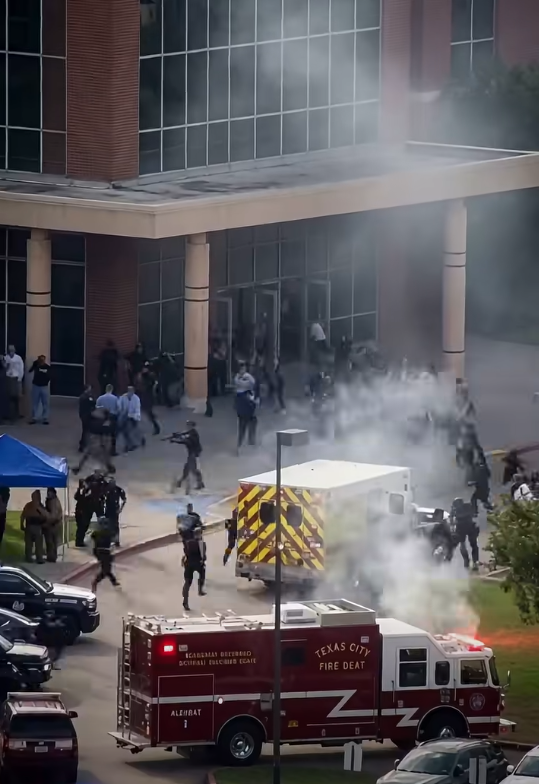
A place dedicated to healing and recovery was suddenly thrown into chaos when a shooting incident disrupted the calm atmosphere of a major hospital, leaving patients, visitors, and healthcare workers terrified. What began as an ordinary day quickly transformed into a frightening emergency as reports of gunfire in a hospital parking area triggered panic throughout the facility. Individuals inside rushed to secure locations, doors were locked, and emergency procedures were activated as authorities worked to determine the scope of the threat.
Hospitals are often viewed as some of the safest environments in society—places where people seek help during their most vulnerable moments. That sense of security was severely shaken during a critical incident at Corewell Health Beaumont Troy Hospital in Michigan. Staff members were carrying out their daily responsibilities, patients were receiving treatment, and families were visiting loved ones when the situation suddenly escalated. Within moments, concerns about patient care shifted to concerns about personal safety as emergency alerts spread through the facility.
As law enforcement officers arrived at the scene, investigators quickly learned that the shooting was not believed to be a random act of violence. Early information indicated that the incident stemmed from a conflict involving two hospital employees. The confrontation reportedly occurred within the hospital’s parking structure and resulted in one person being shot. Emergency medical personnel immediately responded, transporting the injured individual for urgent treatment while police focused on locating and apprehending the suspect.
The response from law enforcement was rapid and highly coordinated. Officers secured the surrounding area, established safety zones, and launched an intensive search operation. Their efforts led to the suspect being located and taken into custody within a relatively short period of time. The swift action helped prevent further danger and allowed hospital officials to gradually lift emergency restrictions. Although the immediate threat was removed, the emotional impact on those who experienced the incident remained significant.
For employees, patients, and visitors, the event was deeply unsettling. Many described feelings of fear and disbelief as they watched a healthcare facility become the center of a major security emergency. Healthcare workers are accustomed to handling medical crises, but incidents involving violence inside or near their workplace create a very different type of stress. The experience forced many individuals to confront fears they never expected to face while inside a hospital environment.
The shooting also sparked wider discussions about workplace safety and violence prevention within healthcare settings. Hospitals serve thousands of people every day, making security an ongoing challenge. Incidents such as this raise difficult questions about conflict resolution, employee support systems, and the effectiveness of existing safety measures. Community members and healthcare leaders alike began examining how similar situations might be prevented in the future.
In the aftermath, hospital administrators shifted their attention toward supporting employees, patients, and families affected by the incident. Counseling resources, internal reviews, and safety assessments became key priorities. Officials emphasized their commitment to understanding the circumstances surrounding the conflict and identifying opportunities to strengthen workplace security moving forward.
The emotional recovery process may take far longer than the physical response. Many staff members were forced to continue caring for patients while coping with the stress and uncertainty created by the emergency. Their professionalism and dedication during the crisis highlighted the resilience of healthcare workers who remained focused on helping others despite the fear unfolding around them.
Community leaders and local residents have expressed support for both the injured victim and the hospital staff impacted by the incident. The event serves as a sobering reminder that violence can occur even in places traditionally associated with safety and compassion. It also underscores the importance of preparedness, communication, and strong support systems within critical public institutions.
As the hospital continues normal operations and authorities move forward with their investigation, many hope meaningful lessons can be learned from this tragedy. Strengthening workplace relationships, improving security measures, and expanding access to support resources may help reduce the risk of similar incidents in the future. While the shooting left a lasting mark on everyone involved, the shared commitment to healing, recovery, and public safety remains stronger than ever.