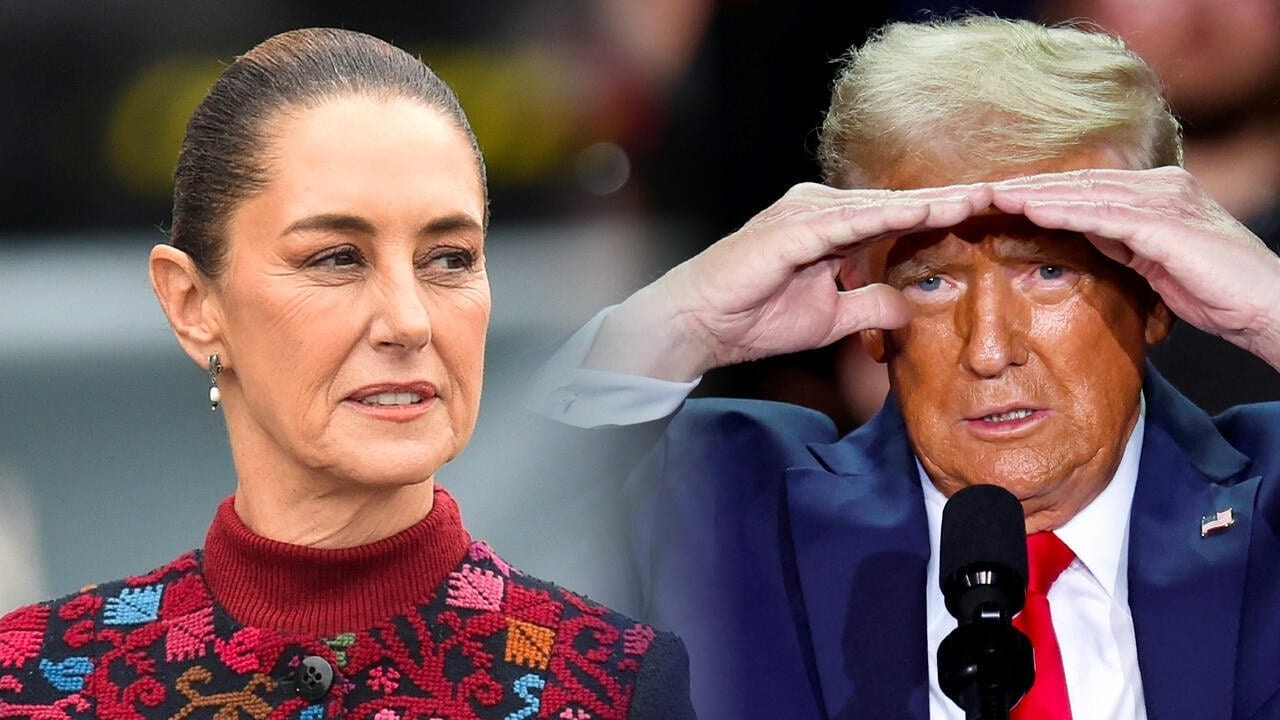
Sirens of war are echoing across the globe tonight, and the atmosphere feels heavier than it has in years. In a stunning and explosive announcement that immediately sent shockwaves through governments, military headquarters, and newsrooms worldwide, Donald Trump claimed that the United States had launched strikes against three Iranian nuclear facilities, including the heavily fortified Fordo site—one of the most protected and strategically important locations in Iran’s nuclear program. Within minutes, the reaction was fierce, emotional, and deeply divided. Supporters hailed the operation as a bold and historic act designed to prevent a future nuclear threat. Critics condemned it as a reckless escalation that could push the Middle East toward a devastating new conflict. Around the world, governments, analysts, and ordinary citizens watched anxiously as tensions surged.
The responses could hardly have been more different. Some allies quietly described the operation as an act of extraordinary courage, arguing that difficult decisions are sometimes necessary to confront dangerous challenges before they grow beyond control. Others saw the strikes as a dangerous gamble with consequences that may not be fully understood for years. Opponents were far less restrained, warning that the attack represented an unforgivable violation that could trigger retaliation on a scale far larger than anyone expects. Across social media, television broadcasts, and diplomatic channels, one question dominated every discussion: had the world just crossed a point of no return?
In Tehran, the reaction was swift and uncompromising. Foreign Minister Abbas Araghchi delivered a message that reflected both anger and determination, speaking on behalf of a nation suddenly thrust into an even more dangerous confrontation with Washington. Describing the strikes as “outrageous,” “criminal,” and a direct challenge to international norms, he insisted that Iran reserved every right to defend itself under international law. He warned that all members of the United Nations should be deeply concerned by what had occurred, arguing that the implications extended far beyond the borders of Iran itself. His words carried the unmistakable tone of a government preparing its next move while signaling to the world that the crisis was far from over.
Behind the formal diplomatic language was a much sharper warning. Iranian officials made it clear that they did not view the attacks as an isolated military action that could simply be forgotten or absorbed. Instead, they framed the strikes as a major escalation requiring a response. The message reaching foreign capitals was unmistakable: Iran would not allow such an operation to pass without consequences, and any expectation of silence or restraint would be misplaced. Military analysts immediately began debating what form a response might take, while regional governments prepared for the possibility that events could unfold rapidly and unpredictably.
Across Western capitals, leaders found themselves walking a diplomatic tightrope. In Washington and Jerusalem, some officials quietly celebrated what they viewed as a significant setback for Iran’s nuclear ambitions. They argued that decisive action had achieved what years of negotiations, sanctions, and warnings had failed to accomplish. To them, the strikes represented a demonstration of strength and resolve at a moment when hesitation could have carried its own risks. Yet even among supporters, there was an awareness that success on one night could come at the cost of far greater instability in the weeks ahead.
Elsewhere in Europe, the mood was noticeably more cautious. Leaders urged calm and restraint, fearful that a single military operation could ignite a chain reaction stretching across the region. Concerns quickly emerged about potential retaliatory attacks, disruptions to global energy markets, threats to shipping routes, and the possibility that neighboring countries could be drawn into a wider conflict. Governments that had spent years trying to reduce tensions suddenly found themselves confronting the prospect of a crisis spiraling beyond diplomatic control.
Within the halls of the United Nations, diplomats spoke in urgent meetings and quiet conversations behind closed doors. Discussions centered on questions of legality, sovereignty, and the long-term consequences of military action against nuclear facilities. Some warned that critical red lines had been crossed. Others argued that extraordinary threats sometimes require extraordinary measures. What united nearly everyone, however, was a growing sense that the international system had entered a highly uncertain and dangerous phase. The fragile balance that had existed only days earlier now appeared significantly weakened.
As military forces across the region heightened their alert levels and governments assessed the rapidly changing situation, the world found itself holding its breath. Financial markets reacted nervously, intelligence agencies monitored developments around the clock, and citizens across multiple continents wondered whether they were witnessing the beginning of a larger confrontation. Every statement from Washington, Tehran, Jerusalem, Brussels, and New York was scrutinized for clues about what might happen next.
The question is no longer simply what happened on that dramatic night. The strikes have already occurred, and their impact is being felt around the globe. The real question now is what comes next. Will diplomacy manage to contain the crisis before it spreads further, or has a new and unpredictable chapter of confrontation already begun? Tonight, the world waits for an answer, aware that the decisions made in the coming days could shape international security for years to come.