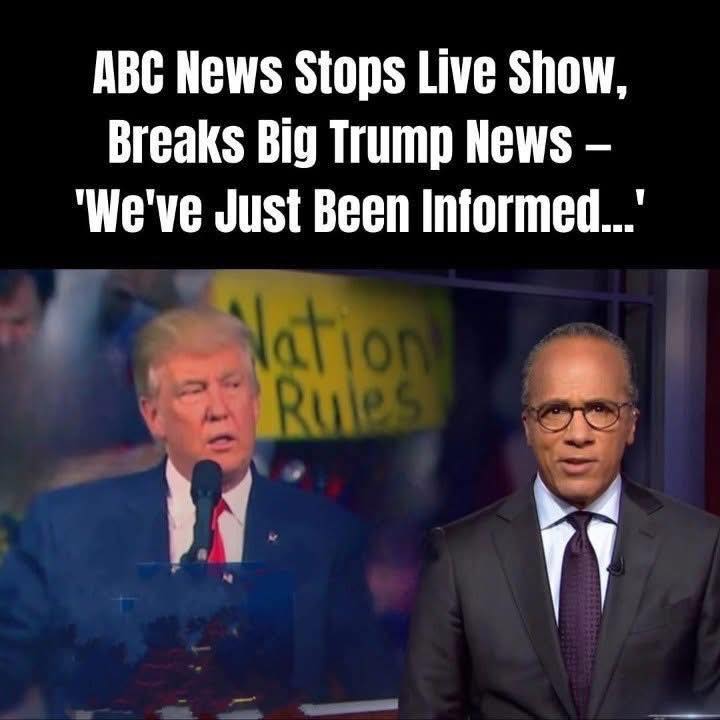
Donald Trump’s latest actions sent shockwaves through Washington, transforming an already uneasy atmosphere into one filled with uncertainty and intense public debate. The sounds of sirens, law enforcement operations, and increased federal activity have become part of the city’s daily reality. Residents, journalists, and political observers find themselves grappling with a rapidly changing environment where opinions differ sharply and clear answers remain elusive. While some view the developments as a necessary step toward restoring stability, others fear they signal something far more troubling. What nearly everyone agrees on, however, is that the city no longer feels the same.
What began as a pledge to strengthen public safety has evolved into a broader discussion about authority, government power, and the balance between security and civil liberties. Supporters point to visible improvements in certain areas. In some neighborhoods, parents feel more comfortable allowing their children greater freedom, and local businesses report increased customer activity as residents regain confidence in moving around after dark. For many people, these changes are tangible signs that efforts to combat crime are producing results.
Statistics cited by supporters appear to reinforce this perspective. Reports indicate reductions in certain categories of crime, including burglaries, robberies, and emergency calls related to public safety concerns. For residents who have spent years worrying about neighborhood security, such improvements are difficult to dismiss. They argue that effective enforcement creates conditions where communities can thrive, businesses can grow, and families can feel more secure in their daily lives.
Yet beneath these positive indicators lies a more complicated reality. Not everyone experiences the increased presence of federal authorities in the same way. For some households, the sight of law enforcement vehicles patrolling the streets creates reassurance. For others, it generates anxiety and uncertainty. In certain communities, people become noticeably more cautious when official vehicles appear nearby, while conversations that once took place openly are now held behind closed doors.
Among immigrant families, concerns often run especially deep. The appearance of federal agents can raise questions about legal status, family security, and the future. Many residents describe living with a sense of unpredictability, unsure of how policy changes or enforcement actions might affect their lives. Even for those who have lived in the community for many years, uncertainty can become a constant companion.
These differing experiences have fueled heated discussions throughout the city. Neighbors debate whether current policies represent protection or overreach. Community leaders, activists, and elected officials continue to argue over the long-term consequences of expanded federal involvement. What one person views as necessary enforcement, another may view as excessive intrusion. The same events are often interpreted through entirely different lenses depending on individual experiences and perspectives.
Political leaders frequently describe the measures as temporary responses to immediate concerns. However, history has shown that temporary policies can sometimes outlast their original purpose. This reality has led some observers to question how long the current approach will remain in place and what precedents it may establish for the future. Questions about oversight, accountability, and the appropriate limits of government authority have become central to the public conversation.
At the heart of the debate is a fundamental question about the nature of safety itself. Most people agree that secure communities are important, but there is far less agreement about how that security should be achieved. Some prioritize strong enforcement and visible authority, believing that public order must come first. Others emphasize the importance of protecting civil liberties and ensuring that security measures do not come at the expense of personal freedoms.
Washington now finds itself navigating this difficult balance in real time. Residents are witnessing firsthand how policies designed to increase safety can also generate concerns about government power and individual rights. The conversation extends far beyond crime statistics, touching on broader questions about trust, governance, and the relationship between citizens and the institutions meant to serve them.
As events continue to unfold, uncertainty remains. Supporters argue that the benefits are becoming increasingly visible, while critics warn that the long-term implications may not yet be fully understood. The debate shows no signs of fading, and the city continues to wrestle with competing visions of what security, freedom, and justice should look like in practice.
Ultimately, Washington’s experience serves as a reminder that public safety is rarely a simple issue. Measures intended to protect communities can inspire both relief and concern, often at the same time. The challenge lies in finding a balance that preserves security without undermining the values that citizens seek to protect. As the city moves forward, the questions raised by these developments are likely to remain at the center of public discussion for a long time to come.