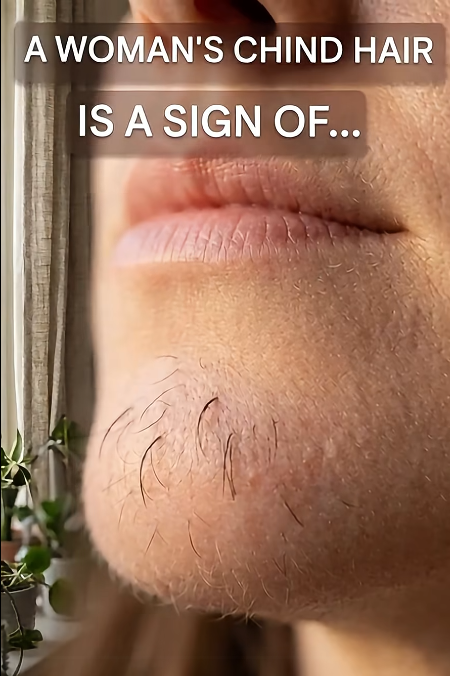
You glance in the mirror one morning and notice it—a single thick hair growing from your chin that seemingly appeared overnight. Most people quickly remove it and move on, assuming it is just another minor annoyance that comes with age. Yet in some cases, that small change may be more than a cosmetic inconvenience. It can serve as a subtle clue that important hormonal shifts are taking place beneath the surface.
Facial hair growth in women is often treated as an embarrassing topic, causing many to focus only on getting rid of the hair rather than understanding why it appeared in the first place. However, our bodies frequently communicate through physical changes, and even something as simple as a chin hair can offer valuable insight into overall hormonal health.
Hormones known as androgens, including testosterone, play a central role in this process. Although commonly associated with men, these hormones are also naturally produced by women. When the balance between estrogen and androgens changes, even slightly, hair follicles can become more active. As a result, thicker and darker hairs may begin appearing on areas such as the chin, jawline, or upper lip. This does not automatically signal a serious problem, but it may indicate that the body’s hormonal environment is changing.
Family history is another major factor. Some women are genetically predisposed to developing facial hair because their hair follicles are more sensitive to hormonal fluctuations. If similar hair growth has been common among mothers, grandmothers, or sisters, genetics may be the primary explanation. Still, understanding your body’s normal patterns remains important, especially when changes become more noticeable.
One condition frequently linked to increased facial hair is Polycystic Ovary Syndrome (PCOS). This hormonal disorder can affect much more than appearance. Irregular menstrual cycles, acne, weight-management difficulties, and fertility concerns are often associated with PCOS. Because symptoms vary widely from person to person, many women remain unaware that a hormonal imbalance may be contributing to several seemingly unrelated issues.
Menopause can also bring significant changes. As estrogen levels naturally decline, the effects of androgens may become more apparent. This hormonal transition can alter hair growth patterns, making facial hair more noticeable than it was earlier in life. While this is often a normal part of aging, understanding the reason behind these changes can help reduce unnecessary worry.
There are situations, however, when facial hair deserves closer medical attention. If hair growth suddenly becomes excessive, develops rapidly, or appears alongside symptoms such as unexplained weight changes, persistent fatigue, mood disturbances, menstrual irregularities, or voice changes, consulting a healthcare professional is advisable. These signs may indicate underlying hormonal conditions that require evaluation and treatment.
For many women, occasional chin hairs are harmless. Nevertheless, they can serve as a useful reminder to pay attention to overall well-being. Factors such as chronic stress, insulin resistance, poor sleep habits, and nutritional imbalances can influence hormone regulation. Supporting the body through healthy lifestyle choices may help maintain hormonal stability and improve long-term health.
Most importantly, facial hair should never be a source of shame. Rather than viewing it as a flaw, consider it another piece of information your body provides. Understanding these signals can empower you to make informed decisions about your health and seek guidance when necessary. A single chin hair may seem insignificant, but sometimes the smallest changes offer the most meaningful insights into what is happening inside the body.