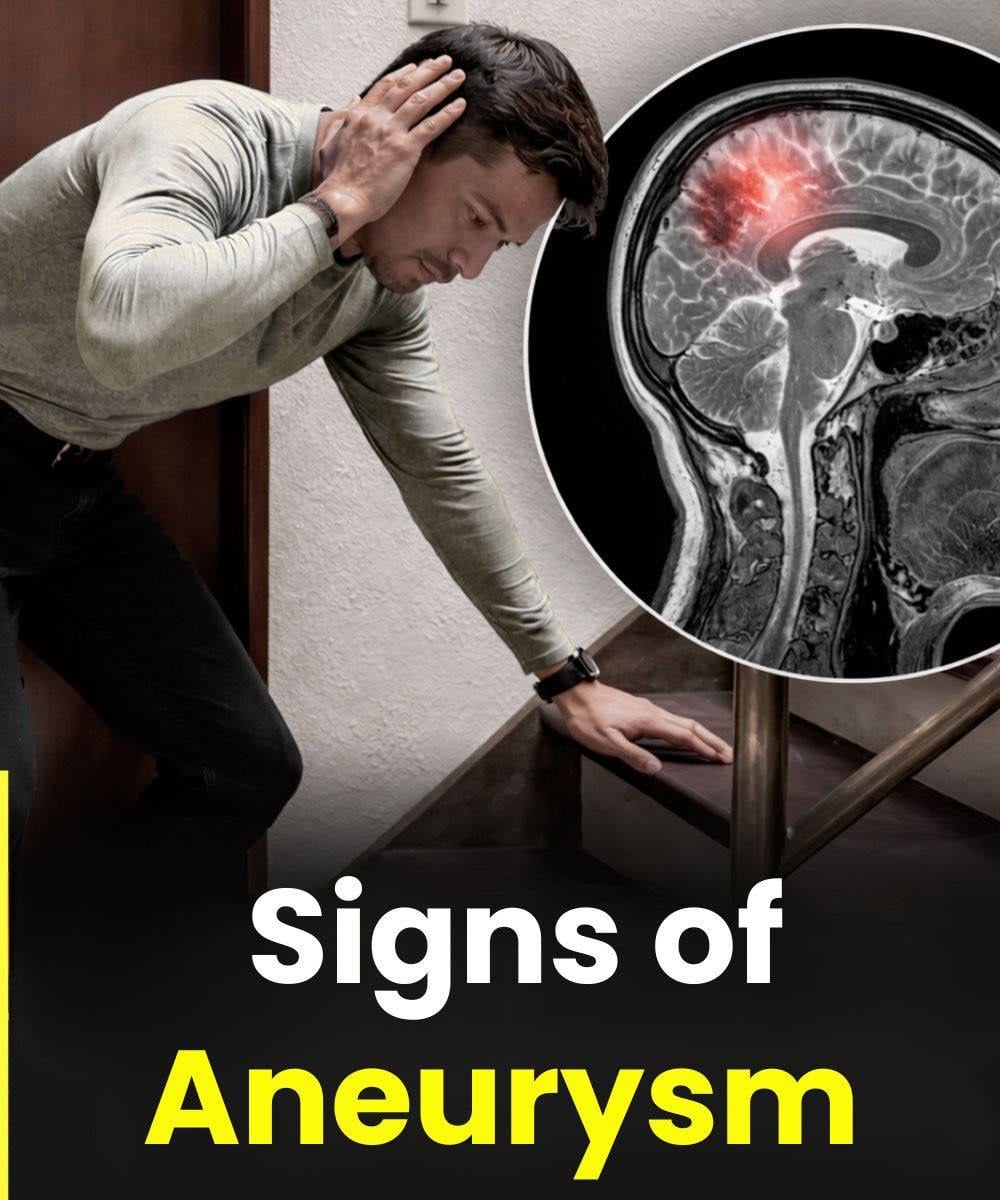
An aneurysm is a potentially life-threatening medical condition that occurs when a section of a blood vessel becomes weakened and begins to bulge outward. This weakened area can gradually expand over time, creating a balloon-like swelling within the vessel wall. One of the most dangerous aspects of an aneurysm is that it often develops silently, producing little to no warning signs until it reaches a critical stage. Because symptoms may remain absent for years, many people are completely unaware they have an aneurysm until it becomes a medical emergency. Understanding the possible warning signs and risk factors can be crucial for early detection and may ultimately save lives.
One of the most significant warning signs, particularly in cases involving the brain, is the sudden onset of an extremely severe headache. Many survivors describe this headache as the worst pain they have ever experienced, unlike any ordinary migraine or tension headache. The pain can appear suddenly and intensify within moments, serving as a potential indicator that an aneurysm may be leaking or rupturing. Because of the seriousness of this symptom, immediate medical attention is essential whenever such a headache occurs unexpectedly.
Vision disturbances are another important symptom that should never be overlooked. Individuals may experience blurred vision, double vision, sensitivity to light, or even partial loss of vision. These changes can occur when an aneurysm places pressure on nearby nerves or structures within the brain. In some cases, people may also notice pain behind or around one eye, drooping eyelids, or unusual changes in pupil size. While these symptoms can sometimes be associated with less serious conditions, they can also signal a developing aneurysm and should be evaluated promptly.
Neurological symptoms may also emerge as the aneurysm grows or begins affecting surrounding tissues. Sudden numbness or weakness in the face, arm, or leg—particularly on one side of the body—can be a serious warning sign. Some individuals may struggle to speak clearly, have difficulty understanding conversations, or become confused without explanation. Problems with balance, coordination, memory, or concentration may also occur. These symptoms often resemble those seen during a stroke, and because both conditions require urgent medical attention, immediate evaluation is critical.
Pain extending into the neck, shoulders, or upper back can sometimes accompany aneurysms involving blood vessels near the brain. This discomfort may develop gradually or appear suddenly, depending on the severity of the condition. Some patients also report stiffness in the neck, nausea, vomiting, or heightened sensitivity to light. These symptoms can indicate irritation of tissues surrounding the brain and should never be ignored.
Not all aneurysms occur in the brain. Aortic aneurysms, which affect the body’s largest artery, can develop within the chest or abdomen and may present differently. Individuals with a thoracic aortic aneurysm may experience persistent chest pain, upper back pain, hoarseness, coughing, difficulty swallowing, or shortness of breath. These symptoms occur because the enlarged vessel may press against nearby organs and tissues. Unfortunately, these warning signs can sometimes be mistaken for other health conditions, delaying diagnosis.
Abdominal aortic aneurysms often produce a deep, persistent pain in the abdomen, lower back, or side. Some people describe a pulsing sensation in the stomach area, while others experience discomfort that gradually worsens over time. Because these symptoms may seem unrelated to a blood vessel problem, many individuals delay seeking medical attention until the aneurysm has become dangerously large.
The most serious complication occurs when an aneurysm ruptures. A rupture is a medical emergency that can quickly become fatal without immediate treatment. Symptoms of rupture often include sudden and intense pain, rapid heartbeat, severe dizziness, fainting, confusion, loss of consciousness, and signs of shock caused by a sudden drop in blood pressure. Internal bleeding can occur rapidly, making emergency medical intervention essential for survival. Every minute counts when a rupture occurs.
Certain individuals face a greater risk of developing aneurysms than others. Men over the age of fifty are considered particularly vulnerable, especially those with a history of smoking or uncontrolled high blood pressure. Family history also plays a significant role. Individuals whose parents, siblings, or close relatives have experienced aneurysms may face an increased risk themselves. Additional factors such as high cholesterol, obesity, cardiovascular disease, excessive alcohol consumption, and certain inherited genetic conditions may further increase susceptibility.
Because aneurysms can remain hidden for long periods, routine medical screenings are often recommended for individuals with significant risk factors. Regular checkups allow healthcare providers to monitor blood pressure, assess cardiovascular health, and identify potential problems before they become emergencies. Screening tests can be especially valuable for people with a strong family history or previous vascular conditions.
Modern diagnostic technology has significantly improved the ability to detect aneurysms before they rupture. Physicians may use imaging studies such as computed tomography (CT) scans, magnetic resonance imaging (MRI), ultrasounds, or angiograms to evaluate blood vessels and determine the size, location, and risk level of an aneurysm. These tests provide detailed information that helps doctors develop appropriate treatment plans tailored to each patient.
Treatment options vary depending on several factors, including the aneurysm’s size, location, growth rate, and overall risk of rupture. Smaller aneurysms may be monitored closely through regular imaging studies while patients focus on controlling blood pressure and adopting healthier lifestyle habits. Medications may be prescribed to reduce strain on blood vessel walls and minimize the likelihood of expansion.
Larger or rapidly growing aneurysms often require more aggressive treatment. Surgical procedures or minimally invasive endovascular techniques may be used to repair the weakened blood vessel and prevent rupture. Advances in medical technology have made these treatments safer and more effective than ever before, significantly improving outcomes for many patients.
Prevention remains one of the most powerful tools in reducing aneurysm-related complications. Maintaining healthy blood pressure levels, avoiding tobacco use, exercising regularly, eating a balanced diet, controlling cholesterol, and managing chronic medical conditions can all contribute to healthier blood vessels. Even small lifestyle improvements can help reduce the stress placed on artery walls over time.
Public awareness is equally important. Many people have never heard of aneurysms or are unfamiliar with their warning signs. Education helps individuals recognize potentially dangerous symptoms earlier and encourages them to seek medical attention before a crisis occurs. The more people understand about aneurysms, the greater the chance of early diagnosis and successful treatment.
Ultimately, aneurysms are serious but often treatable conditions when detected in time. Paying attention to sudden severe headaches, unexplained vision problems, chest or abdominal pain, neurological symptoms, or signs of internal bleeding can make a critical difference. Seeking prompt medical evaluation when unusual symptoms arise may prevent devastating complications and save lives.
In summary, aneurysms frequently develop without warning, but certain symptoms should never be ignored. Early recognition, timely medical care, routine health screenings, and proactive lifestyle choices all play essential roles in reducing risk. By staying informed and acting quickly when symptoms appear, individuals can significantly improve their chances of avoiding life-threatening outcomes and protecting their long-term health.