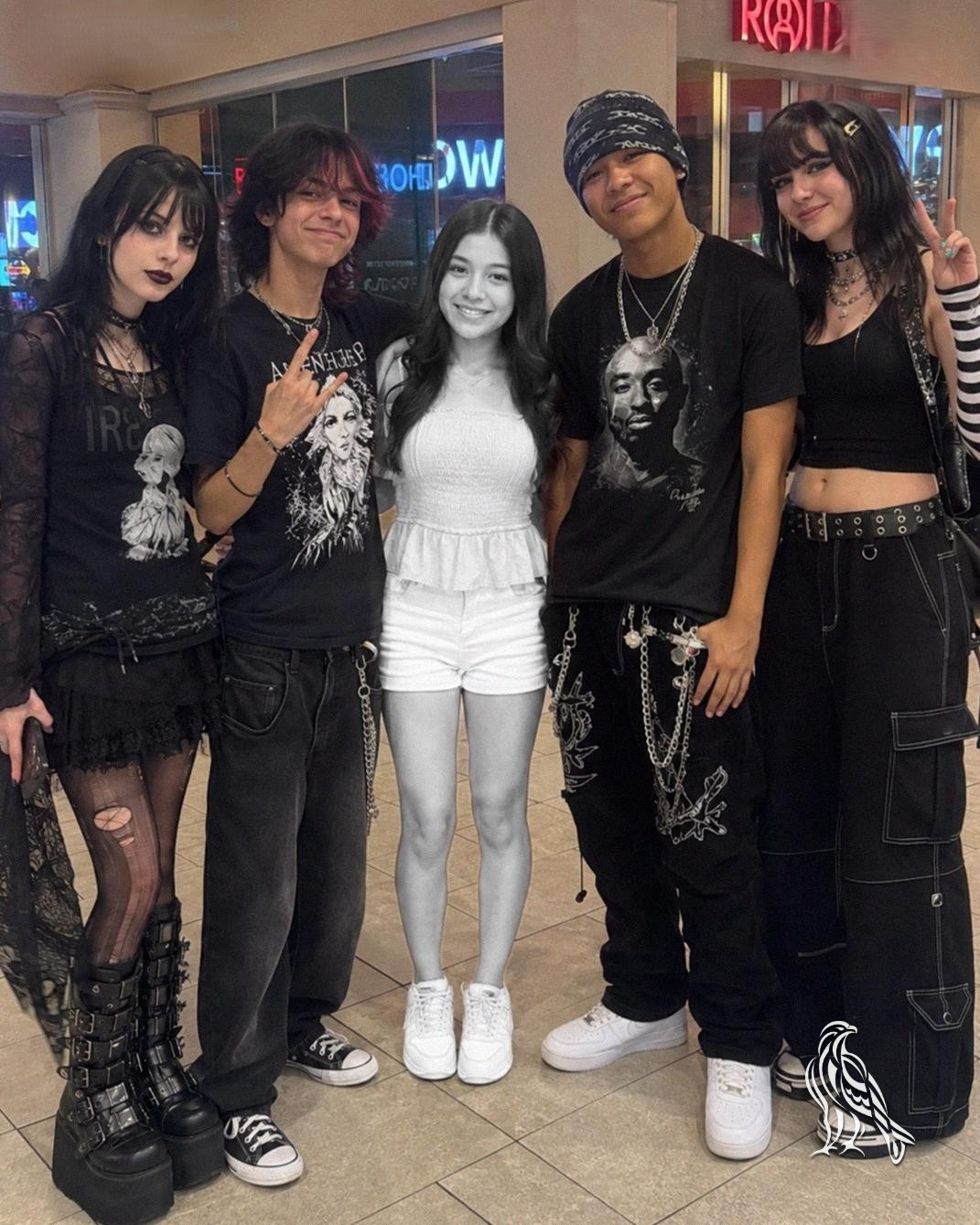
I came home from my daughter’s funeral and found strangers standing in my living room.
For one disoriented second, I genuinely thought I was being robbed. The front door was unlocked. Voices echoed from the kitchen. Shoes I didn’t recognize sat by the hallway rug. My grief had already hollowed me out so completely that panic rushed in without resistance. Rage followed right behind it.
I remember screaming before I even fully saw their faces.
“Get out of my house!”
The teenagers froze instantly. One girl started crying on the spot. A tall boy near the fireplace raised both hands as though I might actually attack him. Another clutched something tightly against his chest beneath a worn hoodie. In that moment, all I could think was that the universe had decided humiliation should follow tragedy. I had buried my daughter only two hours earlier, and now strangers were standing among her photographs and funeral flowers.
I thought they had come to take what little I had left.
Then the boy slowly lowered the bundle in his arms onto my living room floor.
Golden fur.
A familiar tail.
And suddenly the world tilted sideways.
“Benji?” I whispered.
The dog looked up at me, older and thinner than before, but unmistakably ours. Within seconds he was scrambling toward me across the hardwood floor, claws sliding, body trembling, whining so loudly it sounded almost human. I collapsed to my knees before I even realized I was crying again.
Benji had disappeared nearly three months earlier.
After my husband died years ago, that dog became the last living thing tying our family to the life we once had. My daughter adored him because he had belonged to her father first. When Benji vanished, she refused to believe he was gone for good. She spent weeks hanging flyers, checking shelters, driving old back roads late at night. Sometimes she came home muddy, exhausted, furious at herself for not finding him.
I used to tell her gently that maybe it was time to stop searching.
Apparently she never did.
The teenagers stood awkwardly in silence while I held the dog against my chest. Finally, the crying girl spoke.
“She made us promise.”
I looked up slowly.
They were her friends.
Not the casual kind I occasionally heard about in passing, but the close ones — the ones who knew parts of my daughter’s life I never fully saw. I recognized a few faces vaguely from graduation photos and social media pictures, though grief had distorted everything enough that I hadn’t recognized them at first.
“She told us if we ever found him,” the girl continued shakily, “we had to bring him home no matter what.”
That was when they explained.
For weeks, even while my daughter’s health and personal struggles worsened, they had all continued searching for Benji together. Quietly. Constantly. Between classes, after work shifts, late at night. They checked shelters across nearby towns. Walked wooded areas. Posted online. Followed random sightings from strangers. One boy even drove nearly two hours after someone claimed they’d spotted a golden retriever near a gas station.
The morning they finally found Benji wandering near an abandoned road outside town was the same day my daughter died.
The cruelty of that timing nearly broke me all over again.
“She never got to know,” one of them whispered.
None of us spoke for a while after that.
Eventually they sat with me in the living room surrounded by funeral flowers beginning to wilt in the heat. One by one, they started telling me stories about my daughter — stories I had never heard before. Not because she hid herself from me, but because children become entire people outside their parents’ vision.
I learned she once drove forty minutes at midnight because one of these kids had a panic attack and didn’t want to be alone. I learned she secretly paid for another friend’s prom ticket when his family couldn’t afford it. I learned she was the loudest person in every car ride, the first to defend someone being mocked, the last person to leave when somebody needed help.
One boy pulled out his phone and showed me videos.
My daughter dancing badly in a parking lot.
My daughter laughing so hard she snorted.
My daughter calling for Benji into dark woods while everyone else teased her lovingly for refusing to give up.
I sat there realizing with painful clarity that grief is partly the shock of discovering how much of a person exists beyond your reach, even when you love them completely.
For months after that day, the teenagers kept returning.
At first I expected the visits to fade naturally once the funeral sadness passed. Instead, they became part of my life. They walked Benji when my knees hurt too badly. They filled my kitchen with noise, arguments, music, and laughter that sounded startlingly alive inside a house that had felt dead. Sometimes they came just to sit quietly and do homework around my dining table because, according to them, “it feels comfortable here.”
I think they needed her too.
And somehow, without planning it, we began helping each other survive her absence.
Benji sleeps beside my bed now exactly the way he used to after my husband died years ago. Sometimes late at night, when the house is silent, I still expect grief to feel only empty. But then I remember those teenagers standing awkwardly in my living room, carrying my daughter’s final promise through my anger instead of abandoning it.
They could have walked away from me that day.
Instead, they returned a living piece of the child I had just buried.
And through them, I met the fuller version of my daughter — brave, stubborn, fiercely loyal, and capable of leaving love behind in ways far larger than I ever understood while she was alive.
My child is gone.
But somehow the love she created keeps arriving at my front door, again and again.