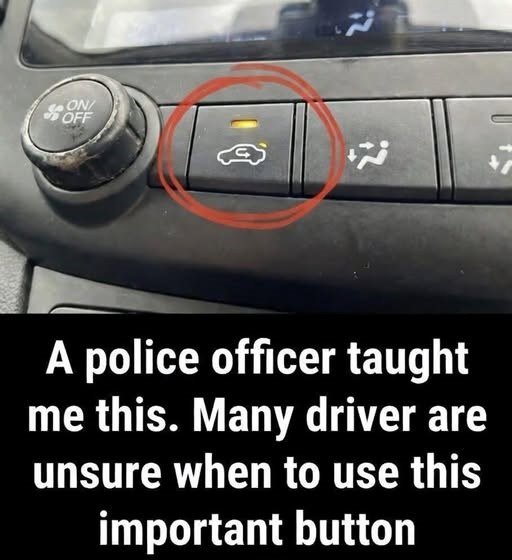
One of the few everyday activities when the environment, the machine, and the human body are all bound together for extended periods of time is driving. The effect spreads slowly but steadily when any one of those components is slightly out of balance. Early in their careers, police officers are taught this. A patrol car serves as a workspace, a shelter, and occasionally a lifeline in addition to being a means of mobility. Officers observe how even minute details affect performance over thousands of hours. One of those aspects is the air within the vehicle, which has a significantly greater impact than most drivers ever realize.
The human brain is highly sensitive to variations in humidity, temperature, and oxygen levels. Mood, patience, and reaction time can all be affected by even small changes. These changes occur gradually inside an automobile, making them simple to overlook. Many times, drivers adjust without being aware of what they are adjusting to. They think it’s just aging or traffic stress since they feel a little less sharp, a little more annoyed, and a little more exhausted. Because they are trained to spot trends, police officers are aware that the interior of the car frequently has a significant impact.
One obvious example is spending a lot of time stuck in traffic. Drivers are exposed to strong, unseen exhaust fumes while they are seated behind rows of parked cars. Unless recirculation is turned on, outside air enters the cabin even when the windows are closed. Inhaling these fumes over time may result in headaches, irritated eyes, and a heavy chest. Officers who work long hours in crowded settings rapidly become adept at using recirculation as a safety precaution. Although it doesn’t completely remove all contaminants, it lowers exposure to the point where a discernible difference is made.
This is especially important for older drivers. The lungs and cardiovascular system become less effective in managing environmental stress as people age. Fatigue or dyspnea may now be exacerbated by what was once only a slight pain. Even seemingly short and easy drives might leave senior drivers feeling exhausted. Distance is frequently not the cause, but rather the combination of stress, temperature, and air quality.
Mental functioning and temperature regulation are closely related. Even when drivers are not actively perspiring, heat raises heart rate and dehydration. Reaction speed is slowed and concentration is diminished by dehydration. Police officers who work in hot regions are trained to actively control cabin temperature for both comfort and cognitive function. A colder cabin facilitates quicker decision-making, lessens irritation, and improves brain function.
The impacts of cold are unique. Cold air can exacerbate tension, stiffen muscles, and impair dexterity. Drivers may become distracted by discomfort, respond more quickly, or tighten their grasp on the steering wheel. Warm air circulation contributes to a stable environment that permits the body to unwind just enough to function normally without becoming lethargic.
Overcorrecting is dangerous. An excessive amount of comfort can be problematic. The atmosphere of warm, peaceful cabins with recirculated air promotes sleepiness. Long night shifts teach police officers to keep an eye out for this. They are aware that awareness may wane if the cabin becomes overly cozy. Fresh air becomes crucial at that point. A quick exposure to outdoor air replenishes oxygen levels and activates the neurological system, which keeps the brain active.
It’s a delicate balance. It calls for focus rather than strict regulations. It is not recommended to set and forget the recirculation button. It is designed to be altered, perhaps multiple times in one journey. Officers have learnt the repercussions of not making these modifications, therefore they do so intuitively.
Another level of intricacy is added by humidity. Comfort and vision are impacted by moist air. Windows fog and create hazardous blind spots when the cabin’s humidity levels rise. When this occurs, many drivers become frightened and tamper with the controls without realizing what’s going on. Police stress that fogging is frequently a ventilation problem rather than a temperature problem. Moisture is eliminated more successfully by letting in fresh air than by applying intense heat.
Safety and visibility are closely related. Misjudged distances, delayed braking, and missed signals can result from even a brief loss of vision. Numerous accidents involving diminished vision are investigated by officers. They are aware that these circumstances can be avoided with something as basic as adequate air circulation.
Another aspect that is infrequently but closely related to air management is mental stress. Cognitive load is increased by strong odors, stale air, extreme heat, or cold. There are less resources available for making judgments since the brain has to work harder to process discomfort. Whenever feasible, police officers are educated to minimize needless cognitive burden. One of the simplest ways to do this is to change the cabin conditions.
Another factor is noise reduction. The recirculation button frequently lessens the need to open windows during loud traffic, even though it does not mute the road by itself. Reduced noise levels enhance focus and lessen stress. This significantly affects how exhausted a motorist feels at the end of a trip for extended lengths of time.
The impacts on health build up silently. Long-term problems are exacerbated by fatigue, stress, and repeated exposure to poor air quality. No single motivation is harmful, but patterns are. Police officers witness how minor exposures compound over years since they deal with harsher versions of ordinary driving situations. This long-term outlook is reflected in their guidance.
Pets and children are especially at risk from subpar cabin conditions. Their bodies regulate temperature differently, and they are sometimes unable to articulate their discomfort. They can be impacted more quickly and badly in cabins that are overheated or have little ventilation. Those who rely on the driver’s awareness are better protected when air circulation is used properly.
Emotional control is another frequently disregarded factor. Driving already puts people in emotionally charged circumstances, such as unexpected barriers, aggressive drivers, and delays. Emotional responses are intensified by discomfort. Police personnel discover that keeping a neutral, regulated environment aids in their ability to remain composed in stressful situations. The same idea is advantageous to regular drivers.
People’s desire for straightforward norms leads to the persistent misperception that recirculation is always either beneficial or negative. However, simplicity is rarely rewarded when driving. It rewards flexibility. The purpose of the recirculation button is to provide drivers with choices. Ignoring it eliminates one of those choices completely.
Modern cars occasionally attempt to handle this automatically, however automation is based on averages rather than specific requirements. Fatigue, annoyance, and brain fog cannot be detected by sensors. People are able to. Automation becomes more, not less, successful when people know when and how to step in.
Results are also influenced by maintenance practices. In addition to reducing circulation, a clogged cabin air filter collects contaminants and smells within the vehicle. This undermines a lot of the advantages of healthy circulation. Because officers can tell the difference right away, police fleets frequently replace their filters. Many private automobiles are neglected for years, which results in ongoing discomfort that drivers are unable to describe.
Driving long distances exposes every aspect of cabin management. Traveling for extended periods of time amplifies little annoyances. When drivers learn to switch up their air settings, they frequently arrive feeling much less worn out. This has nothing to do with psychology. It’s physiological. Sustained mental function is supported by improved oxygen levels, stable temperatures, and fewer contaminants.
Additionally, a feeling of control is involved. Knowing your car gives you more self-assurance. Stress is lessened by confidence. Reducing stress enhances driving performance. Because it enables drivers to react rather than react, police officers place a strong emphasis on knowledge.
The recirculation button is a metaphor for a more significant problem: contemporary drivers frequently undervalue the extent to which their surroundings affect their actions. Drivers have a lot of control over the cabin atmosphere, but the roads are unpredictable. When that control is used effectively, safety is enhanced in subtle, cumulative ways.
Many accidents are the result of minor delays, fleeting lapses, or diminished awareness rather than significant errors. These are precisely the kinds of problems that are impacted by exhaustion, discomfort, and air quality. This pattern is frequently observed by police personnel. Their cautions are not hypothetical. They make observations.
It is not necessary to become fixated on settings in order to learn how to control air circulation. It has to do with consciousness. being conscious of your emotions, the car’s reaction, and the changing circumstances. Driving becomes an active activity as a result of this awareness.
This becomes much more crucial as people get older. The error margin gets smaller. Reaction times get a little slower. Vision shifts gradually. Improving environmental control to support the body helps offset these natural shifts.
Ultimately, the recirculation button imparts a more comprehensive lesson about driving and health. Over time, small, overlooked elements influence results. Comfort is a component of safety, not a luxury. The brain uses clean air as fuel, thus it’s not a luxury.
Because they have experienced it firsthand, police officers share this expertise. They have witnessed the consequences of fatigued, agitated, or distracted drivers. They are aware that habits, not just rules, are what create safety.
The dashboard’s little button doesn’t stand out. It doesn’t flash or beep. However, it affects how each drive feels. One of the easiest ways to drive more comfortably, alertly, and safely is to learn how to utilize it sensibly.
And once you realize it, your perspective on driving starts to change. It’s more than just moving from one location to another; it’s an ongoing exchange between your body, mind, and the atmosphere you create in your car.