The security camera was supposed to protect our home from strangers.
Instead, it exposed one already sitting at our dinner table.
At first, the footage looked ordinary and forgettable—the grainy black-and-white blur every home camera seems to produce at night. A figure in a gray hoodie moving quietly through the hallway. Someone slipping upstairs while the house slept. My girlfriend Marisa replayed the clip three times before turning toward me with that sharp certainty people use when they want suspicion to feel undeniable.
“That’s Avery’s hoodie,” she said.
And just like that, my daughter became the villain in her story.
The accusations escalated quickly after that. Cash missing from my office safe. Jewelry mysteriously disappearing. The engagement ring I had hidden upstairs suddenly gone. Every missing object somehow circled back toward Avery, the sixteen-year-old girl I had raised since tragedy tore her original family apart years earlier.
Marisa acted heartbroken more than angry, which somehow made it worse.
She kept insisting she didn’t want to believe Avery could do something like this. Kept speaking in that careful, wounded tone designed to sound reasonable while quietly poisoning the room. By the third day, even silence inside the house felt dangerous. Avery stopped lingering in the kitchen. Stopped making eye contact. Stopped speaking unless directly asked something.
And I hated myself for noticing that a small part of me had started questioning things too.
Not because of evidence.
Because that is what manipulation does.
It doesn’t immediately convince you someone is guilty. It simply exhausts your certainty until doubt begins leaking through the cracks.
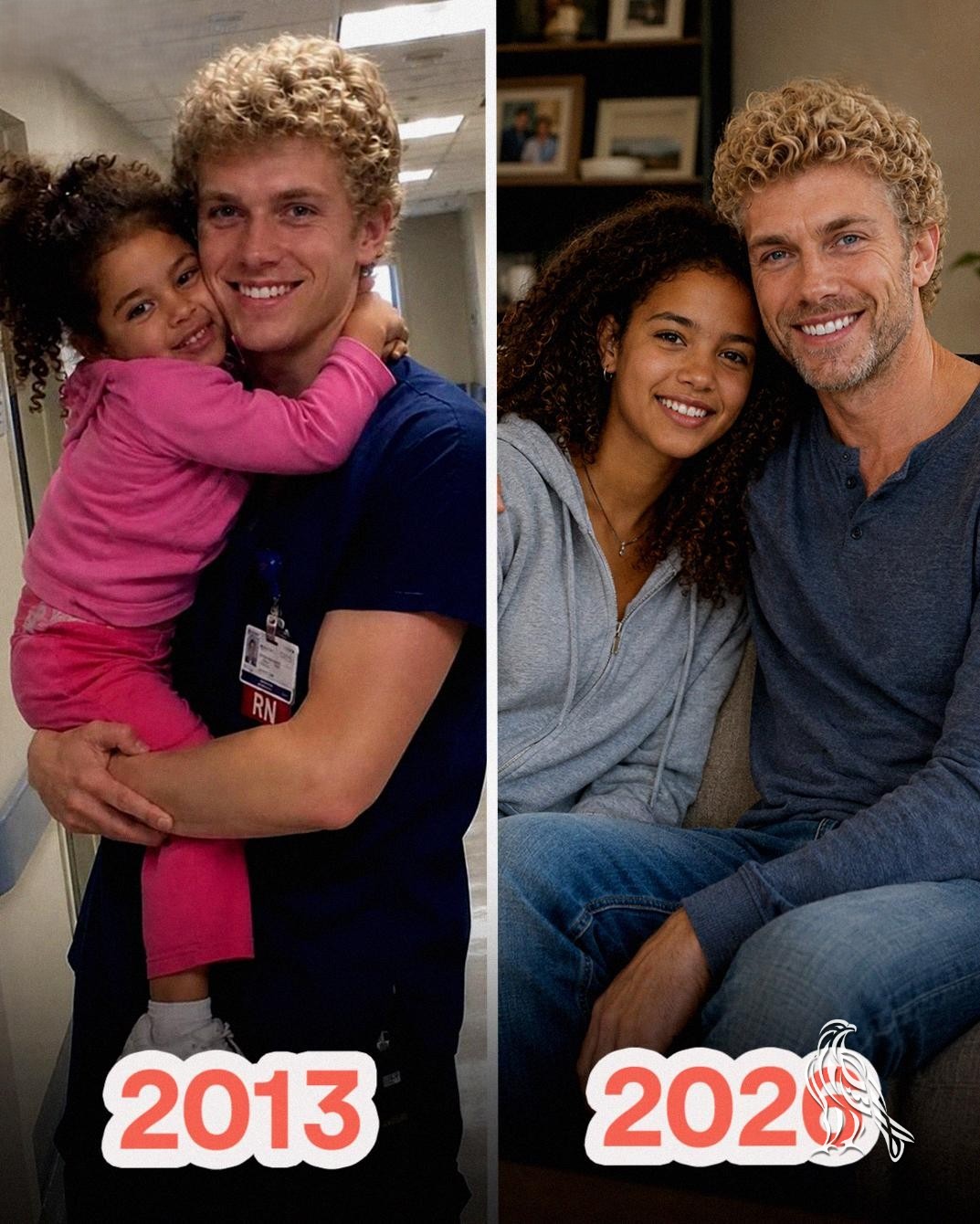
I met Avery when she was nine years old.
Her mother—my younger sister—died after a sudden illness, and her father had disappeared long before that. One week Avery was sleeping in a pediatric hospital chair gripping my hand hard enough to hurt, and the next she was standing inside my apartment carrying a trash bag full of clothes because neither of us knew how to process the fact that she suddenly lived with me now.
I still remember the first thing she asked that night.
“You’re not going to send me away too, right?”
No child should know enough about abandonment to ask a question like that.
From that moment on, something permanent formed between us. Not instantly. Not magically. Real families rarely work like that. We struggled. We learned each other slowly. She tested boundaries because frightened children always do. I learned how to braid hair badly, attend school meetings, survive science projects, and calm nightmares at three in the morning. Somewhere between packed lunches, emergency room visits, birthday cakes, and years of ordinary life, she stopped becoming my responsibility and simply became my daughter.
Not biologically.
But completely.
So when Marisa entered our lives years later, I thought carefully before introducing them. Avery was cautious around new people, especially women I dated. But Marisa seemed patient at first. Warm. She brought Avery books she thought she’d like. Asked about school. Remembered little details from conversations. For the first time in years, I allowed myself to imagine something bigger than survival. A real future. Stability. Maybe even happiness uncomplicated by loss.
That was why the ring existed at all.
Hidden carefully in my upstairs drawer, waiting for the right moment.
And that was exactly why Marisa chose it.
I realize that now.
Because the accusation wasn’t really about theft. Theft was just the weapon. The real target was trust. If she could convince me Avery stole from us—lied to us—betrayed us—then she could slowly separate me from the only person in my life whose place could never be negotiated.
Avery sensed it before I did.
One night I found her sitting silently on the stairs hugging her knees while Marisa “searched” her bedroom upstairs. The look on Avery’s face destroyed me—not anger, not outrage, but fear. Pure fear. Like she had already begun preparing herself emotionally for the possibility that I might stop choosing her.
“I didn’t take anything,” she whispered.
And suddenly I heard another voice layered beneath hers: the nine-year-old in the hospital asking not to be abandoned.
That was the moment something inside me shifted.
Because guilty people defend themselves differently. Avery looked devastated not by accusation itself, but by the possibility of losing safety. Losing home. Losing me.
The next morning, while Marisa was at work, I reviewed every second of the security footage myself instead of relying on the clips she selected. Hours of meaningless hallway shadows. Timestamp after timestamp. Then finally, around 1:13 a.m., the figure in the gray hoodie stepped briefly beneath enough light for me to notice something small but impossible to ignore.
The person was too short to be Avery.
And the way they moved felt wrong.
I replayed it over and over until my stomach turned cold.
Later, I searched the laundry room and found Avery’s missing hoodie stuffed beneath old blankets in a storage bin no one ever used. The sleeves were damp with fresh perfume—the exact perfume Marisa wore every day.
I confronted her that evening.
At first she denied everything calmly. Too calmly. Then came outrage, then tears, then attempts to redirect blame. But the story collapsed piece by piece once I mentioned police involvement and additional footage from outside cameras nearby. Eventually she admitted enough for the truth to become unavoidable.
She had staged the entire thing.
The missing cash.
The ring.
The planted hoodie.
Everything.
Her explanation barely sounded real spoken aloud. She insisted she felt threatened by Avery. Claimed I prioritized my daughter over our relationship. Said she worried there would “never be room” for her fully in our lives while Avery remained the center of mine.
And buried beneath all her excuses was one horrifying reality:
She believed destroying a child’s place in my life would solve that problem.
That night I watched Marisa pack her things while Avery stood frozen halfway down the staircase listening silently. The same stairs where days earlier she had sat terrified I might stop believing in her.
When the front door finally closed behind Marisa, the house became painfully quiet.
Avery still looked uncertain.
Careful.
Like she didn’t fully trust the ending yet.
So I walked upstairs, opened the office safe, and pulled out a folder I had never shown her before.
Inside were documents from the college fund I’d been building slowly for years.
Every overtime shift.
Every bonus.
Every sacrifice.
Page after page of quiet proof that I had always planned for her future long before she understood what those numbers even meant.
“I need you to understand something,” I told her.
My voice broke before I could finish.
“You were never temporary to me.”
She started crying almost instantly after that—the kind of crying children do when fear finally releases its grip all at once. Not dramatic. Not loud. Just years of hidden insecurity collapsing under relief.
People sometimes talk about family like it’s something guaranteed by blood.
But blood alone does not stay awake during fevers.
It does not sit through grief counseling.
It does not learn how to comfort a terrified child after nightmares.
It does not automatically choose loyalty when things become difficult.
Love does that.
Choice does that.
Consistency does that.
In the weeks afterward, there were uncomfortable police reports, awkward explanations at work, and long evenings rebuilding the sense of safety Marisa tried to fracture. Avery slowly returned to herself. Music playing from her room again. Sarcastic comments at dinner. Laughter drifting through the house like something returning after a storm.
And sometimes I still think about how close manipulation came to poisoning everything.
Not because Marisa was convincing.
But because trust, once targeted deliberately, becomes frighteningly fragile.
Still, one truth survived untouched through all of it:
Avery is not my charity case.
Not my obligation.
Not some tragic responsibility I carried out of guilt.
She is my daughter.
Not because we share blood, but because every important moment in her life—and mine—has been built from the same repeated decision:
I stayed.