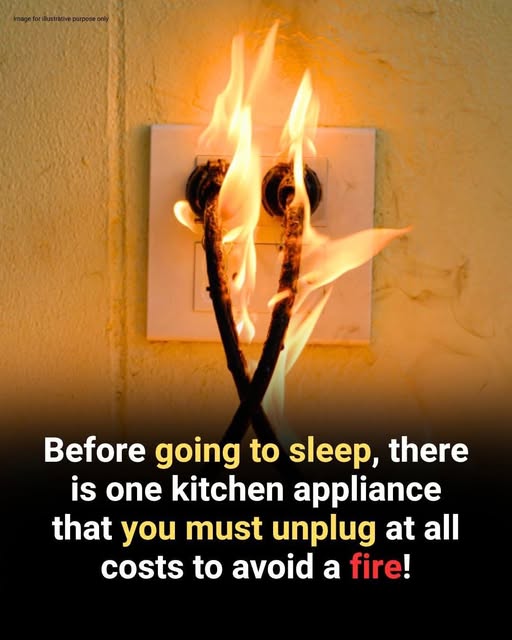
Unseen danger may be humming quietly through your home right now.
Behind walls, beneath desks, beside beds, and under kitchen counters, electricity keeps flowing long after people think devices are “off.” Tiny lights disappear, screens go dark, rooms fall silent—but many electronics never truly stop drawing power. Most families barely notice it happening because the danger doesn’t announce itself dramatically at first.
It builds quietly.
Every forgotten charger left in the wall.
Every overloaded power strip.
Every aging extension cord warming slightly beneath furniture.
Every device sitting in standby mode through the night.
Individually, they seem harmless. Together, over time, they create invisible strain most people never think about until something overheats, sparks, or fails unexpectedly.
That’s what makes electrical hazards inside homes so unsettling: normality hides them perfectly.
Most modern households are filled with electronics operating constantly in the background. Televisions, gaming systems, Wi-Fi routers, coffee makers, microwaves, smart speakers, phone chargers, printers, laptops, and appliances often continue pulling electricity even when they appear inactive. This “phantom power” may seem insignificant moment to moment, but across weeks, months, and years, the load quietly adds up.
And it’s not only about electricity bills.
Continuous electrical draw means wiring and outlets remain under stress day and night. In newer homes with updated systems, that load is usually manageable. But in older houses, crowded outlets, damaged cords, poorly ventilated electronics, or overloaded extension strips can create conditions where heat slowly accumulates unnoticed.
Heat is often where problems begin.
A charger trapped beneath blankets.
A power strip overloaded behind a couch.
A space heater plugged into an extension cord never designed for that level of current.
These situations may seem ordinary until the moment they are not.
Many electrical fires start silently, developing slowly behind furniture or inside walls before smoke is even visible. By the time people smell something burning, precious minutes may already be gone.
That reality is why small preventative habits matter far more than most people realize.
Unplugging devices when they are not needed sounds simple, almost insignificant. Yet over time, that tiny action reduces unnecessary electrical load, lowers overheating risks, protects devices from power surges, and even saves money gradually in the background.
Some devices deserve special attention because they create more heat or consume more power:
space heaters
hair straighteners and curling irons
toasters
air fryers
coffee machines
older gaming systems
chargers left plugged in continuously
These are not “dangerous” automatically, but forgetting them repeatedly increases risk over time—especially in homes with aging electrical systems.
Smart power strips can help simplify the process. Instead of unplugging multiple devices individually, one switch can safely shut down entire entertainment centers or office setups at once. It turns safety into habit rather than effort.
And habits are what truly protect homes.
The safest families are rarely the ones obsessing over disaster constantly. They are simply the ones building small routines before problems happen:
checking outlets,
replacing damaged cords,
unplugging unnecessary devices before bed,
avoiding overloaded adapters,
and turning electrical awareness into something automatic.
Those few seconds of attention matter more than people think.
Because danger inside homes rarely arrives dramatically at first. It grows through repetition. Through overlooked details. Through the assumption that “nothing bad has happened before, so it’s probably fine.”
Most of the time, it is fine.
Until one night it isn’t.
That’s the uncomfortable truth hidden inside modern convenience. The more devices surround us, the easier it becomes to forget electricity is not passive. It is constant energy moving invisibly through systems we trust every day without thinking.
Respecting that energy does not mean living in fear.
It means staying aware enough to reduce unnecessary risk before risk becomes emergency.
And perhaps that’s the deeper lesson here:
protection often looks quiet.
Not dramatic heroism.
Not panic.
Just ordinary people paying attention to small things consistently enough that catastrophe never gets the chance to arrive.