Leukemia doesn’t always arrive dramatically.
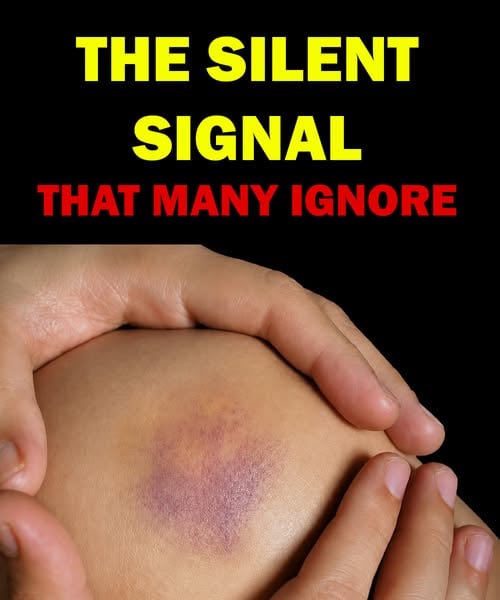
Sometimes it begins so quietly that people mistake its earliest signs for ordinary exhaustion, stress, or a stubborn seasonal illness. A little more fatigue than usual. Bruises that seem random. A cold that lingers longer than expected. Small symptoms easy to explain away during busy weeks and stressful routines.
That is part of what makes leukemia so frightening.
It often whispers before it screams.
Many people diagnosed with leukemia later describe the same unsettling realization: their bodies had been sending signals long before they understood what those signals meant. At first, nothing feels urgent enough to trigger panic. Life continues normally. Work still needs to be done. Families still need attention. Most people assume they are simply tired, overworked, run down, or fighting off a virus.
Then one doctor’s appointment changes everything.
Leukemia begins deep inside the bone marrow, the soft tissue responsible for producing blood cells. Under healthy conditions, the body constantly creates balanced amounts of red blood cells, white blood cells, and platelets. But leukemia disrupts that process quietly from within. Abnormal white blood cells begin multiplying uncontrollably, crowding out the healthy cells the body depends on to function properly.
As that hidden takeover progresses, the effects slowly spread throughout the body.
Red blood cells decrease, leading to exhaustion and weakness because oxygen is no longer carried efficiently. Platelets drop, making bruising and bleeding more common. Healthy immune cells become overwhelmed, leaving the body more vulnerable to infections that seem unusually persistent or difficult to recover from.
At first, these changes can look deceptively ordinary.
Someone feels exhausted despite sleeping enough.
Someone notices bruises they cannot explain.
Someone keeps getting sick repeatedly.
Individually, those symptoms rarely seem alarming. Together, however, they can become part of a much larger picture.
That is why leukemia is often difficult to recognize early without medical testing. The disease does not always announce itself dramatically in the beginning. It can blend into normal life so effectively that people continue pushing through symptoms for weeks or months before realizing something more serious may be happening.
Over time, though, the pattern often becomes impossible to ignore.
Persistent fatigue that does not improve with rest. Frequent infections or fevers. Night sweats severe enough to soak clothing or sheets. Unexplained weight loss. Tiny red spots on the skin. Bleeding gums. Nosebleeds. Bone pain. Swollen lymph nodes. These are not symptoms people should simply force themselves to “push through” indefinitely.
They are messages from the body asking for attention.
Importantly, leukemia is not contagious, and many people who develop it had no idea they were at risk beforehand. The disease can affect children, adults, and older individuals. Sometimes risk factors exist, but often diagnosis arrives unexpectedly, disrupting lives that seemed completely normal only weeks earlier.
That uncertainty can feel emotionally overwhelming.
But there is also an important truth many people need to hear:
A leukemia diagnosis today is not the same thing it was decades ago.
Modern medicine has transformed treatment possibilities dramatically. Depending on the specific type of leukemia, patients may now benefit from targeted therapies, advanced chemotherapy approaches, immunotherapy, stem cell transplants, and other treatments that continue improving survival rates and long-term outcomes. Many people go on to live full, meaningful, and healthy lives after diagnosis and treatment.
Early detection can make an enormous difference.
That is why paying attention to persistent or unusual symptoms matters so much. Most fatigue is not leukemia. Most bruises are harmless. Most lingering illnesses are not signs of cancer. But when symptoms feel abnormal, persistent, or progressively worse, listening to the body instead of dismissing it becomes incredibly important.
Fear often makes people avoid medical answers.
People delay appointments hoping symptoms will disappear on their own. They convince themselves they are overreacting. They stay busy enough to ignore what feels wrong. But health problems do not become less real simply because they are postponed emotionally.
Sometimes the bravest thing a person can do is investigate what they fear discovering.
Because leukemia, like many illnesses, becomes far more dangerous when silence and delay allow it to progress unnoticed.
The body speaks quietly before it breaks loudly.
The challenge is learning when to stop dismissing the whispers.
And sometimes, that decision to finally listen can save a life.