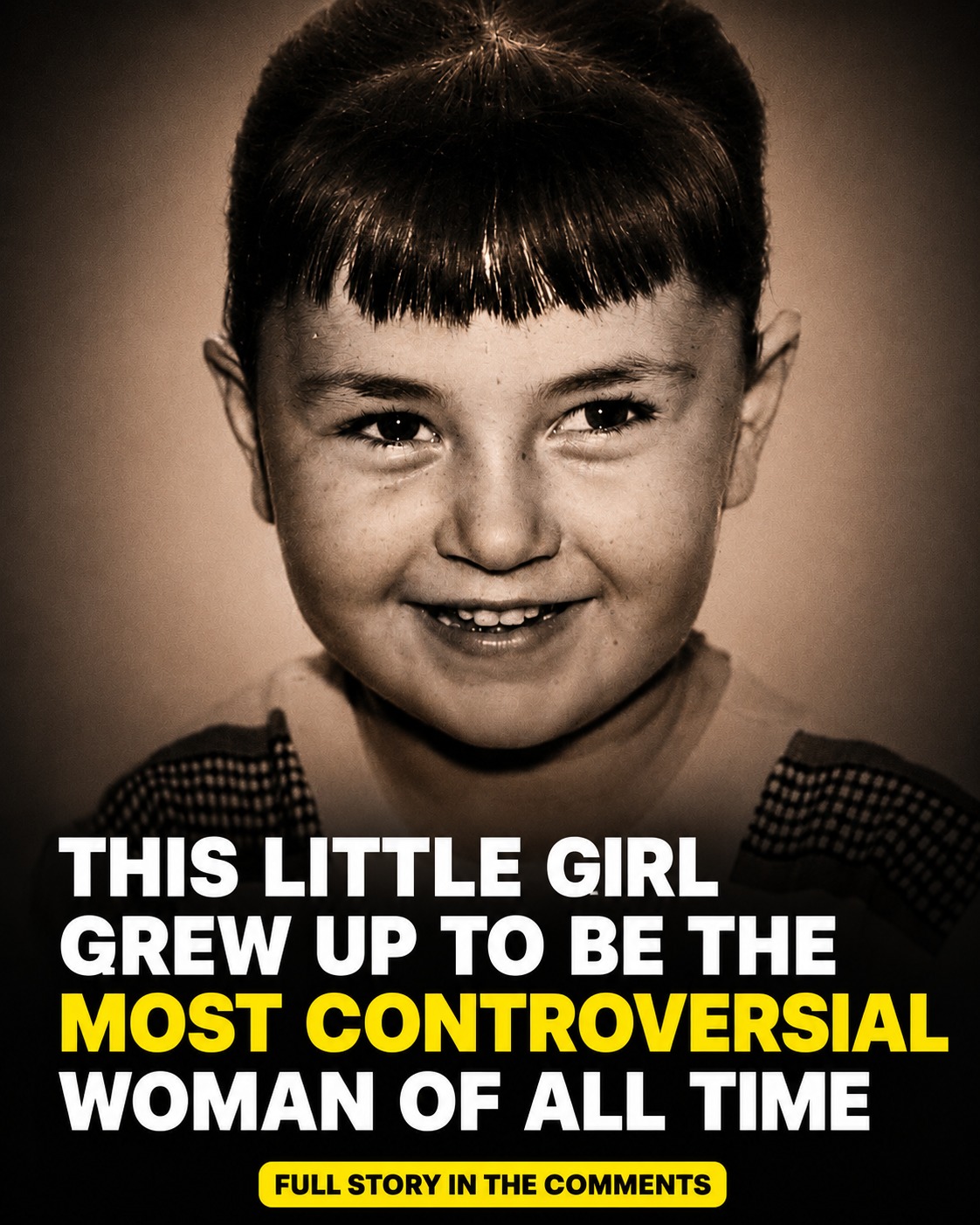
Her fall from grace was brutal. One moment, she was the blue-collar queen of American television, celebrated as the loud, fearless voice of working-class families across the country. The next, she was being erased in real time, watching decades of success collapse under the weight of her own controversies. Fans who had once defended her were stunned by how quickly everything unraveled, while critics argued the signs had been visible for years. Behind the laugh track and sharp one-liners, there had always been something darker simmering beneath the surface: unresolved trauma, explosive anger, an appetite for chaos, and a constant need to provoke. What began as rebellious honesty slowly transformed into self-destruction. This is how a sitcom legend burned nearly every bridge she had spent a lifetime building.
Long before she became one of the most polarizing figures in entertainment, Roseanne Barr was just a frightened and deeply troubled child growing up in Utah. She battled illness at a young age, struggled with feelings of isolation, and lived in a household marked by tension and instability. As a Jewish girl in a conservative environment, she often felt like an outsider, learning early how cruel people could be toward anyone who seemed different. A devastating car accident during her teenage years left both physical and emotional scars that would follow her for decades. The trauma reshaped her personality, feeding the insecurity and volatility that would later define so much of her public life.
Comedy became more than a dream—it became survival. Onstage, she discovered she could transform humiliation, resentment, and pain into something people laughed at. Her raw, confrontational humor felt authentic in a way television rarely allowed women to be at the time. She didn’t present herself as glamorous or polished. Instead, she embodied exhaustion, frustration, and the quiet fury of ordinary Americans trying to survive paycheck to paycheck. When her sitcom exploded in popularity, millions of viewers saw themselves reflected in her messy, chaotic honesty. For many working-class women especially, she felt revolutionary. She spoke the things others were afraid to say, and audiences rewarded her with enormous success and cultural influence.
But the same rebellious spirit that made her powerful also made her unpredictable. Fame amplified every impulse she already struggled to control. Over time, her public image became increasingly tied to outrage and controversy. Each scandal pushed the boundaries further than the last. There was the infamous national anthem performance that shocked audiences and instantly turned her into a target of ridicule. Then came years of bitter feuds, inflammatory accusations, offensive jokes, and increasingly erratic public behavior. Critics accused her of confusing provocation with honesty, while supporters insisted she was being punished for refusing to conform.
As the years passed, the line between her public persona and personal anger became harder to separate. Interviews often spiraled into hostility. Conspiracy theories and offensive remarks replaced the grounded, relatable humor that had once connected her to millions. Even people who admired her talent began wondering whether she was sabotaging herself intentionally. The chaos seemed almost addictive, as if controversy itself had become part of her identity. Every apology was followed by another explosion. Every comeback carried the seeds of another collapse.
Then social media entered the picture, giving her direct access to millions without filters, producers, or network executives standing in the way. What had once been controlled through television appearances and scripted comedy now unfolded instantly before the world. One tweet—reckless, offensive, and impossible to defend—destroyed the historic revival of the very show that had restored her career. The backlash was immediate and devastating. Within hours, the comeback she had fought so hard for was gone. Networks distanced themselves. Colleagues condemned her publicly. Even longtime fans struggled to defend what she had said.
What made the downfall so shocking was not just the speed of it, but the symbolism behind it. Roseanne had once represented struggling families who felt ignored by mainstream culture. The show’s success came from its humanity, humor, and emotional honesty. But by the end, the woman behind it seemed consumed by anger and resentment powerful enough to eclipse everything she had created. Her story became less about a comedian losing fame and more about someone losing control of the very voice that once made her beloved.
Today, Roseanne Barr remains one of the most complicated figures in entertainment history. To some, she is a cautionary tale about ego, fame, and self-destruction. To others, she is proof of how quickly modern culture turns against controversial figures. But regardless of where people stand, her rise and collapse reveal something unsettling about celebrity itself: the qualities that make someone unforgettable can also become the exact forces that destroy them.