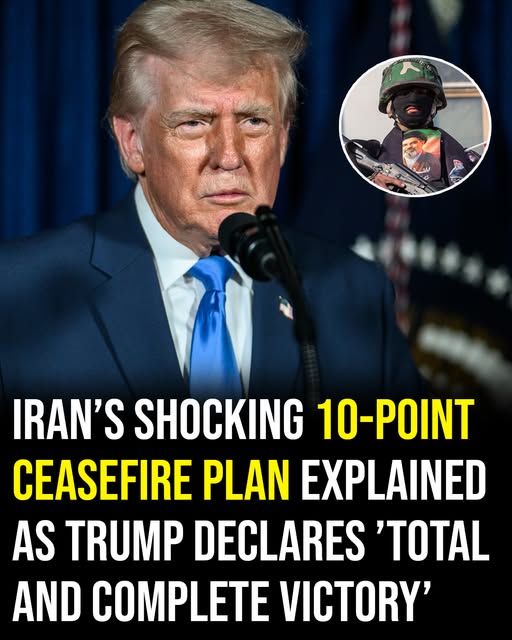
As the geopolitical machinery of two superpowers grinds to a stop—or a collision—the world has reached a state of suspended animation, a collective holding of breath. As of April 2026, the question hanging over every major city, from Washington to Tokyo, is whether we are seeing the start of a new era in which the United States has quietly given up its historic position on the international scene or if we are witnessing a masterclass in strategic brinkmanship. Over the course of the following two weeks, there is a thick, tangible tension in the international community as diplomatic engines race feverishly against an unstoppable ticking clock.
There is a strange, tense silence amid the turbulent seas of the Strait of Hormuz. Iranian naval patrols keep a close eye on massive tankers, which are vital to the world economy. American pilots, both male and female, who have been taught to take decisive action, are forced to stand down on carrier decks in the meanwhile. A sudden, startling change in the chain of command, an order from the highest echelons of government that has replaced the noise of jet engines with the quiet murmurs of the negotiation table, has forced their hands. This is the new reality of the 10-point proposal, a document that has transformed the battlefield into a high-stakes peace experiment.
The reality behind the heavy, closed doors of international diplomacy is often uglier and more desperate than the sanitized headlines portray. This is a disorganized coalition of unhappy power brokers rather than just a bilateral discussion. In the long shadows of the struggle, Pakistan, Egypt, Turkey, China, and even Israel have been pushing both sides toward a table they never anticipated sharing. A high-stakes game of enlightened self-interest is being played by each of these countries. They fear that this precarious halt may be turned back into a devastating theater of war by a single mistake, a poorly planned radar lock, or a renegade leader seeking notoriety. The smell of compromise, stale coffee, and the enduring, instinctive fear of betrayal permeate these conference rooms in Islamabad and elsewhere.
In an attempt to end decades of deeply ingrained animosity, the 10-point plan itself is a complicated tapestry of demands and compromises. The fundamental idea of the plan is a drastic reorganization of regional security, even though intelligence services continue to conceal the specifics. This action is being praised by supporters of the current administration as a demonstration of ultimate power. They contend that genuine leadership is found in the capacity to change course when the abyss is in sight rather than in the conceit of pride or the hollow echoes of “forever wars.” They believe that the president has demonstrated the guts to put human lives and world economic stability ahead of the appearances of a military impasse. They consider being able to stop the clock before midnight to be the pinnacle of statesmanship.
Critics, however, believe that the story is much darker and more sinister. They saw a leader who, at the most crucial point in contemporary history, blinked. These naysayers see the 10-point proposal as a ransom letter rather than a peace pact. They contend that Tehran will unavoidably take advantage of this tactical error to bolster its regional hegemony and bolster its nuclear aspirations by exchanging American credibility for a brief reprieve. The “hawks” believe that this wobbly, haphazard armistice is really a stay of execution for Western hegemony in the Middle East, a choice that will go down in history as the moment the superpower position was exchanged for a few calm weeks.
The gap of decades-old animosity continues to be a formidable barrier as negotiators in Islamabad try to transform this precarious framework into something approaching a lasting settlement. How do you close a divide created by fifty years of revolutionary rhetoric, proxy conflicts, and sanctions? Time and historical inertia are obstacles that the negotiators must overcome. Even though the 10-point proposal is only in draft form, the effects are already being seen in military headquarters and international markets.
The most obvious focal point of this problem is still the situation in the Strait. Every time a Western trade ship is shadowed by an Iranian warship, the world questions whether the peace will last. The argument between “strategic patience” and “national weakness” heats up each time an American drone stays grounded. In a gray area of “no-war, no-peace,” the pilots and sailors on the front lines wait for a signal that could never materialize or a strike that could alter everything.
This is a fundamental test of the global order of the twenty-first century, not just a diplomatic dispute. If the 10-point plan is successful, it may offer a model for using multilateral mediation to resolve other disputes that appear unsolvable. It would indicate a change from unilateralism to a more intricate, shared accountability for international security. However, if it doesn’t work, the subsequent “storm” will probably be even louder and more destructive than the one we barely avoided this month. If these negotiations fail, both parties would be left with little choice but to escalate because they had reached the end of their diplomatic options.
This is the last stage of the countdown. The public is nervous, the leaders are alone, and the power brokers are worn out. Whether this is the beginning of a new, stable regional order or just the eerie, weighty silence before a devastating lightning strike is the central question that will be addressed in the next fourteen days. The world keeps watching, staring at the flickering media displays and the shifting sands of the Middle East. The choices taken during the next 336 hours will have an impact on society for the next 50 years, marking a turning point in history. After the 10-point plan is completed, the world will never be the same, whether this be a triumph of peace or a tragedy of capitulation. The clock’s hand is shaking as the countdown to midnight begins.