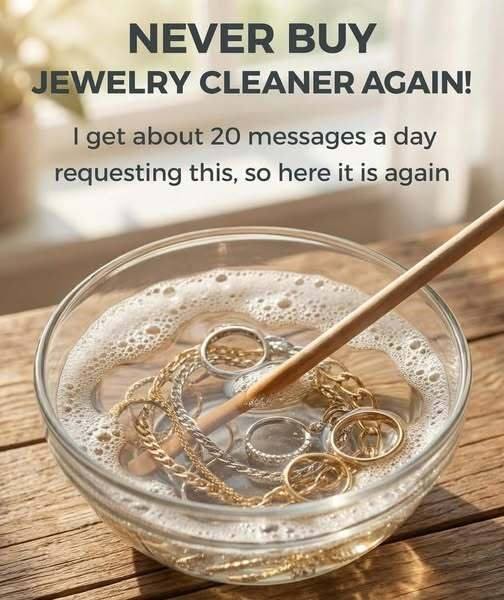
Everyone has experienced the frustration of opening a jewelry box and seeing a beloved gold-filled bracelet or a treasured silver necklace that appears lifeless, drab, and gloomy. The very things we wear to feel radiant—those pieces of German silver, brass, gold, and silver—become victims of the environment over time. Simple dampness, exposure to the air, and the invisible residue left behind by our daily activities all contribute to the unrelenting process of oxidation. The intrinsic brightness of the metal is finally stolen by the microscopic coating of filth that is added by each spritz of perfume, application of high-end lotion, and cloud of hairspray. Many people believe that their tarnished valuables have merely reached the end of their aesthetic life or that the damage is irreversible. They think that pricey commercial chemicals or an expensive trip to a skilled jeweler are necessary to restore that original, upscale brilliance. But the truth is incomparably more satisfying and much more practical. With a few items that are already in your kitchen pantry, you can restore your collection’s magnificent sheen.
It doesn’t have to be difficult or expensive to maintain an exquisite jewelry collection. A straightforward yet potent chemical reaction that resembles a magic show done on your countertop is the key to professional-caliber outcomes. Salt, baking soda, liquid dish soap, and regular aluminum foil can be used to build an effective cleaning station that takes care of the labor-intensive tasks. This technique is based on the principles of electrochemistry, in contrast to abrasive scrubbing, which can create small, microscopic scratches on soft metals and eventually wear down the surface. It is a mild, non-toxic method that removes the tarnish without making you pick between your beloved accessories’ structural integrity and cleanliness.
The science behind the shine must be examined in order to comprehend why this approach works so well. An electrolytic solution is produced when salt and baking soda are dissolved in boiling or extremely hot water. Ion exchange is a process that is facilitated by this solution. Aluminum foil functions as a “sacrificial” metal when it comes into direct physical contact with tarnished metal immersed in this liquid. The sulfur atoms separate from the jewelry and go to the foil as a result of the chemical reaction since aluminum has a greater affinity for sulfur, which is the element mostly responsible for that dark tarnish on silver. By dissolving the surface tension of oils and skin residues, the dish soap plays a supporting but essential role in enabling the electrolytic solution to penetrate every nook and cranny of the metal.
A few basic preparations are the first step in the procedure. First, get a small dish that can withstand heat; glass or ceramic work best. With the shiny side facing up, thoroughly cover the inside of the bowl with a sheet of regular aluminum foil. The best surface area for the reaction to occur is on the shiny side. Heat a little amount of water to a boil while you prepare the bowl. When the water is ready, pour it into the basin covered with foil, making sure your jewelry is fully submerged.
Next, mix the hot water with one tablespoon each of baking soda and salt. As the materials combine with the heat, you will immediately notice a fizzing sound that indicates the activation of the cleaning environment. Gently stir the mixture until the water turns clear and the granules are completely dissolved. Lastly, apply two or three drops of a typical dish soap that cuts fat. Now that you have a special bath ready for your tarnished goods, stir again to include the soap.
Drop your jewelry gently into the solution when you’re ready to start the restoration. Each piece’s metal must come into direct touch with the aluminum foil that lines the basin. The circuit needed for the electrochemical transfer to take place is completed by this contact. You will witness the science in action almost instantly. A slight sulfuric smell may even be detected in cases of heavy tarnish, and tiny bubbles will start to dance around the metal’s surface. This is a clear sign that the black oxidation is being removed from the jewelry and turned into a gas. The change can be almost instantaneous for items that have been lightly degraded; it frequently takes less than sixty seconds. A five to ten minute soak will enable the reaction to penetrate the metal’s deepest levels in pieces that have been neglected for years and have formed a thick, black layer of oxidation.
Even though this technique works wonders for brass, silver, and gold, it’s crucial to be somewhat selective about what you immerse. Solid metals work well in this hot electrolytic bath, but pieces with fragile or porous gemstones should be handled with special care. Pearls, opals, turquoise, and emeralds are among the materials that should never be exposed to boiling water or powerful cleaning solutions since they are sensitive to heat and chemical changes. In a similar vein, if the stones in your jewelry are kept in place by glue instead of conventional metal prongs, the hot water may weaken the glue and cause the stones to fall out. A gentler method using a very soft cloth and lukewarm water is always safer for these more delicate things.
When the soaking time is over and the metal seems bright again, carefully take the jewelry from the hot bath using a spoon or a pair of plastic tongs. To make sure that all traces of the salt and soda solution are removed, thoroughly rinse each item under cool running water. In fact, leaving residue left might speed up the formation of new tarnish. Use a fresh, lint-free microfiber cloth to pat the jewelry dry after rinsing. Finally, use a dry part of the towel to gently polish the metal. The mirror-like gloss that makes fine jewelry so alluring is restored in this last stage, which polishes the surface.
The outcomes of this do-it-yourself approach are frequently identical to those of expert services. You are doing more than just cleaning an accessory when you set up ten minutes in the afternoon to use these housekeeping essentials; you are safeguarding an investment and preserving a memory. Seeing a burnt, neglected ring turn back into a stunning work of art in front of your eyes is incredibly satisfying. This kitchen-counter trick serves as a reminder that, in a world where we are sometimes taught that “new” is the only way to acquire “bright,” what was once old may be made breathtakingly new again with a little science and a few cupboard essentials. It is no longer necessary for your jewelry to be hidden in the shadows of tarnish because it was meant to be seen and appreciated.