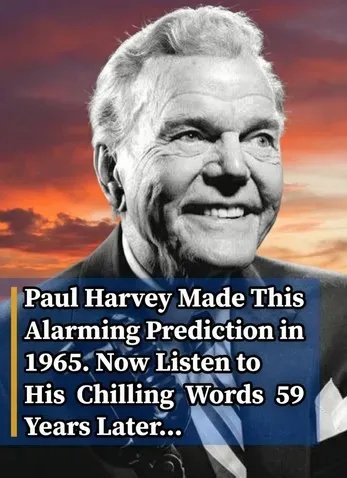
In a 1965 radio broadcast, a cool, collected voice broke through the evening chatter, subtly setting off a cultural time bomb that is still ticking away today. A well-known American pundit portrayed a deeply unsettling picture of the future during a time marked by postwar optimism and the emergence of the contemporary consumer economy. He depicted a civilization that was distorted and ultimately destroyed by a constant, nearly undetectable moral drift, the quest of total comfort, and unending diversion. His ominous forecasts seemed like the crazy exaggerations of a science fiction book at the time. Before going back to their comfortable lives, the audience listened, possibly experiencing a little twinge of uneasiness. Millions of others, however, assert decades later that he was providing an accurate historical account of the contemporary reality we live in rather than creating fiction. His insightful remarks about family structures, the impact of the media, and the quick decline of traditional values suddenly seem utterly prescient.
This 1965 speech did far more than just bemoan the passing of time or gripe about the younger generation, which is why it has endured with such astonishing relevance. The announcer aggressively urged his audience to become aware of the extraordinarily slow, nearly imperceptible rate at which a culture might lose its moral compass. He skillfully presented cultural deterioration as a sequence of minor, seemingly unimportant concessions rather than as an abrupt, catastrophic collapse brought on by conflict or disaster. At the time, each of these concessions was seen as totally innocuous and was justified by the person making them.
The lecturer went into depth about how society’s underpinnings take time to fall apart. Instead, when people prioritize job and personal leisure over connection, family ties gradually deteriorate. As reputable organizations gradually give in to the demands of business and popularity, their credibility erodes. Mindless, fast-paced entertainment that aims to numb rather than stimulate the mind gradually replaces critical thinking and meaningful introspection. These shifts don’t occur in a single, dramatic moment that makes headlines. Rather, they happen gradually across years of cultural drift, complacency, and passive distraction, leaving a society that, by the time it reaches the conclusion of its journey, hardly recognizes itself.
It is impossible to overlook the similarities in 2026 society. Even though we live in a time of unparalleled technological connectivity, we may be more alone than ever. Our media is made to pique our interest through indignation and never-ending scrolling, substituting fleeting digital contacts for in-depth human talks. The institutions that used to unite communities are often questioned or even disregarded. Personal comfort has evolved into the ultimate objective, frequently taking precedence over our responsibilities to the larger community or the planet’s future. The commentator’s description of a society that is famished for purpose yet drowning in distraction has come to pass.
The underlying message of the 1965 show was never one of complete despair or resignation, despite the obviously dire nature of his forecasts. The pundit did not imply that humanity was destined to perish or that the future was predetermined. Conversely, he fervently maintained that consciousness is a powerful kind of power. People can actively choose responsibility over slothful apathy, repair and develop their local communities, and start to examine what they consume by only realizing the drift.
According to this viewpoint, common people once again hold the authority. The essence of the commentator’s program raises an extremely uncomfortable question for any generation that hears it, regardless of whether one agrees with his particular moral framework or political ideology. It necessitates determining if we are actively influencing the culture around us or if we are merely passively giving in to the forces of the contemporary environment. His remarks’ timeless and eerie relevance implies that the solution is never really certain and is never someone else’s responsibility.
That 1965 broadcast’s legacy serves as a potent reminder that the little, routine decisions we make when no one else is around shape history. It challenges us to awaken from the cozy daze of contemporary living and consider our current course. The voice from the past continues to serve as a beacon of guidance as we negotiate the complexity of the present and face an uncertain future, reminding us of the importance of connection, accountability, and purposeful life.