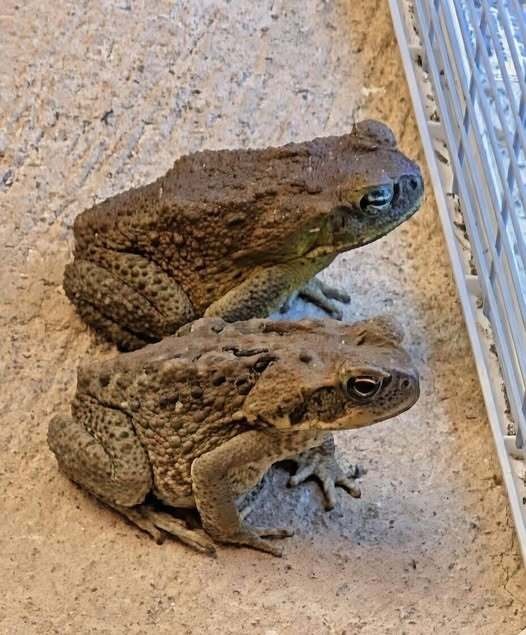
For the uninitiated, seeing a toad on your porch or hidden in a cool corner of your laundry room might be startling. You are going about your evening routine one moment, and then you see a set of golden, unblinking eyes looking back at you from the shadows. A mixture of surprise, possibly a hint of disgust, and a desperate search for a broom to drive the invader back outside are common responses to this situation. But before you give in to that urge, it’s important to remember that this little bumpy guest is much more than a wayward frog. The presence of toads in your personal haven is rarely a coincidence because they are animals with significant ecological significance and profound symbolic resonance.
Fundamentally, a toad enters a human home or a controlled garden area in search of three basic biological needs: food, shelter, and moisture. Toads have evolved to be more terrestrial than frogs, which often need to live in close proximity to open water, but they are still extremely vulnerable to dehydration. Their skin is still permeable even if it is thicker and more durable than that of their sleek cousins. A toad inside your house is frequently a traveler seeking shelter from the drying winds that precede a storm or the scorching heat of a summer afternoon. The moisture surrounding a potted plant, the chilly bathroom tiles, or the shady humidity of a crawlspace are examples of the damp microclimates we unintentionally generate that attract them. When you come across one, you are witnessing a survival expert who has recognized your house as a workable haven in a harsh setting.
These amphibians are skilled opportunists when it comes to the meal table, in addition to their quest for water. You are seeing a tactical genius at work if you have ever seen a toad hovering close to your porch light. A swirling banquet of moths, beetles, and flies is drawn to outdoor lighting, and the toad is more than content to bask in the glow and wait for its lightning-fast tongue to find meal. Toads serve as an organic, silent guardian for your house in this way. They are ravenous predators of the same pests that people spend millions of dollars using chemical sprays to attempt to get rid of. In a single night, a single toad can eat hundreds of insects, including disease-carrying mosquitoes and garden pests that eat your expensive flowers. Their existence is unmistakable evidence of a robust, thriving environment. If a toad can flourish in your yard, it indicates that there is a healthy food chain supporting life and that the soil is not contaminated by excessive contaminants. Toads are the “canaries in the coal mine” of the contemporary suburban environment; life exists wherever there are toads.
But the tale of the toad goes well beyond biology and pest management. Humans have seen something mysterious in these ground-dwelling critters for millennia. Due to their rapid transformation from delicate, water-bound tadpoles to tough, land-walking adults, they have come to represent growth and adaptability on a global scale. Many folklore traditions interpret seeing a toad on your path as a sign that a major personal transition is about to begin. The toad’s presence implies that you have the inner strength to manage the changes taking place in your own life, just as it did when it successfully transitioned from one world to another.
According to the ancient Feng Shui practice, the toad is a sign of prosperity and opportunity rather than a pest to be feared. A mainstay of Eastern iconography, the well-known “Money Toad” or “Three-Legged Toad” is thought to draw wealth and safeguard the household’s resources. Even though the toad in your kitchen may have four legs, its energy is essentially the same. These animals are regarded as gentle purifiers of stagnated energy in many civilizations. They are believed to “moop up” the heavy or negative vibrations that build up in the shadows since they favor the quiet, unnoticed areas of a house, allowing a fresher, more positive flow of life force to circulate throughout the living area.
The simple toad also offers a significant lesson in awareness. The toad is a creature of complete quiet and patience in a world that moves at a rapid, digital pace. Instead of frantically pursuing its objectives, it appropriately places itself, keeps quiet, and waits for the ideal opportunity to take action. It can be a soothing experience to watch a toad in your garden. It compels you to slow down, to look down at the ground instead of the horizon, and to recognize the minute aspects of a life near the ground. They have a stoic resilience in their posture and a calm majesty in their motions. They serve as a reminder that staying grounded has power and that calm, consistent perseverance can accomplish a lot.
It takes a change of viewpoint to accept a toad’s presence. It necessitates a shift from the notion of the home as a sterile space cut off from the outside world to an appreciation of the home as a component of a greater, interconnected web of existence. A toad entering your home is an invitation to show kindness to the natural world. It serves as a reminder that long before humans built our foundations, ancient lineages of survivors were roaming the planet. Try to envision a companion rather than an intruder.
If you come upon a toad indoors and want to move it, treat it with the consideration it deserves. Because the oils and salts on human skin might irritate their delicate membranes, lift it cautiously with a little container, making sure your hands are moist if you must contact it. Put it in a moist, shaded spot in your garden, maybe under a leafy shrub or next to a pile of rocks, so it can keep doing its essential job of regulating the local insect population. You are recognizing the important role this little guest plays in the ecological balance of your surroundings when you treat it with respect.
In the end, the toad in your house represents harmony. It symbolizes the union of profound symbolic rebirth and efficient pest control—the meeting point of the practical and the spiritual. Its existence is an invitation to pay attention, regardless of whether you see it as a spiritual messenger, a biological ally, or a lucky charm. It challenges you to take note of the little marvels that endure in the shadows and gaps of daily existence. It is evidence that nature is never really apart from us; it is constantly present, breathing softly in the corner and waiting for the ideal opportunity to remind us of the wonders of the natural world. So the next time you see a wanderer with bumpy skin on your doorstep, inhale, say a whispered “thank you,” and acknowledge that you are in the presence of a small, old guardian.