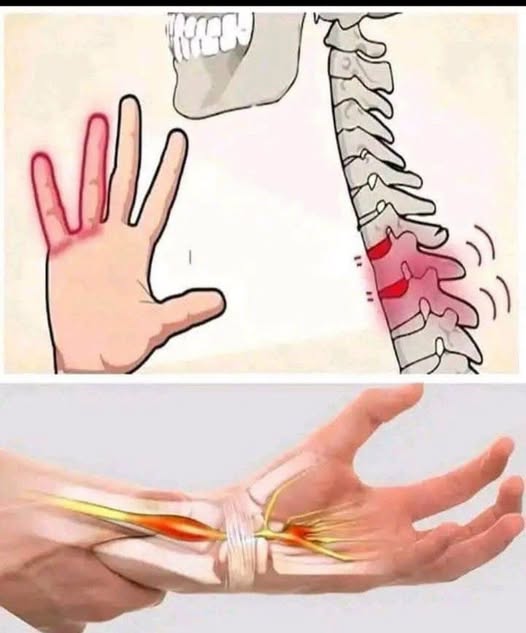
Nearly all people have experienced this feeling at least once during the calm hours of the night. A strange, phantom limb startles you out of a sound sleep. Your hand may vibrate with a frenzied, electric intensity that like a thousand tiny needles piercing your skin, or it may feel like a heavy, unresponsive weight at the end of your arm. Paresthesia is the medical term for this occurrence, which we refer to informally as a limb going to sleep. Although it frequently seems like a small, transient nuisance, the biochemical mechanisms underlying this feeling are a complicated interaction between vascular health and neural signals. The first step to preventing a transient prickle from developing into a long-term issue is to understand why your hands become dark in the middle of the night.
Paresthesia is fundamentally a failure in communication. Contrary to what many people think, your hand isn’t actually sleeping; rather, your brain’s ability to communicate with your extremities has been momentarily disrupted. Nerves are the high-speed cables that carry sensory information and motor commands throughout the human body, which is a massive network of biological wiring. You are effectively kinking the hose when you stay in a static posture for an extended period of time, such tucking your hand beneath a heavy pillow, sleeping with your arm draped over a headboard, or crossing your legs while watching a long movie. A bottleneck is created by this physical compression, which stops nerve impulses from moving freely. This silence is seen by your brain as numbness since it has been abruptly deprived of information from the hand. The chaotic, prickling feeling we know as pins and needles is produced by the frenetic rush of impulses returning to the brain when the pressure is eventually relieved.
Nerve compression is just one aspect of the physical problem, though. For your limbs to remain awake and attentive, circulation is equally important. Your blood vessels are your nerves’ life support systems; they carry the oxygen and vital nutrients needed for proper neuron firing. Not only does the nerve suffer when a limb is squeezed, but local blood flow is frequently also impeded. The nerve cells are left panting for oxygen due to this localized ischemia, which is a transient loss of blood supply. The distinctive dead weight sensation results from the neurons’ inability to sustain their electrical resting potential in the absence of a consistent fuel source. The tingling feeling frequently feels more strong just before the leg returns to normal because the quick surge of oxygen-rich blood causes the nerves to reboot as soon as you move and open the floodgates of circulation.
The majority of nighttime numbness is caused by bad sleeping posture, but persistent or frequent paresthesia may indicate more serious underlying medical issues that need to be treated. Carpal tunnel syndrome is one of the most frequent offenders. This disorder is brought on by compression or inflammation of the median nerve, which passes through a small opening in the wrist. Even little inflammation from repetitive motion or fluid retention can make the hands numb since the carpal tunnel is already a small place, especially at night when the wrists tend to bend or curl inward. Paresthesia may be an early indicator of diabetic neuropathy in people with diabetes. Long-term high blood sugar can chemically harm the sensitive nerve fibers, resulting in persistent numbness that starts in the hands and feet.
The neurological disorders that cause sensory abnormalities are even more important. One of the initial signs of multiple sclerosis, an inflammatory disease in which the body’s immune system targets the nerves’ protective covering, is frequently paresthesia. Similar to this, spinal conditions like spinal stenosis or ruptured discs can squeeze nerves at their source, causing phantom feelings that reach the fingertips. Your body is essentially raising a warning that goes much beyond a straightforward sleeping position when your hands fall asleep for no apparent reason or if the numbness is followed by weakness, lightheadedness, or a loss of coordination.
A proactive approach to daily ergonomics and sleep hygiene is necessary to avoid the nightly terror of numb hands. Changing your physical state on a regular basis is the best tactic. Being motionless for extended periods of time invites compression because the human body was meant to be mobile. If you sleep on your side, you might want to use a body pillow to keep your upper arm from falling over your chest and obstructing blood flow. The repetitive strain of typing at a computer can make your wrists more prone to inflammation. Before you ever lay down to rest, take regular breaks to stretch your wrists and forearms to reduce the pressure on your median nerve.
Additionally, the way your blood and nerves flow might be surprisingly affected by the clothes you wear. Tight-fitting pajamas, restrictive wristwatches, or even socks with elastic bands that are too snug can create micro-compressions that exacerbate paresthesia. The body can move freely during the night without snagging or binding against the limbs by choosing loose, breathable textiles. Additionally, maintaining good posture requires constant effort. Cervical spine compression, which appears as tingling in the hands when you finally lie down to sleep, can be caused by slouching at a desk or straining your neck over a smartphone during the day. Maintaining a neutral spine and using ergonomic pillows can ensure that the nerve pathways remain open from the neck all the way to the fingertips.
In the vast majority of cases, waking up with a numb hand is a harmless reminder of our physical limitations. It is a sign that the body’s internal failsafes are working, prompting you to move and restore the vital flow of information and blood. However, the thin line between a temporary nuisance and a chronic condition is defined by frequency and duration. If you find yourself shaking your hands awake every single night, or if the tingling persists long after you’ve left the bed, it is a clear signal to consult a healthcare professional. We often take our sense of touch for granted, but it is a delicate gift sustained by a high-stakes internal delivery system. By paying attention to the quiet warnings of paresthesia and making small, intentional changes to our environment and habits, we can protect our neurological health and ensure that our nights remain a time of true rest rather than a struggle with the phantom silence of our own limbs.