The silence that followed twenty-five years of companionship was not just an absence of sound; it was a heavy, suffocating presence that filled every corner of Janet’s life. After the sudden death of her husband Thomas from cardiac arrest, the world they had built together collapsed into something unrecognizable. For twenty-five years they had shared a home filled with laughter, quiet mornings, and a deep love for nature. Now, only two months after the funeral, that same home felt like a hollow reminder of everything she had lost. Janet moved through it like a shadow, her eyes constantly landing on unfinished projects and Thomas’s empty chair, each detail reopening the wound of his absence.
Her sons, Eric and Brad, watched their mother sink deeper into grief with growing concern. At twenty years old, they were struggling with their own loss, but seeing Janet slowly disappear into sorrow was even harder. They realized that as long as she remained surrounded by memories inside the house, she would struggle to heal. Eventually, they decided she needed to leave—not just for a change of scenery, but to create space for something they were quietly planning.
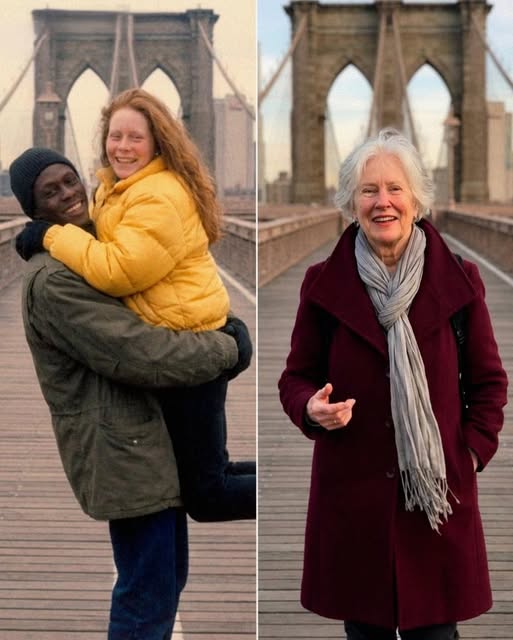
The idea took shape one afternoon when Janet, while looking through an old photo album, stopped on a picture of a rustic bridge. Through tears, she explained that it was the place where she and Thomas had truly fallen in love. It was where they spent peaceful hours together, where he proposed, and where she felt closest to him even now. Seeing how deeply it still meant to her, the brothers encouraged her to travel there alone, hoping it would give her a sense of closure. Reluctantly, Janet agreed. Two days later, she left for the trip, leaving the house in her sons’ care.
The moment she was gone, Eric and Brad began working. They had taken time off, knowing they only had a short window. Their father had started several home renovations before his death, but none were finished. The kitchen was incomplete, the walls unpainted, and the living spaces felt worn and neglected. For seven days, the brothers worked tirelessly from morning until night. They repaired, rebuilt, painted, and restored every space, not just as construction work, but as a way of completing what their father had begun.
While Janet walked across the bridge thousands of miles away, feeling a quiet connection to Thomas in the wind and memories around her, her sons were back home turning grief into action. Every improvement they made felt like a continuation of their father’s presence. The house slowly transformed from unfinished and stagnant into something warm, complete, and alive.
When Janet returned, she was lighter in spirit from her journey, speaking softly about the peace she had found and the sense that Thomas had been with her in spirit. But as they drove home, she noticed something different. The house she remembered was gone. In its place stood a beautifully restored home, fresh and welcoming. Shocked, she asked her sons how it was possible. They simply told her they had finished what their father had started.
Inside, the transformation continued to unfold. The kitchen gleamed, the living room felt warm and inviting, and every detail reflected care and intention. But the final moment came when they led her into her bedroom, blindfolded her, and revealed a wall covered in photographs. It was a carefully arranged timeline of their life together—wedding photos, childhood memories, family moments, and joyful snapshots of Thomas.
Seeing it all at once broke something open inside her. Janet cried deeply, but this time the grief was different. It was not only loss—it was gratitude, love, and recognition of everything that still remained. For the first time since Thomas’s death, she felt grounded rather than lost.
That night, the house no longer felt like a place frozen in time. It felt alive again. The warmth of the restored rooms, the presence of her sons, and the memories now honored rather than avoided created a sense of peace she thought she had lost forever. Eric and Brad had not erased their father’s absence—they had transformed it into something that could be carried forward.