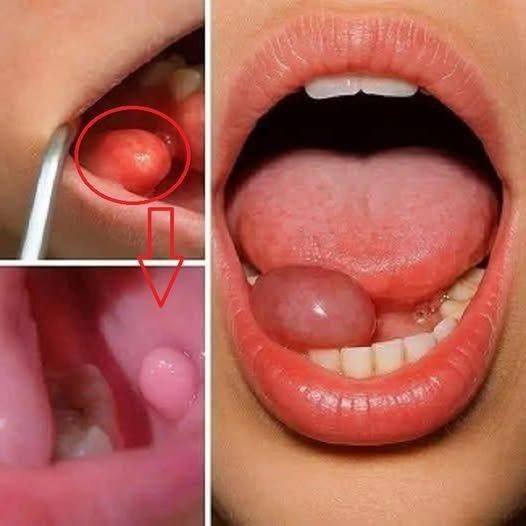
In the structure of the human body, the mouth plays a vital role as the entry point for food, speech, and expression. Despite being used constantly throughout the day, most people do not pay close attention to changes inside it in the same way they would for other parts of the body. This lack of awareness is one of the reasons oral cancer, also known as mouth cancer, can develop quietly and without early detection. It can affect different areas such as the tongue, gums, lips, cheeks, and the roof or floor of the mouth. Because these tissues are always moving and changing, early warning signs are often overlooked or mistaken for minor problems.
Health organizations like the American Cancer Society emphasize that catching oral cancer early greatly increases the chance of successful treatment. In its early stages, it is much easier to treat and less invasive. The problem is that the first symptoms often resemble common issues like mouth ulcers, irritation, or minor infections. Because of this similarity, people may delay seeking medical advice, allowing the condition to progress unnoticed.
One of the most common early signs is a sore in the mouth that does not heal. Normally, small cuts or ulcers heal within one to two weeks. However, if a sore lasts longer than two weeks, it should be checked by a medical professional. These sores are often painless at the beginning, which makes them even easier to ignore.
Another important warning sign is a change in the color or texture of the mouth tissue. White patches, known as leukoplakia, or red patches, known as erythroplakia, can appear inside the mouth. While not all of these changes are cancerous, some can develop into something more serious over time. Any unusual thickening or rough area should be examined carefully.
There are also other symptoms that may not be immediately visible. These include unexplained bleeding, lumps inside the mouth or neck, numbness in certain areas, or persistent pain in the jaw or ears. As the condition develops, it can begin to affect basic functions like chewing, swallowing, and speaking. In some cases, people may also notice bad breath that does not improve even with good oral hygiene.
Several risk factors increase the chance of developing oral cancer. Tobacco use is the most significant, whether smoked or chewed. Alcohol consumption also increases the risk, especially when combined with tobacco. In recent years, the HPV virus has also been linked to oral cancer, particularly in younger individuals who do not smoke or drink heavily.
Other contributing factors include poor diet, weakened immune system, and prolonged exposure to sunlight on the lips. Although the disease is more common in people over forty, it can affect younger individuals as well due to changing risk patterns.
Dentists play a key role in early detection. During routine checkups, they examine the soft tissues of the mouth and look for any unusual signs. Regular dental visits are one of the most effective ways to identify problems early before they become serious.
In conclusion, oral cancer is a condition that can often be treated successfully if it is detected early. Paying attention to small changes in the mouth, maintaining regular dental checkups, and avoiding major risk factors can make a significant difference. Awareness and early action are the strongest tools in preventing serious outcomes.