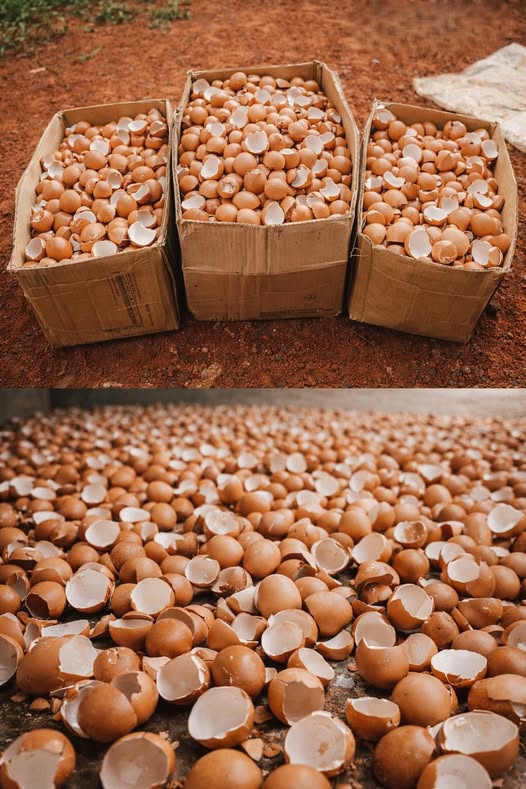
In most kitchens, eggs are considered one of the most useful and common ingredients. We rely on them for breakfast, baking, and quick meals because they are simple, nutritious, and versatile. However, what usually ends up in the trash—the eggshell—is often ignored as useless waste. For years, people have thrown it away without a second thought, unaware that it actually holds surprising value. With the growing interest in sustainable living and eco-friendly habits, gardeners and environmental enthusiasts have started rediscovering the hidden potential of eggshells. Instead of being garbage, they can become a natural resource that supports soil health, plant growth, and even local wildlife.
One of the most practical uses of crushed eggshells is as a natural barrier against garden pests. Slugs, snails, and other soft-bodied insects can quickly destroy plants, and chemical pesticides are not always desirable because they may harm beneficial organisms. When eggshells are broken into sharp fragments and placed around plants, they create a rough surface that these pests avoid. The texture alone is often enough to discourage them from reaching the plants, making eggshells a simple and chemical-free protective method.
Eggshells can also help deter larger animals in certain gardening environments. In areas where deer are common, gardens are often at risk of being eaten overnight. Interestingly, deer tend to avoid areas where they detect strong or unfamiliar scents, and eggshells can contribute to that disruption when spread around garden boundaries. While not a guaranteed solution on their own, they can act as part of a broader natural strategy to make a garden less appealing to wildlife intruders.
At the same time, eggshells can attract helpful creatures. Birds, for example, benefit from the calcium found in crushed, cleaned shells. Female birds especially need extra calcium during egg production. When gardeners provide small amounts of sterilized eggshells in feeding areas, it can support local bird populations and encourage them to visit more often. This creates a healthier and more balanced backyard ecosystem.
Beyond their surface uses, eggshells play an important role in improving soil quality. They are made primarily of calcium carbonate, which slowly breaks down in the ground and enriches the soil with essential minerals. Over time, this contributes to stronger plant structure, healthier root systems, and improved resistance to environmental stress. Instead of being a quick fertilizer, eggshells work gradually, improving soil conditions season after season.
They are especially useful for vegetable gardeners growing crops like tomatoes, peppers, and eggplants. These plants can suffer from calcium deficiency, which leads to issues such as blossom-end rot, where the fruit becomes damaged and unusable. Adding crushed eggshells to the soil helps supply calcium over time, reducing the risk of this problem and supporting healthier harvests.
Eggshells also help balance soil acidity. Some soils naturally become too acidic for plants to thrive, limiting growth and nutrient absorption. Because eggshells are alkaline, they can slowly neutralize excess acidity and contribute to a more balanced growing environment. This makes them a natural alternative to chemical soil treatments, especially for gardeners looking for organic solutions.
Finally, eggshells are extremely valuable in composting. When added to compost piles, they help improve structure by creating air pockets and adding minerals that enrich the final compost product. Over time, they break down and become part of nutrient-rich soil that can be reused in gardens. This completes a natural recycling cycle, where kitchen waste is transformed into something that actively supports plant life.
In the end, eggshells are far more than kitchen waste. They are a simple but powerful resource that can improve gardens in multiple ways. By rethinking how we treat something so ordinary, we can reduce waste, support the environment, and create healthier outdoor spaces using something we used to throw away without a second thought.